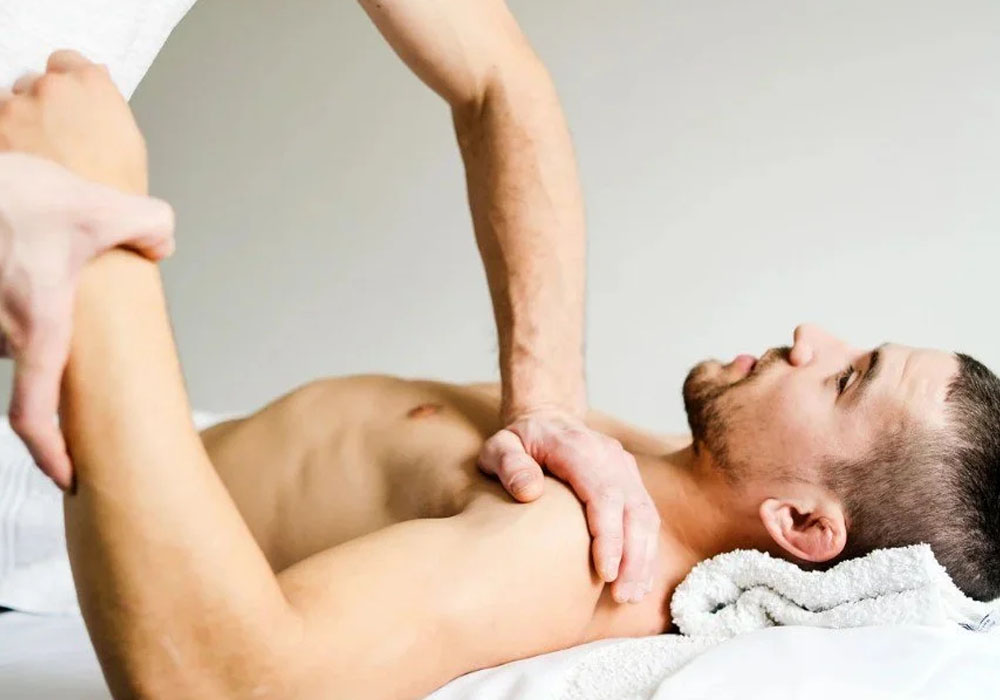
How well you recover after a workout influences your performance and readiness for the next training session. A massage supports the recovery process by addressing muscle tension and restoring normal movement after exercise. Following a session, you may notice reduced muscle tightness, improved joint mobility, and greater ease of movement. Here are some potential benefits of massage for post-exercise muscle recovery:
Reduce Muscle Soreness
Intense or unfamiliar exercise can lead to muscle soreness that develops 24 to 72 hours after activity, a response known as Delayed Onset Muscle Soreness (DOMS). A massage helps reduce the perception of soreness and muscle stiffness during this recovery period. By applying controlled pressure to affected muscles, massage temporarily decreases tension and improves comfort.
Persistent soreness makes movement less comfortable and may affect training frequency. Massage helps relax tight muscles and promotes a greater range of motion after exercise. As muscle tension decreases, returning to normal movement feels easier.
Improved comfort during recovery helps support everyday activities and subsequent workouts. Reduced stiffness makes it easier to move, stretch, and exercise while your muscles recover. Although massage does not eliminate recovery time, it can be a useful part of an overall recovery routine.
Improve Blood Flow
Blood carries oxygen and nutrients throughout the body, including to muscles after exercise. Circulation plays a key role in normal recovery by delivering these resources to working tissues and transporting waste products away. Massages are used after exercise to help reduce muscle tension and support comfort during the recovery period. Here is more information about the role of circulation in post-exercise recovery:
- Supports oxygen delivery: Blood carries oxygen to muscles throughout the recovery period.
- Supports nutrient transport: Circulation moves nutrients used in normal muscle function and maintenance.
- Removes metabolic byproducts: Blood flow helps transport waste products away from working tissues.
- Supports normal recovery processes: Blood delivers the resources muscles use as the body recovers from physical activity.
Increase Mobility
Intense exercise often leaves muscles feeling tight, which can temporarily restrict joint movement and reduce range of motion. Massage helps reduce muscle tension, making movement feel more comfortable during recovery. As muscle tightness decreases, flexibility and joint mobility may return to pre-exercise levels more quickly. Improved range of motion also supports efficient movement during subsequent training sessions. Booking a skilled massage Charlottesville recovery session accelerates this process by targeting deep tissue restrictions directly.
Relieve Muscle Tension
Exercise causes muscles to contract repeatedly, which leaves them feeling tight or tense afterward. Massage helps reduce muscle tension by applying pressure to soft tissues and encouraging relaxation in the treated areas. As muscle tightness decreases, movement often feels more comfortable during recovery.
Reducing muscle tension is one way massage supports post-exercise recovery. Relaxed muscles may feel less stiff and more comfortable at rest, which makes it easier to resume normal activities and return to training. The effects vary between individuals and depend on factors such as exercise intensity, recovery habits, and overall training load.
Support Recovery
Recovery is the period when the body adapts to exercise stress and restores normal function. During this time, muscle tissue undergoes repair processes as part of the response to training load. Massage is sometimes used during recovery to help reduce muscle tension and improve comfort. Adequate recovery helps muscles function normally in subsequent workouts. Well-recovered tissue tolerates training stress more effectively than fatigued tissue. Consistent recovery practices support a stable training routine over time.
Add Massage to Your Recovery Routine
Massage is often used after exercise to reduce the sensation of muscle soreness and to relax tight areas. It also involves pressure and movement applied to soft tissue, which supports short-term circulation in the treated area. Visit the spa today to explore how massage can fit into your recovery routine.