Finding cancer early can make a big difference in treatment. When doctors spot warning signs before the disease spreads, patients may have more care options. New technology is helping medical teams find changes that were once hard to see.
From clearer scans to smarter blood tests, these tools are changing how doctors look for cancer. Some are already used in hospitals, while others are still being tested. Understanding these advances can help patients make informed choices about their health.
Continue reading to discover everything you need to know!
How Are Modern Scans Helping Doctors?
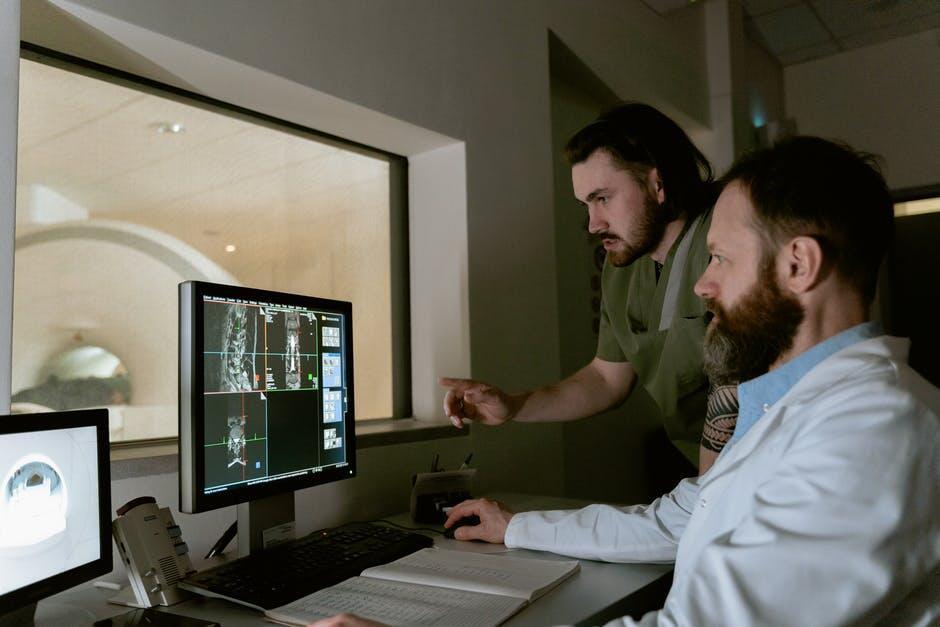
Medical scans allow doctors to look inside the body without surgery. Tools such as CT scans, MRI machines, and ultrasound can show changes in organs and tissues. These images help doctors decide whether more tests are needed.
Newer machines can produce clearer pictures of small or hard-to-see areas. Better image quality may help doctors notice unusual growths sooner. It can also help them compare changes between visits.
However, a scan cannot always tell whether a growth is cancer. Some harmless conditions look similar on medical images. Doctors often need more tests before making a diagnosis.
Can Artificial Intelligence Help Find Cancer?
Artificial intelligence, or AI, can help doctors review medical images. Some programs are trained to spot patterns that may be hard to notice. They can highlight areas that need a closer look.
AI tools may help with breast scans, lung images, and other types of testing. They can also help medical teams handle large numbers of images. This may save time during the review process.
However, AI can make mistakes or flag harmless changes. A trained doctor must still check the results. These tools are meant to support medical decisions, not replace professional care.
What Can Blood Tests Reveal About Cancer?
Blood tests are becoming an important area of cancer research. Some newer tests look for tiny pieces of genetic material released by cancer cells. These pieces may enter the blood before certain symptoms appear.
This approach is sometimes called a liquid biopsy. Researchers are studying whether these tests can help find cancer earlier or track the disease during treatment. Some are already used for specific medical purposes.
Still, a blood test cannot reliably find every type of cancer. A positive result may need scans or a tissue biopsy to confirm the cause. Many early detection blood tests are not yet proven for routine screening.
How Is Genetic Testing Changing Cancer Care?
Genes carry instructions that help our bodies grow and function. Certain inherited gene changes can raise the risk of developing cancer. Genetic testing can help some people learn about these risks.
Doctors may recommend testing when a person has a strong family history of certain cancers. The results can help guide choices about screening and prevention. They may also show when closer medical follow-up is useful.
Genetic testing does not predict exactly who will develop cancer. Many people with higher risk never develop the disease. A genetic counselor can help explain what the results mean.
How Do Clinical Trials Support New Discoveries?
Clinical trials help researchers test new medical treatments and methods. These studies follow strict rules to check safety and learn how different approaches work. Some trials also explore new ways to detect cancer.
Research into early phase oncology trials often focuses on the safety and dosage of new cancer treatments. These studies are different from routine cancer screening. They usually involve patients with diagnosed cancer rather than healthy people seeking early detection.
Before joining any trial, patients should understand its purpose, possible risks, and requirements. A medical team can explain whether a study may be suitable. Research takes time, but it can help improve future cancer care.
Why Are Better Screening Tools Important?
Screening means checking for cancer before symptoms appear. These tests can help find certain cancers at an earlier stage. They may also find changes that could become cancer later.
Common screening methods include:
- Mammograms for breast cancer
- Colonoscopy for bowel cancer
- Cervical screening tests
- Low-dose lung CT scans
- Stool-based screening tests
Not every test is suitable for every person. Age, medical history, and risk factors help doctors decide which screenings to recommend. Some tests can also produce false alarms or lead to further procedures.
How Are Doctors Improving Tissue Testing?
A tissue biopsy involves taking a small sample from a suspicious area. Doctors study the sample to check for cancer cells. This remains an important way to confirm many cancer diagnoses.
Modern laboratory tools can examine tissue in greater detail. Digital slides allow specialists to view samples on computers and share them with other experts. Some tools can also help identify changes in cancer cells.
These advances may improve how doctors classify a tumor and plan treatment. However, results still need careful review by trained specialists. Good testing depends on both reliable equipment and medical skill.
Can Wearable Devices Detect Early Warning Signs?
Smartwatches and other wearable devices can track parts of daily health. Some measure heart rate, sleep, movement, and activity levels. These details may help people notice changes in their usual routine.
Researchers are exploring whether wearable data can support cancer care and health monitoring. For now, these devices cannot reliably diagnose cancer. Unusual readings may also have many harmless causes.
If you notice lasting changes in your health, speak with a doctor. A wearable device should never replace screening or medical tests. Its main value is helping you stay aware of general health patterns.
What Challenges Still Need to Be Solved?
New detection tools offer hope, but they also bring challenges. Some tests are costly or difficult to access. Others need more testing before doctors can use them widely.
Finding a possible cancer signal is only the first step. Doctors must also know where the cancer may be and whether treatment is needed. Some slow-growing cancers might never cause harm during a person’s lifetime.
Researchers must work to reduce false results and unnecessary procedures. New technology should help patients without creating avoidable risks. Clear information and careful medical advice remain essential.
A Healthier Future Starts With Early Action
Technology is giving doctors new ways to look for cancer and understand unusual changes. Better scans, blood tests, and laboratory tools may improve early detection.
However, regular screening and professional medical advice remain important. Speak with your doctor about tests that match your age and health risks.
Want to learn more about medical advances and staying healthy? Explore our other blog posts for simple guides and helpful wellness tips!