A fractured tooth or a noticeable break doesn’t inherently require porcelain veneers, implants, or orthodontia. In a lot of cases where the problem is cosmetic – minor fractures, for example, wear and tear over the years, a small gap between teeth – composite bonding can fix it. All in one visit, with no need to alter the sound tooth structure that lies underneath. The material just lends itself to this kind of application.
Why “non-invasive” actually means something here
The main issue many people take with porcelain veneers is what must occur in advance of receiving them. Specifically, a dentist needs to remove healthy outer enamel from the tooth’s surface in order to make room for the veneer. It’s the only way to ensure the veneer can sit naturally. And that’s a problem, obviously, because enamel doesn’t regrow. It’s a permanent reduction.
Composite bonding doesn’t come with the same downside because it’s an additive process rather than a subtractive one. The resin isn’t used to replace any of your tooth; it’s just there to build on top of it. The process begins with a fine scouring of the tooth’s surface, courtesy of a mildly acidic etching solution. This is what gives your enamel a little bit of texture to grip on to. Next, the dentist paints a bonding agent onto the tooth; it’s what helps the resin stay put. Then, the resin is layered on and adhered to your tooth with a specialized light that cures it in seconds. Voila. No need to tear anything down just to build it back up.
Closing gaps without orthodontics
A diastema – the gap between two teeth, usually the upper front teeth – is one of the most common reasons people look into cosmetic dentistry. Orthodontic treatment can close it, but that means months or years of treatment, depending on the case.
For gaps that are purely cosmetic and not causing any bite issues, dental composite bonding for teeth offers a faster and more affordable route. The dentist adds material to the sides of each adjacent tooth, effectively narrowing the space from both edges until it closes. There’s no drilling involved, and most cases are done in under an hour.
The approach is sometimes called “additive” dentistry – you’re building the smile out rather than cutting it down. Shade matching means the resin is selected to blend with the surrounding natural enamel, so the result looks like the teeth were always that way.
The single-visit reality
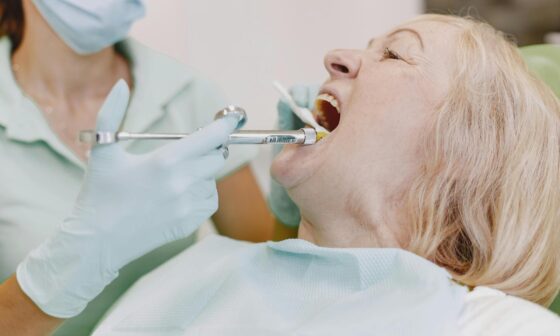
Dental bonding is so popular because it doesn’t require anesthesia for the vast majority of cases, with little to sometimes no enamel reduction and sometimes no injections. That’s not a small thing for anyone with dental anxiety.
Most chip repairs and gap closures are completed in one visit. There’s no lab involved, no temporaries to wear while you wait, and no second appointment to fit a finished piece. The resin is shaped, polished with finishing discs, and left looking like natural enamel – all in the same hour.
Compare that to the timeline for crowns or porcelain veneers: impressions taken at one appointment, a wait of one to three weeks while a lab fabricates the restoration, then a second visit for fitting and cementing. Bonding skips all of it.
How long it lasts and what affects that
Composite resin is not as durable as porcelain. The payoff is that it’s easier to put on and take off. A well-done bonding restoration will generally stay looking perfect for five to seven years before requiring a polish and occasional replacement – but of course, that’s highly individualized based on the patient.
Staining agents like coffee, red wine, and tobacco will affect the resin before they affect natural enamel, so if you’re a regular consumer you’ll see discolouration sooner. Avoiding them, or rinsing right after, will help a lot.
Bruxism is the bigger danger. People who grind their teeth put repetitive lateral stress on incisal edges, which are also where most chips present and where bonding repairs exist. A custom nightguard will increase the life of bonding work markedly, and any dentist who does this kind of treatment should be checking for grinding before they begin.
Chewing directly into tough items – crusty bread, ice, fingernails – can also induce a fracture of the edge rather similar in size and form to the original chip. None of that disqualifies bonding as an option, but you should be aware that maintenance will not be zero.
Getting the cost question right
Composite bonding costs way less than porcelain veneers or crowns. The difference is vast, not slight. For people on a tight budget, bonding is often the only cosmetic choice that is budget-friendly without financing.
Yes, the resin may not outlast a veneer. But it’s not uncommon for it to last a decade. And even if you end up getting bonding twice over the same span, it’ll still probably cost you less. For minor repairs, the math’s easy.
If what’s wrong is a small chip or gap that bugs you every time you look in the mirror, you don’t have to put up with it until you’ve saved enough to overhaul your entire smile. The repair is out there, it’s done the same day, and it doesn’t necessitate capping a good tooth.