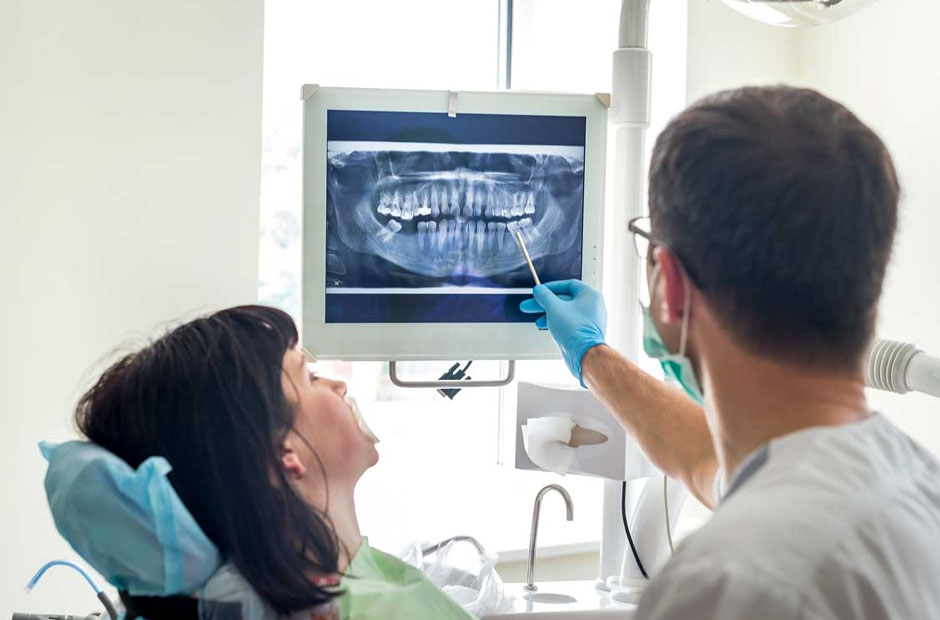
General dental treatment is simple. It typically includes regular maintenance services like check-ups, cleans, X-rays, fluoride treatments, and small fillings. These services are essential to preserving the functionality and integrity of your teeth, as well as identifying any potential problems early before they escalate into something more severe and expensive to fix. Most general dental treatment will have you in and out of the dentist in no time and probably not cost you much at all. Most extras policies will have general dental included and, after serving a waiting period (usually two months), will cost you very little if anything.
Choosing the Right Level of Cover For Your Stage of Life
Your dental background is an accurate barometer of what you’re actually covered for. 20-something with no significant prior stuff, no orthodontics on the horizon, all your old fillings still holding strong? A solid general dental policy is basically a realistic short term need.
It’s when you hit your 30s or 40s and you’re likely to have some pre-existing work here and there, your children will soon reach the age where assessments for orthodontics are tabled, and/or you’ve already been advised that a tooth or two will eventually require a root canal, that’s where the financial delta between a low-end basic policy and a genuinely mid-tier one starts to become apparent.
Dental Insurance varies hugely in how they divide the rebate cake between basic/ preventative and serious/complex work. A lower-end extras policy might give you a solid return on your regular work, with a clean and a set of X-rays discounted, but pretty much shrug on covering the cost of a crown. The higher your premiums and the more the policy is truly pitching itself at people with extensive existing problems. If reconstructive work is almost a definite over the next decade, the maths usually works out that you’re better off outlaying more upfront.
The Major Dental Category and Why it Costs More
Restorative and complex dental work is classified as major dental, and it is expensive. It can be several thousands for a single item. What’s more, the gap waiting periods tend to catch a lot of people out. General dental might have a two-month wait. Major dental is twelve months. Annual limits are often low too and, given the costs, it’s not unusual that some treatment exceeds them.
Why General Dental is Actually Your Best Financial Tool
Here’s a compelling reason to continue your general dental care even if you don’t use the insurance for anything else: a $200 clean every six months is a lot less painful than a $2,000+ root canal. And dentists don’t just clean your teeth, they also catch decay, cracked fillings, and early gum disease. If these common problems are found early, they’re small fixes. If you ignore your teeth until they hurt, they become major dental claims.
This is particularly relevant as you age. Fillings you got when you were 20 or 30 don’t last forever. Amalgam restorations especially tend to break down at the margins and teeth that were ‘perfect’ for 10 or 20 years can suddenly become a problem. Staying current with check-ups means these problems get caught while they’re still relatively simple and cheap.
Getting a Quote Before You Commit to Treatment
One of the most useful things you can do before committing to extensive dental work is to ask your dentist for a quote, then cross-check your health insurer to see what they will actually pay. This is sometimes referred to as informed financial consent, and while it’s a professional obligation for most dentists to give it to you, not all patients remember to follow up with the health fund details.
The figures may shock you. For instance, a treatment that your health fund ‘covers’ might actually have a 50-60% rebate attached to it, and a substantial shortfall over your quote. You have the right to know this before, not after you are committed. This may give you time to save up, to delay treatment, or to question whether another provider actually has a lower charge for the same item number (and many don’t charge the maximum).
Three in 10 people aged 15 and over avoid or delay visiting a dentist due to cost (Australian Institute of Health and Welfare). Unfortunately, avoiding the dentist not only means that the eventual bill is going to be worse, but that usually your options for remedial work are worse as well. Knowing what your insurer actually rebates, for each item number, takes the gamble out of the situation and stops people from avoiding.
Matching Cover to Reality
The aim is not to have the most complex policy available. We need a policy that shows your current dental health lifecycle. A general dental policy will keep you away from any potential troubles. A major dental policy will protect you when the older work begins to fail. It’s essential to understand the category your next probable procedure will fall into, rather than when you’re already in the chair. This will help you determine the effectiveness of a dental policy over its cost.