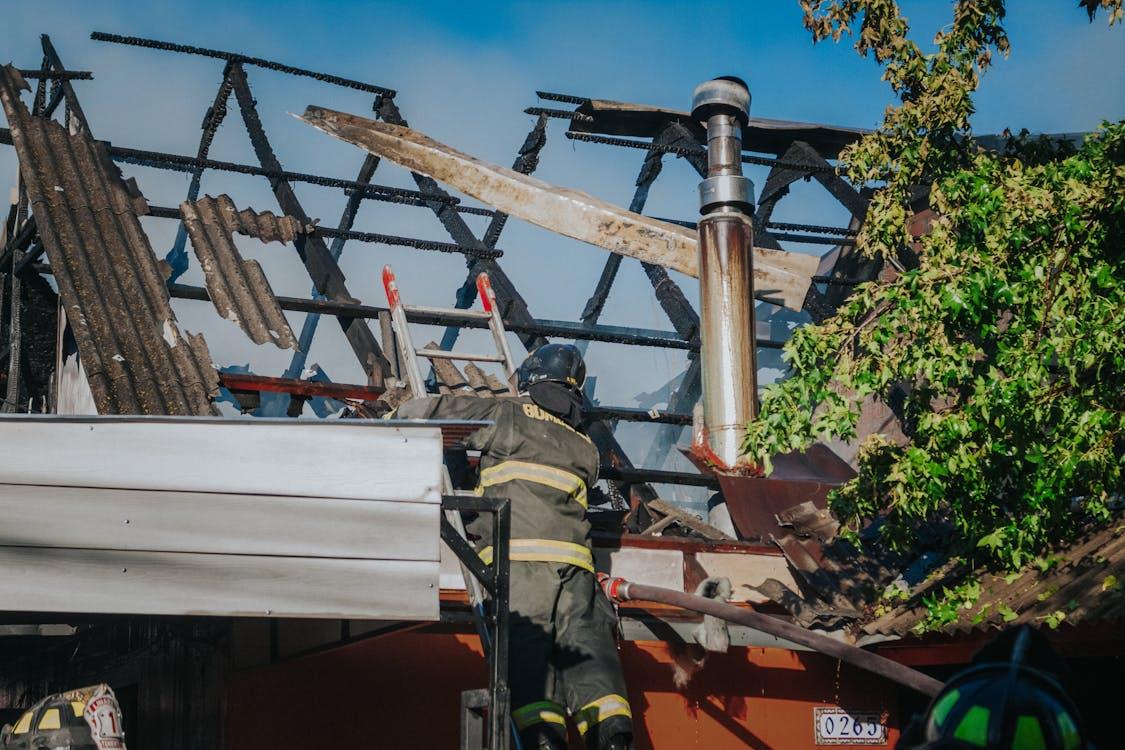
In cities like Columbus, where older wood-frame homes sit next to newer builds, fire damage tends to hit unevenly, one block intact, next one blackened, and the response has to move just as unevenly. The first hours after a fire are not clean or organized. People walk back into spaces that still smell sharp, wet soot underfoot, ceilings sagging, sometimes water still dripping from where hoses ran too long. You don’t start rebuilding yet. You pause. Safety first, always—structure needs to be checked, not guessed. Hidden damage matters more than what’s visible. A wall might look fine, but heat compromised it. Electricity? off until inspected. Gas lines, too. No shortcuts here, even if pressure builds fast from insurance calls or contractors knocking early.
Stabilize before you fix
The instinct is to clean, to move things around, maybe salvage what looks usable. That can make things worse. Stabilization comes first—boarding up openings, covering exposed roof sections, and stopping further water intrusion. Fire rarely acts alone; water damage follows, then mold if ignored. So drying begins early, even before full assessment sometimes. Fans, dehumidifiers, controlled airflow. Not random. Directed.
At this stage, documentation matters more than people expect. Photos, videos, written notes—everything before moving items. Insurance depends on it. Memory fails under stress. Paper doesn’t.
If you live in Ohio and are in search of fire damage restoration Columbus has local experts who can handle it all responsibly. That urgency is understandable, but rushed hiring leads to problems later—unqualified crews, incomplete work, inflated claims. Slowing down for a moment, even briefly, often saves months of trouble.
Sorting loss from salvage
Not everything burned is lost, yet not everything that survived is safe. Smoke damage spreads further than flames. Porous materials—sofas, mattresses, carpets—absorb toxins, often beyond cleaning. Hard surfaces fare better. Wood can sometimes be restored, sometimes not. It depends on the charring depth and the structural role.
This stage gets emotional. People hold onto items they shouldn’t. It’s not about logic. Still, decisions must be made. What gets cleaned, what gets discarded. Professionals use testing—air quality, residue analysis—but often it’s visual plus experience.
And smell. Smoke odor lingers in ways that simple cleaning won’t fix. Ozone treatments, thermal fogging, specialized cleaning agents—these are tools, but misuse them, and you lock odors deeper instead of removing them.
Cleaning is not just wiping
Surface cleaning doesn’t solve fire damage. Soot is acidic. It stains, corrodes, and spreads if handled wrong. Dry cleaning methods often come first—sponges designed to lift residue without smearing. Water too early can set stains. That surprises people.
Walls, ceilings, ducts—especially ducts. HVAC systems carry smoke throughout the structure. If not cleaned properly, contamination cycles back later. Months later, sometimes. People think the problem has returned. It never left.
Clothing, papers, and small items—restoration companies sometimes send these off-site. Specialized cleaning facilities handle them. Expensive, yes. But for certain items, worth it.
Structural repair—slow, not flashy
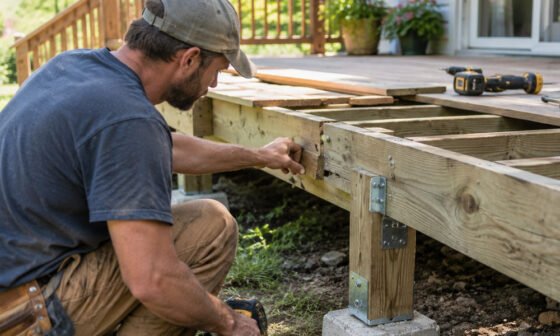
Once cleaning stabilizes the environment, rebuilding starts. Framing gets inspected. Some beams charred on the surface remain structurally sound; others don’t. Engineers may be involved. Permits required. It’s not optional, even if someone suggests skipping steps to move faster.
Drywall usually gets replaced. Insulation too—it traps smoke particles deeply. Flooring depends on the type. Hardwood can sometimes be sanded down and refinished. Laminate usually goes. Subfloor? checked for moisture plus warping.
This phase looks like progress, but moves more slowly than expected. Hidden issues keep appearing. Burn patterns reveal weaknesses not obvious before walls are opened. Plans adjust. Budgets stretch.
Water damage overlaps with everything
Firefighting introduces large volumes of water. That damage competes with fire damage. It spreads differently—downward, outward, into materials not touched by flames. Mold risk rises quickly, sometimes within 24–48 hours.
Drying must be thorough. Not surface dry. Internal moisture levels are measured with tools, not guesses. If skipped, mold appears later, complicates insurance, and delays occupancy again.
Decontamination overlaps here, too. Water mixes with soot, creating residues harder to remove than either alone. It’s a compound problem.
Air quality—often underestimated
Even after visible cleaning, indoor air can remain compromised. Fine particles linger. Odors signal that. Sometimes people ignore it, eager to return home. That’s risky.
Air scrubbers, HEPA filtration, ventilation adjustments—these matter. Testing confirms when levels are acceptable. Not perfect, but safe. Rushing back too early leads to health issues—respiratory irritation, headaches, and longer-term effects are still debated.
Contractors—selection matters more than speed
After a fire, contractors appear quickly. Some reputable, some not. Licensing should be verified. Insurance too. References checked, even if it feels like a delay. Contracts must be clear—scope, timeline, costs. Vague agreements cause disputes later.
Communication often breaks down mid-project. Expectations shift. Staying involved helps. Not micromanaging, but not absent either.
And payment structure matters. Large upfront payments are risky. Milestone-based payments are safer. Common advice, often ignored in stress.
Insurance—necessary friction
Insurance claims move slowly relative to need. Documentation helps, but delays happen. Adjusters assess damage, sometimes underestimate. Negotiation follows. It’s not confrontational, but it can feel that way.
Temporary housing, living expenses—covered under many policies, yet limits apply. People assume more coverage than exists. Reading the policy carefully matters now, even if it wasn’t read before.
Public adjusters sometimes enter the process. They can help, sometimes complicate. It depends on the case.
Emotional residue
Rebuilding isn’t just physical. There’s a psychological layer that lingers longer than the smell of smoke. People feel displaced even after returning home. Familiar spaces feel altered. That fades, slowly.
Some rush to restore everything exactly as it was. Others change layouts, redesign. Both approaches valid. Neither fixes the underlying disruption immediately.
Time—longer than expected
Projects stretch. Weeks turn into months. Supply delays, permit issues, and contractor scheduling all contribute. Frustration builds. That’s normal.
Progress isn’t linear. One week looks productive, the next one stalls. Eventually, it moves forward again.
When the work finishes, the result rarely feels like a simple return to normal. It’s close, but not identical. Materials differ, layouts shift slightly, and even light falls differently in rebuilt rooms.
Still, safe. Functional. Often improved in ways that weren’t planned at the start.
Fire damage repair is not just fixing what burned. It’s managing a chain reaction—fire, water, smoke, stress, decisions made under pressure. Done right, the structure recovers. Done poorly, problems linger quietly, then show up later when least expected.