Every property depends on a reliable heating and cooling system to maintain a comfortable indoor environment year-round. Whether the weather brings freezing temperatures or intense summer heat, these systems work hard to regulate indoor conditions and support healthy air circulation. Over time, however, wear and tear can reduce efficiency and create hidden issues that often go unnoticed until they affect comfort. Recognizing early warning signs allows property owners to address concerns before they grow into costly repairs or unexpected breakdowns. Paying attention to unusual changes in system performance helps extend equipment life while keeping energy use under control and indoor spaces consistently comfortable.
Signs Worth Noticing
Uneven Temperatures Throughout the Property
One of the earliest indicators that a heating and cooling system requires professional attention is uneven temperature distribution. You may notice that one room feels pleasantly comfortable while another remains noticeably warmer or colder despite using the same thermostat setting. These inconsistent temperatures often point to airflow restrictions, aging components, clogged filters, damaged ductwork, or equipment struggling to distribute conditioned air evenly throughout the building. Ignoring these differences can force the system to work harder than necessary, increasing energy consumption while reducing overall comfort.
Occupants may compensate by constantly adjusting the thermostat, creating even greater strain on the equipment. A professional inspection can identify the underlying cause and restore balanced airflow before the issue leads to larger mechanical failures. Addressing temperature inconsistencies also improves indoor comfort, reduces unnecessary operating costs, and allows the entire system to function more efficiently across all rooms rather than placing excessive demand on a few struggling components.
Rising Utility Bills Without Increased Usage
An unexpected increase in monthly energy bills often signals declining system performance rather than changes in household habits. Heating and cooling equipment naturally loses efficiency as components age, accumulate dirt, or develop mechanical problems, requiring more energy to achieve the same level of comfort. Small issues such as worn belts, dirty coils, restricted airflow, refrigerant concerns, or malfunctioning sensors can quietly reduce operating efficiency for months before complete failure occurs. Property owners frequently overlook these gradual increases because the changes occur over time rather than all at once. Scheduling regular inspections allows technicians to locate hidden inefficiencies before they become more expensive to correct.
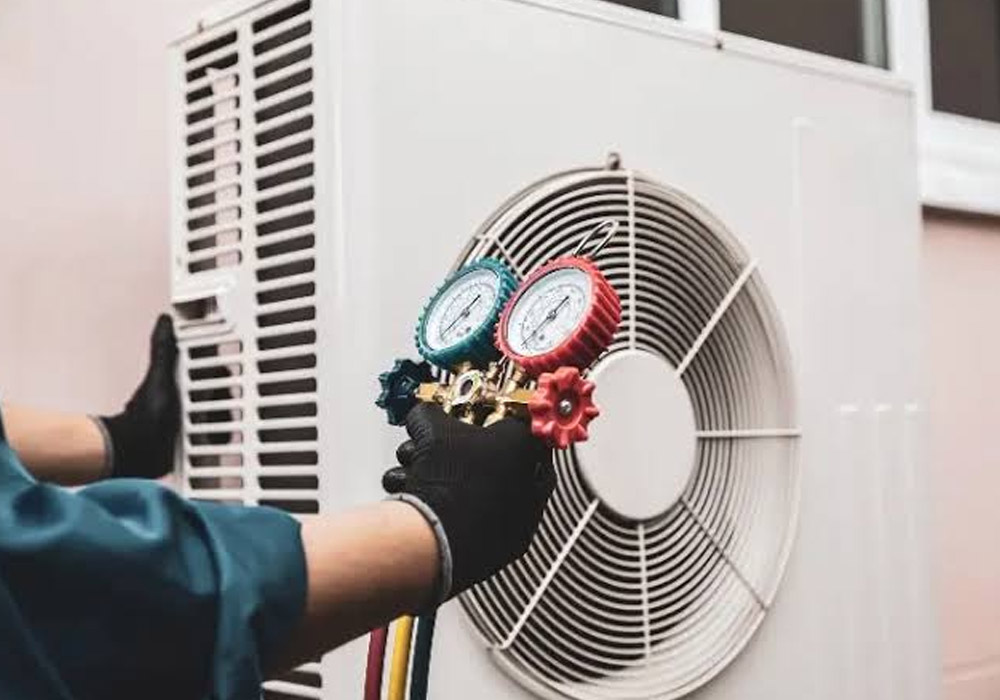
Essential Heating and Air Conditioner Services help identify these performance concerns early, allowing the equipment to operate more consistently while reducing unnecessary energy consumption. Restoring efficiency not only lowers operating expenses but also reduces strain on critical system components, helping the equipment continue to function reliably amid changing seasonal demands.
Strange Sounds and Unusual Odors
Heating and cooling equipment normally produces a steady operating sound that remains fairly consistent from day to day. When unfamiliar noises suddenly appear, they often indicate developing mechanical problems requiring prompt attention. Rattling may suggest loose hardware, grinding can point to worn moving parts, while squealing sometimes indicates belt or motor issues. Ignoring these warning signs may allow relatively small concerns to grow into expensive repairs involving major components. Along with unusual sounds, unexpected odors should never be dismissed.
A musty smell could indicate moisture buildup, which can encourage mold growth within ducts or equipment, while burning odors may result from overheating electrical components or from accumulated dust contacting heated surfaces. Even unpleasant chemical-like smells deserve immediate evaluation because they may signal refrigerant leaks or damaged insulation. Having the system professionally inspected after noticing these changes helps protect both the equipment and indoor comfort while preventing avoidable damage that may shorten the system’s operating life.
Weak Airflow and Reduced Indoor Comfort
Strong, steady airflow allows heated or cooled air to circulate effectively throughout every area of a property. When airflow weakens, rooms often take much longer to reach the desired temperature, leaving occupants uncomfortable even when the system runs continuously. Several issues can contribute to poor airflow, including clogged air filters, blocked vents, damaged ductwork, failing blower motors, or internal component wear. Reduced airflow forces heating and cooling equipment to operate longer cycles, increasing energy use while delivering disappointing performance. Dust accumulation may also become more noticeable because the system cannot effectively circulate and filter indoor air.
Some homeowners mistakenly believe weak airflow simply reflects an aging system, but many causes can be corrected through timely maintenance and repairs. Identifying these problems early allows technicians to restore proper circulation, improve indoor comfort, reduce equipment strain, and ensure every room receives a more consistent supply of conditioned air, regardless of the season.
Frequent Cycling and Difficulty Maintaining Settings
Heating and cooling systems naturally cycle on and off as they maintain the selected indoor temperature. However, unusually frequent cycling often signals an underlying problem affecting normal operation. Short cycling occurs when the equipment repeatedly starts and stops before completing a full heating or cooling cycle, placing unnecessary stress on motors, compressors, and electrical components. This issue may result from thermostat malfunctions, airflow restrictions, refrigerant imbalances, oversized equipment, or electrical concerns that prevent efficient operation. Frequent cycling not only increases utility costs but also accelerates wear on valuable system parts, shortening overall equipment lifespan.
Property owners sometimes overlook this behavior because the system still appears to function, even though it operates inefficiently behind the scenes. Professional service helps identify the exact cause and restore normal operating patterns before repeated stress leads to major mechanical failures. Stable cycling keeps indoor temperatures more comfortable while reducing energy waste and supporting dependable year-round performance.
Increased Dust, Humidity, and Indoor Air Quality Concerns
Indoor comfort depends on more than temperature alone. Heating and cooling systems also play an important role in controlling humidity levels and circulating cleaner air throughout the property. When equipment begins struggling, occupants may notice excessive dust collecting on furniture shortly after cleaning, persistent humidity, condensation around windows, or stale indoor air that never seems to improve. These symptoms often indicate clogged filters, dirty evaporator coils, leaking ductwork, inadequate ventilation, or declining equipment performance. Excess moisture may encourage mold growth, while poor air circulation allows airborne particles to remain inside occupied spaces longer than normal.
Families experiencing increased allergy symptoms or respiratory discomfort sometimes discover that neglected heating and cooling equipment contributes to declining indoor air quality. Professional inspections address these concerns by restoring airflow, improving filtration performance, correcting moisture-related issues, and helping the entire system maintain healthier indoor conditions without placing excessive strain on aging components.
Recognizing early warning signs allows property owners to respond before minor equipment concerns become major disruptions. Uneven temperatures, rising utility costs, unusual sounds, weak airflow, frequent cycling, and declining indoor air quality all indicate that a heating and cooling system may require professional attention. Timely service improves efficiency, supports dependable performance, and helps extend the lifespan of valuable equipment while maintaining consistent indoor comfort throughout changing seasons. Rather than waiting for a complete system failure, addressing these symptoms early can reduce repair costs, improve energy efficiency, and create a healthier indoor environment for everyone who lives or works within the property.