Have you ever spent weeks planning a camping trip only to find yourself soaked, hungry, exhausted, or wishing you had stayed home? Camping looks simple on social media, where every campfire glows perfectly, and every tent sits beside a breathtaking view. In reality, small mistakes can turn an exciting outdoor adventure into a frustrating experience. As more Americans head outdoors in search of affordable travel, digital detoxes, and time in nature, understanding what commonly goes wrong has become more important than ever.
Treating Camping Like a Social Media Photoshoot
One of the biggest mistakes campers make is focusing more on creating content than preparing for the trip itself. Social media has transformed outdoor recreation into a showcase of scenic landscapes, elaborate campsites, and carefully staged moments. The problem is that nature rarely cooperates with online expectations.
People often pack extra gadgets while forgetting essentials such as weather-appropriate clothing, flashlights, or backup food supplies. A campsite does not care how many followers someone has. Rain, wind, insects, and changing temperatures quickly remind campers that comfort and safety matter far more than capturing the perfect photo.
Choosing Gear Based on Appearance Instead of Function
Outdoor gear has become a booming industry, and many first-time campers are drawn toward products that look impressive rather than perform well. A tent might appear great in advertisements, but durability, weather resistance, and ease of setup are what truly matter in the field.
Many experienced campers research reliable suppliers before investing in equipment. Quality shelter often determines whether a trip remains enjoyable or becomes miserable, which is why retailers such as Wall Tent Shop are often mentioned in discussions about durable camping setups. Before purchasing gear, campers should examine material quality, weather ratings, ventilation features, and customer reviews rather than relying solely on marketing images.
Ignoring Weather Forecasts
Weather remains one of the most underestimated factors in camping. Many people glance at a forecast several days before departure and assume conditions will stay the same. In reality, weather patterns can shift quickly, especially in mountainous or remote areas.
Checking forecasts multiple times before leaving and monitoring local conditions can prevent countless problems. Campers should prepare for temperatures colder than expected and pack rain protection even when sunshine is predicted. A dry camper can usually handle inconvenience, while a wet camper often faces discomfort, poor sleep, and increased safety risks.
Packing Too Much or Too Little
Packing mistakes often fall into two extremes. Some campers bring enough equipment to supply a small expedition, while others arrive with barely enough essentials for a weekend. Both approaches create unnecessary challenges.
Successful campers focus on practical necessities. Water, food, shelter, clothing layers, navigation tools, first-aid supplies, and lighting should receive priority. At the same time, eliminating unnecessary items reduces weight, improves mobility, and makes setting up camp much easier. Smart packing is less about quantity and more about thoughtful preparation.
Failing to Test Equipment Before the Trip
Many camping frustrations begin long before anyone reaches the campsite. New campers often purchase gear and assume it will work properly straight out of the package, only to discover missing parts, confusing instructions, or damaged components after arriving outdoors.
Setting up a tent for the first time in fading daylight or trying to figure out an unfamiliar camp stove during a rainstorm can quickly turn excitement into stress. Testing equipment at home allows campers to identify problems, learn setup procedures, and replace faulty items before departure. A short practice session in the backyard often saves hours of frustration and helps ensure a smoother, more enjoyable experience in the wilderness.
Choosing the Wrong Campsite
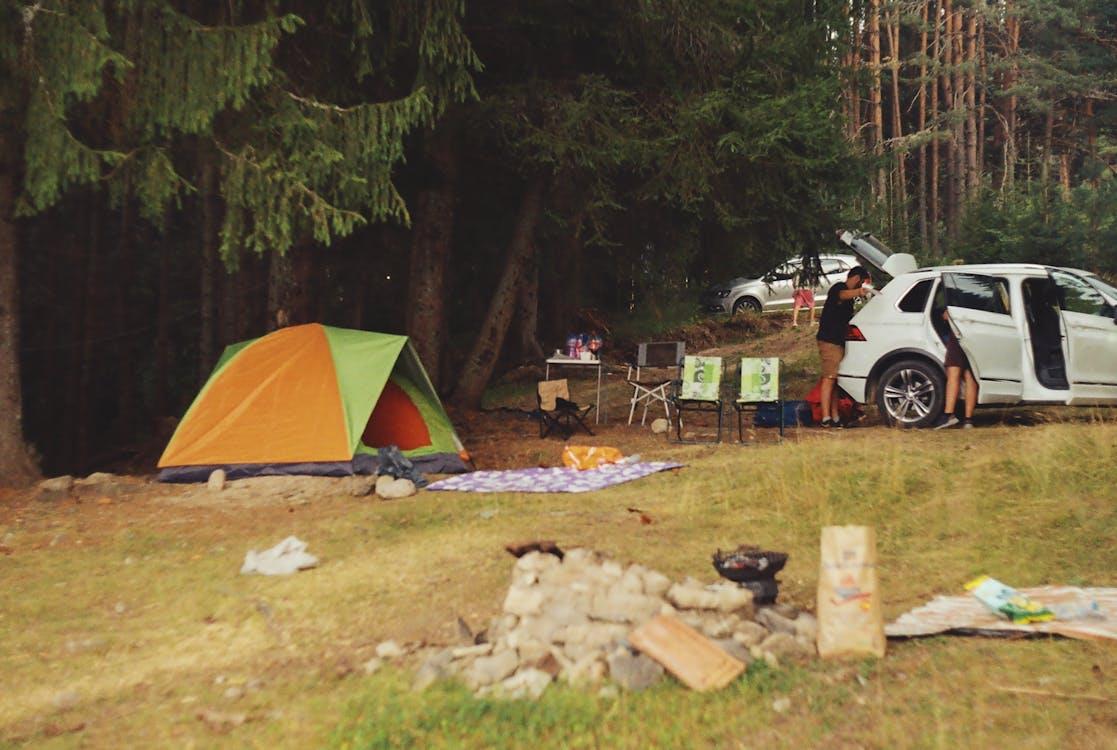
Location can make or break a camping experience. Many campers select sites based solely on views without considering practical concerns. A beautiful clearing may become a wind tunnel overnight, while a low area can collect water during unexpected rain.
When evaluating a campsite, look for level ground, natural wind protection, proper drainage, and safe distances from hazards such as dead tree branches. Access to water sources can be helpful, but camping too close to them may increase insect activity. Spending a few extra minutes assessing the location often prevents hours of discomfort later.
Underestimating Food and Water Needs
Food preparation seems straightforward until campers realize how much energy outdoor activities consume. Hiking, gathering firewood, and spending entire days outdoors typically increase calorie requirements significantly.
Water management is even more critical. Dehydration develops faster than many people expect, particularly during the summer months. Campers should calculate water needs carefully and identify reliable refill options if staying multiple days. Bringing water filtration equipment adds flexibility and provides an important backup if plans change unexpectedly.
Neglecting Campfire Safety
Campfires remain one of camping’s greatest pleasures, but carelessness around fire continues to cause preventable accidents every year. Dry conditions, strong winds, and improper fire management can create dangerous situations within minutes.
Campers should always follow local regulations, use designated fire rings when available, and keep water or dirt nearby for emergencies. Before leaving or sleeping, fires must be completely extinguished until no heat remains. A campfire should create memories, not headlines. In an era when wildfires frequently dominate national news, responsible fire practices have never been more important.
Forgetting That Nature Operates on Its Own Terms
Perhaps the most common mistake is expecting complete control over the outdoor experience. Modern life allows people to customize nearly everything, from entertainment to food delivery. Camping removes much of that convenience, and unpredictability becomes part of the experience.
Mosquitoes appear when least welcome. Trails become muddy. Temperatures drop unexpectedly. Wildlife follows its own schedule. The campers who enjoy themselves most are usually those who adapt rather than resist. Flexibility transforms setbacks into stories and inconveniences into memorable adventures. Camping succeeds not because everything goes according to plan, but because people learn to appreciate the unexpected moments that nature provides.
Camping remains one of the best ways to reconnect with the outdoors, reduce stress, and escape the constant demands of modern life. Yet the experience often depends less on expensive equipment and more on avoiding simple mistakes. Preparation, realistic expectations, and a willingness to adapt can turn an ordinary trip into a rewarding adventure. While no camping excursion is completely free from surprises, understanding these common pitfalls greatly increases the chances that the memories brought home will be the good kind.