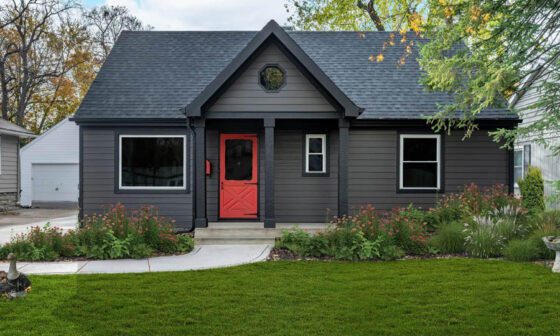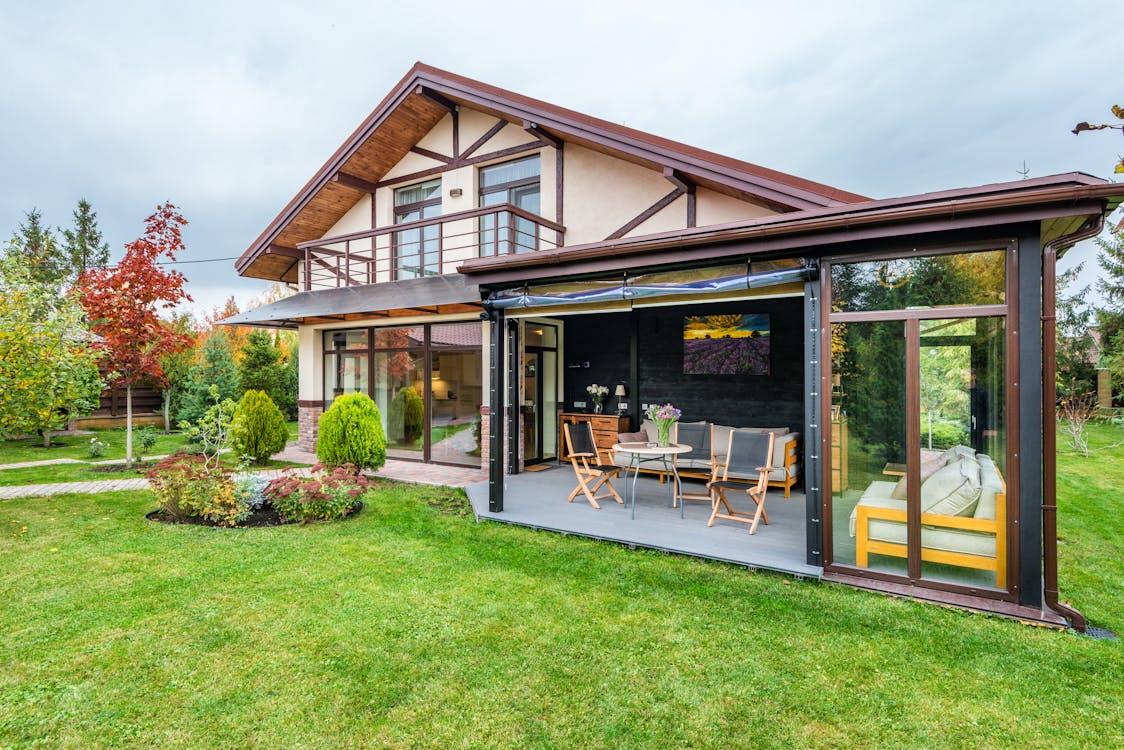
Have you noticed how a simple backyard has started to feel almost as important as a living room? Across the United States, homeowners are spending more time and money on patios, gardens, outdoor kitchens, and comfortable gathering areas. What was once considered extra space is increasingly viewed as a valuable extension of the home. From changing work habits to rising property values, several trends are reshaping how people think about the outdoors and why these spaces have become such a priority.
The Backyard Becomes a Real Living Area
A few years ago, many homeowners saw outdoor areas as places to mow, water, and occasionally use during a summer barbecue. Today, that mindset is changing. Patios are being furnished like family rooms, complete with comfortable seating, lighting, and entertainment features. People want spaces that support everyday life rather than occasional use.
Part of this shift comes from the growing desire to maximize every square foot of a property. As home prices remain high in many regions, moving is not always practical. Instead, homeowners are investing in the space they already own, turning underused yards into functional extensions of the house.
Landscaping Is Getting More Attention
Creating an inviting outdoor environment often starts with the lawn itself. A healthy, attractive yard provides the foundation for everything else, whether the goal is entertaining guests or simply relaxing after work. Homeowners are paying closer attention to grass quality, drainage, and plant selection than they did in the past.
As more people invest in their yards, questions about maintenance and installation naturally follow. It’s common for homeowners comparing lawn improvement options to search for sod installation FAQs while planning a project, especially when they want clear guidance on watering schedules, seasonal timing, and long-term care. A successful lawn can dramatically improve both the appearance and usability of an outdoor space.
Remote Work Changed Daily Habits
The rise of remote and hybrid work continues to influence how people use their homes. Even as some companies encourage employees to return to the office, millions of Americans still spend at least part of their week working from home. As a result, homeowners have become more aware of their surroundings throughout the day.
A backyard that once sat empty during business hours can now serve as a workspace, lunch spot, or location for virtual meetings. Fresh air and natural light offer a welcome break from screens, making outdoor spaces valuable for both productivity and mental well-being. The irony is hard to miss. After years of technological advancement, many people are discovering that stepping outside remains one of the best ways to recharge.
Entertainment Is Moving Outdoors
Restaurants, sports venues, and event spaces have long recognized the appeal of outdoor environments. Homeowners are following a similar path by creating spaces that make entertaining easier and more enjoyable. Fire pits, outdoor dining areas, and covered patios have become popular additions across many neighborhoods.
These improvements often allow families to host gatherings without the expense of going out. Instead of competing with crowded restaurants or expensive event venues, homeowners can create comfortable settings for birthdays, game nights, and holiday celebrations. The result is a more versatile home that supports both everyday living and special occasions.
Wellness Trends Extend Beyond the Gym
Health and wellness conversations are everywhere, from social media feeds to workplace programs. While fitness often dominates those discussions, people are increasingly recognizing the benefits of spending time outdoors. A thoughtfully designed yard encourages movement, relaxation, and time away from digital distractions.
Gardening, walking, and simply sitting outside can reduce stress and improve mood. These activities do not require expensive memberships or complicated routines. As awareness of mental health continues to grow, outdoor living spaces are becoming part of a broader approach to personal wellness that feels accessible and sustainable.
Home Value Still Matters
While enjoyment is often the primary motivation, homeowners also recognize the financial benefits of outdoor improvements. Real estate professionals frequently note that attractive landscaping and functional outdoor features can enhance a property’s appeal to potential buyers.
Buyers increasingly expect more than a basic lawn. Features such as patios, outdoor lighting, and well-maintained gardens can help a property stand out in a competitive market. Even homeowners who have no immediate plans to sell understand that strategic outdoor investments may contribute to long-term value while providing years of personal enjoyment.
Technology Is Making Outdoor Spaces Easier to Manage
Modern technology has simplified many aspects of outdoor maintenance. Smart irrigation systems, automated lighting, weather-responsive controls, and robotic lawn equipment allow homeowners to maintain attractive spaces with less effort than previous generations required.
These innovations appeal to busy families who want beautiful outdoor areas without dedicating every weekend to upkeep. Technology is helping bridge the gap between convenience and aesthetics, making outdoor living more accessible for people with demanding schedules. The modern backyard increasingly combines nature with smart solutions in ways that would have seemed unusual just a decade ago.
Climate and Lifestyle Considerations Are Shaping Design
Outdoor living trends vary by region, but climate awareness is influencing decisions nationwide. Homeowners are choosing drought-tolerant plants, shade structures, and efficient irrigation systems that help conserve resources while maintaining comfort and visual appeal.
At the same time, people are designing spaces that reflect how they actually live. Some prioritize outdoor cooking areas, while others focus on quiet retreats or family-friendly play zones. The emphasis is less about following trends and more about creating environments that support individual needs. That practical approach helps explain why outdoor living spaces continue to gain popularity across different age groups, budgets, and locations.
The growing focus on outdoor living reflects more than a design trend. It highlights a broader shift in how people think about home, wellness, community, and daily life. As work patterns evolve, technology advances, and homeowners seek greater value from their properties, outdoor spaces are becoming essential rather than optional. Whether it is a simple patio, a thriving garden, or a fully equipped entertainment area, the modern backyard has become one of the most important rooms in the house, even though it does not have four walls.