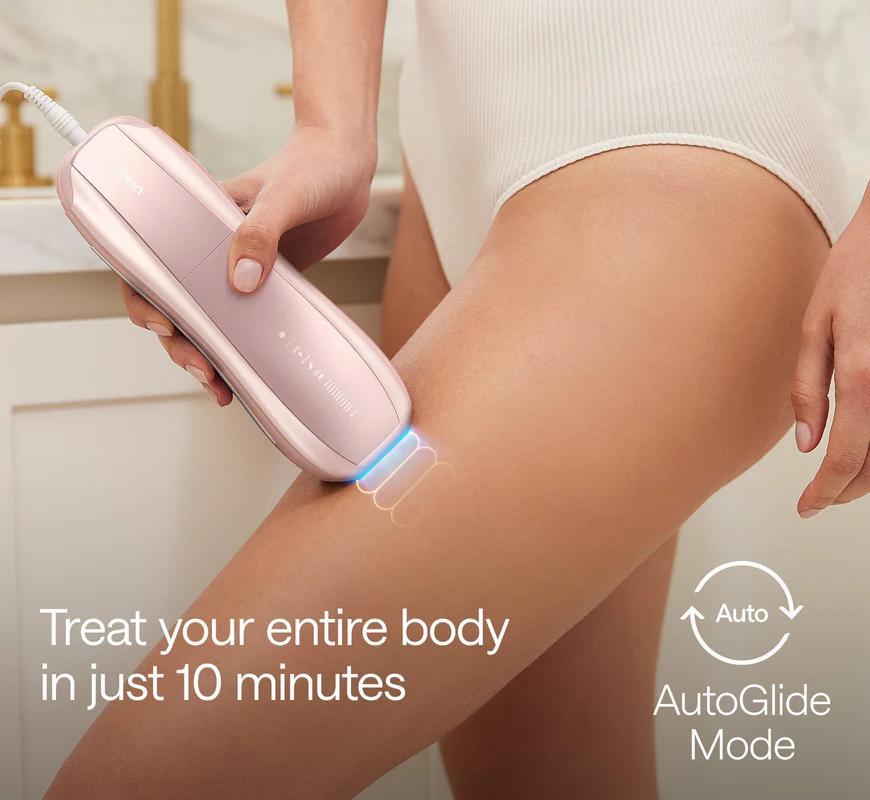
Yes, home laser hair removal can help you get smoother skin when you use it consistently and follow the right routine. These devices reduce visible hair growth over time, which means less stubble, fewer ingrown hairs, and skin that feels softer between maintenance sessions. They are not the same as a one-time fix, but they can produce clear improvement with regular use. For many people, the appeal is simple: fewer shaving sessions, less irritation, and more control over hair removal at home. Understanding how the treatment works and how to support your skin afterward makes the difference between average and better-looking results.
How Home Laser Hair Removal Helps Create Smoother Skin
How laser technology targets hair growth for lasting smoothness
Home laser hair removal works by directing light energy into the pigment in the hair. That energy travels down the shaft and heats the follicle, which weakens its ability to produce new growth. Because hair grows in cycles, only some follicles respond during each session, so repeated treatments are necessary. As more active follicles are treated, hair tends to grow back more slowly, more finely, and less densely. That reduction is what creates a smoother skin feel over time. The process also helps reduce the rough shadow that often appears after shaving, especially on areas like legs, underarms, and the bikini line, where frequent hair removal can leave skin looking textured.
What results users can realistically expect from regular treatments
Most users can expect a gradual reduction in hair rather than instant hair-free skin. In the first few weeks, hair may appear to grow as usual, then begin shedding and returning more slowly. With regular treatments, many people notice patches of reduced density, finer regrowth, and smoother texture because there is less coarse stubble breaking through the surface. Skin can also look more even when shaving irritation becomes less frequent. Home devices are designed for long-term reduction, so maintenance sessions are usually part of the process. The most realistic expectation is smoother skin with less frequent upkeep, not permanent removal after a few uses. Consistency matters more than intensity when building visible, lasting improvement.
Building an Effective At-Home Hair Removal Routine
Step-by-step preparation and aftercare for better results
Start with clean, dry skin and shave the treatment area before using the device so the light can focus on the follicle below the surface rather than singeing longer hair above it. Avoid applying heavy lotions, oils, deodorant, or self-tanner beforehand. During treatment, follow the device instructions carefully and work in an organized pattern to avoid missed spots. Afterward, keep the skin cool and calm with a gentle, fragrance-free moisturizer if needed. Skip hot showers, harsh exfoliants, and direct sun exposure for a short period after each session. Daily sunscreen on exposed treated areas also helps protect the skin and supports a smoother-looking finish as treatments continue.
Choosing suitable at-home laser hair removal devices
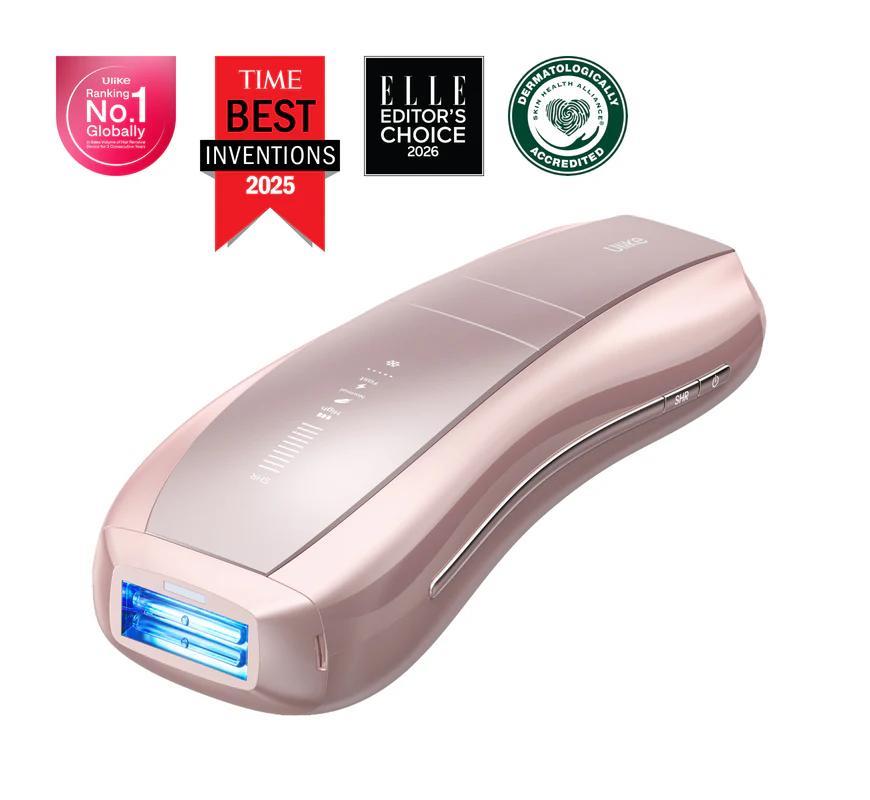
Choosing the right laser hair removal at home device starts with safety, skin tone compatibility, and ease of use. Look for a device with clear usage guidance, built-in skin contact or skin tone sensors, and adjustable energy settings so you can match treatment strength to your comfort level and body area. Window size matters too: larger treatment windows can speed up sessions on legs, while smaller attachments are more precise for underarms or bikini areas. A well-designed device should feel manageable in the hand and allow consistent coverage without confusion. If you plan to treat multiple areas regularly, prioritize reliability, straightforward controls, and a treatment schedule you can realistically maintain over the long term.
Tips for Maintaining Smooth Skin After Laser Hair Removal
Skincare habits that support softer and healthier skin
Smooth skin after laser hair removal is easier to maintain when your skincare routine protects the barrier and prevents irritation. Use a gentle cleanser, moisturize regularly, and choose products that reduce dryness without heavy fragrance. Light exfoliation between sessions can help keep dead skin from trapping hairs under the surface, but it should be mild and never done on freshly treated skin. Sun protection is especially important because treated skin can be more sensitive to UV exposure, and tanning may interfere with future sessions. If you are prone to bumps after hair removal, avoid tight clothing immediately after treatment and keep the area clean, cool, and hydrated to support a softer texture.
How to maintain results with long-term treatment planning
Long-term smoothness comes from following a treatment calendar instead of using the device only when hair becomes noticeable again. Begin with the recommended schedule for initial sessions, then shift to maintenance as regrowth slows. Keeping notes on dates, body areas, and response can help you identify the timing that works best. Maintenance often becomes less frequent once reduction is established, which is one reason home laser hair removal appeals to people who want lower-effort upkeep. It also helps to avoid switching back and forth between methods that disrupt the follicle, such as waxing or epilating, during your plan. Shaving between sessions is usually the best way to maintain progress.
Conclusion
Home laser hair removal can deliver smoother skin when you approach it as a routine, not a quick fix. By targeting the follicle over repeated sessions, these devices reduce regrowth, soften texture, and cut down on the constant cycle of shaving and irritation. The best results come from realistic expectations, careful preparation, consistent use, and simple aftercare that keeps the skin calm and protected. Choosing a suitable device and sticking to a long-term schedule can make a visible difference in how your skin looks and feels. For people seeking more convenience and less stubble, home laser hair removal is a practical path toward smoother-looking skin.