The evolution of luxury entertainment venues has quietly influenced how Americans design their private spaces. In Austin, where the nightlife scene has matured into a sophisticated blend of performance art and hospitality, homeowners are borrowing design cues from the city’s most polished establishments to create compelling entertainment environments.
This trend reflects a broader shift in how people think about home gatherings. Rather than replicating the casual bar aesthetic, today’s hosts are drawing from venues that have perfected the balance between intimacy and spectacle. The transformation of entertainment spaces from utilitarian rooms into carefully curated experiences mirrors the evolution of nightlife venues themselves, which have moved far beyond their mid-century origins to become destinations known for their interior design as much as their entertainment.
Design Elements That Define the Austin Entertainment Aesthetic
Creating an immersive entertainment space requires attention to several key design principles that professional venues have refined over decades. The most successful home installations borrow selectively from commercial spaces while maintaining residential comfort.
- Layered Lighting Systems: Professional-grade dimming controls and color-adjustable LED systems allow hosts to shift ambiance throughout an evening. Warm amber tones create intimacy during conversation, while cooler hues energize dance floors.
- Acoustic Engineering: Sound-dampening materials and strategic speaker placement prevent audio from bleeding into neighboring rooms while maintaining clarity at conversation-friendly volumes.
- Textural Contrast: Mixing velvet upholstery with polished metal accents and reflective surfaces creates visual depth. Mirrored panels expand perceived space while adding glamour.
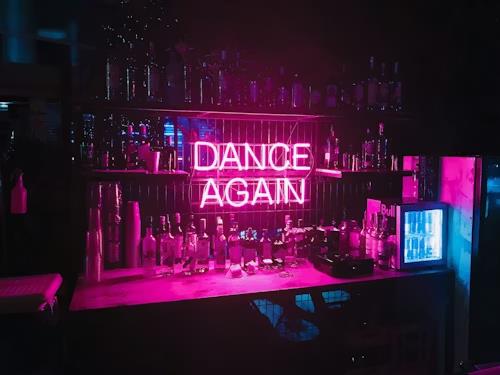
- Dedicated Bar Architecture: Built-in bars with proper refrigeration, glassware storage, and prep areas elevate the hosting experience beyond portable carts.
- Performance Zones: Even modest spaces benefit from a defined area for entertainment, whether for live music, DJ equipment, or presentation screens.
The Business of Experience-Driven Entertainment
Austin’s entertainment economy has grown substantially as consumer preferences shift toward experiential spending. According to McKinsey research on the future of experiences, Americans now allocate a larger share of discretionary income to memorable events rather than material goods, driving innovation in both commercial and residential entertainment design.
This economic reality has pushed venues to differentiate through atmosphere and service quality. Establishments such as Palazio, Spearmint Rhino, and Scores have each responded by investing in curated interiors and programming — a competitive dynamic where design matters as much as the experience itself, and one that translates directly to home entertainment planning.
Safety and Liability Considerations for Private Events
Hosting entertainment at home introduces responsibilities that commercial venues manage through professional staff and established protocols. Homeowners adapting nightlife aesthetics should implement corresponding safety measures.
- Establish clear guest expectations before events, including behavioral guidelines and capacity limits that respect both space constraints and local ordinances.
- Ensure adequate egress routes remain unobstructed, with emergency lighting that functions independently of mood lighting systems.
- Monitor alcohol service carefully, considering professional bartending services for larger gatherings to manage consumption responsibly.
- Verify homeowner’s insurance coverage extends to social hosting liability, particularly for events exceeding typical dinner party scale.
- Research local regulations governing noise levels, parking, and gathering sizes to avoid municipal violations.
Adapting Club Sophistication to Residential Scale
The challenge in translating commercial design to homes lies in maintaining sophistication while avoiding the sterile feel of an empty nightclub. Successful implementations balance theatrical elements with residential warmth.
- Scale lighting fixtures appropriately—oversized chandeliers that work in 20-foot ceilings overwhelm standard residential spaces. Choose statement pieces proportional to room dimensions.
- Curate spirits collections that reflect personal taste rather than attempting to stock a full commercial bar. A well-chosen selection of 15-20 bottles serves most entertaining needs.
- Design seating arrangements that encourage conversation clusters rather than theater-style rows. Circular or L-shaped configurations work better than linear setups.
- Invest in commercial-grade audio equipment scaled for residential use. Home systems can achieve clarity without the sound pressure levels required in large venues.
Why This Aesthetic Resonates Beyond Austin
The appeal of upscale entertainment design extends well beyond Texas, reflecting broader cultural shifts in how Americans socialize. Several factors explain the growing interest in sophisticated home entertainment spaces:
- Privacy Premium: High-profile individuals and privacy-conscious hosts prefer controlled environments where guest lists and documentation remain manageable.
- Customization Control: Home venues allow hosts to curate every detail, from music selection to temperature, without negotiating with commercial establishments.
- Economic Efficiency: For frequent entertainers, the per-event cost of home hosting drops significantly compared to venue rentals or repeated nightlife outings.
- Pandemic Legacy: COVID-19 permanently shifted some social activity toward private spaces, accelerating investment in home entertainment infrastructure.
- Multigenerational Appeal: Well-designed spaces accommodate diverse age groups more effectively than age-targeted commercial venues.
The intersection of these trends has created a market for residential entertainment design that borrows from hospitality and nightlife while maintaining the comfort of home. Whether hosting intimate gatherings or larger celebrations, homeowners who thoughtfully adapt commercial design principles create spaces that feel both special and welcoming—a balance that defines Austin’s most successful entertainment venues.