The New Sound Frontier for Digital Creators
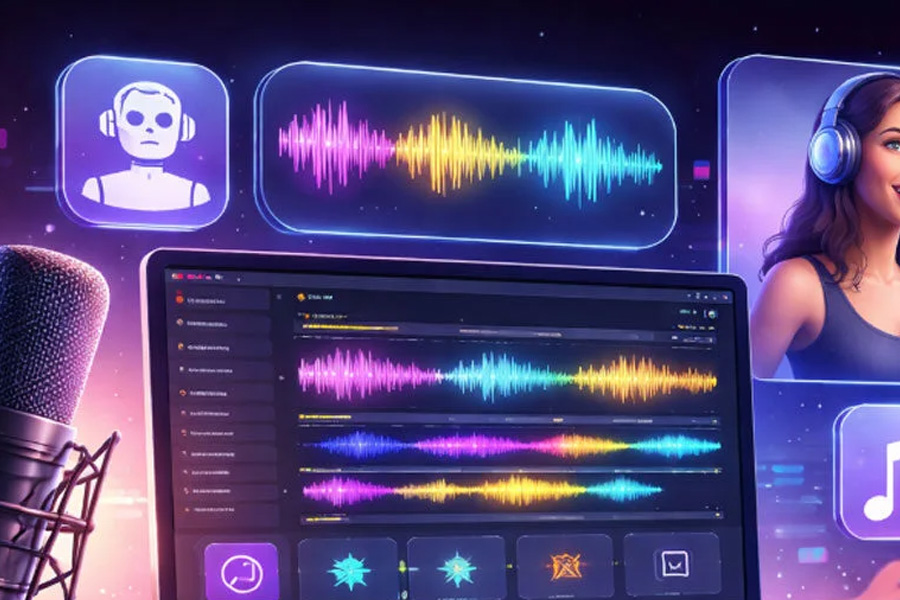
Sound is the new frontier for audience attention. Modern artists need more than graphics, from crisp promotional reel narrations to layered digital ad soundtracks. Texture, tempo, and the subtle rhythm that gives content emotional weight are sought. Minimax audio is a powerful tool for affordable professional voice and music creation.
What separates this tool from others is its accessibility. It translates written ideas into rich soundscapes that match intent and mood. Entrepreneurs, educators, and artists alike are experimenting with this technology to give their words a living, breathing presence. With careful prompting, the outcomes sound less like a machine and more like a trained performer captured in a recording booth.
Building Emotion with Synthetic Voices
A well-shaped voiceover can lift a simple message into something unforgettable. Using Minimax audio’s expressive range, creators can tune emotion as they would adjust light in a photograph. A bright tone for a product reveal. A calm yet persuasive delivery for training material. A whisper of excitement that guides a story forward.
Small touches matter. Strategic pauses between sentences create suspense or emphasis. Varying pitch and intensity adds warmth or authority. Just as photographers manipulate contrast to reveal depth, voice designers use emotion settings to shape listener perception. The effect is subtle but persuasive.
Many test versions offer fine calibration. A script may sound rapid one time and slow another. Creators acquire rhythm as readily as speaking by experimenting with emotional intensities and tempo. Over time, a sound intuition develops, allowing them to anticipate how wording and mood interact.
The Craft of AI-Generated Music
While synthetic voices often take the spotlight, the music generation capability in Minimax audio quietly expands creative boundaries. Structured song creation turns abstract ideas into complete arrangements with minimal friction. You can sketch the soul of a tune using plain language, then let the AI translate mood into melody.
Writing lyrics inside the platform feels like designing architecture. The foundation is meaning, but above that rise rhythm and repetition. Once the words are ready, choosing genre and instrumentation becomes a process of emotional selection rather than technical labor.
Pop arrangements arrive tidy. Acoustic options sound natural, with wood and air textures. Tech and lifestyle campaigns benefit from precise electronic pulse mixing. Users can tweak drum patterns, chord layers, and bass grooves without using a timeline editor in each genre.
When the generated output appears, it already contains the familiar structure of recorded music: intro, verse, chorus, bridge, and outro. This gives content creators music with internal flow rather than loose audio fragments that demand reconstruction.
Integrating Audio into Visual Storytelling
Sound anchors perception. It guides the viewer’s emotions, emphasizing what words or images alone may not convey. After generating voiceovers or songs, integration into visual projects becomes the next phase.
A consistent tone between spoken narration and imagery strengthens message coherence. A tech promo video, for instance, benefits from a neutral and confident voice that matches clean motion graphics. In contrast, a travel reel may call for warmth and familiarity in both voice and color palette.
Sound and image layers require balance. Background music should be somewhat lower than narration for clarity, and small pauses at critical periods allow visuals to breathe. Minimax audio-visual editing tools simplify alignment. In one setting, the creator can control rhythm and timing for both storytelling dimensions.
Subtle editing elevates professional polish. Removing long silences, trimming awkward breaths, and smoothing transitions create an experience that feels human-led even when entirely AI-driven.
Expanding Creative Workflow
Adopting Minimax audio brings a new form of efficiency. Projects that once required coordination with multiple freelancers now progress quickly within a single digital workspace. Teams can move from concept to completed sound file in the same afternoon.
For brand managers, this consistency is invaluable. A recognizable voice tone across all videos reinforces brand identity through repetition. Similarly, using recurring music motifs forms auditory branding, the sound equivalent of a visual logo. Customers begin to associate a harmonic pattern or voice character with a particular company without conscious thought.
Per campaign, marketers may create energetic narration for awareness advertising, tempered explanations for tutorials, and ambient instrumentals for background media. Being flexible is crucial. Feedback-trained iterations improve AI outputs, making them more creative.
The Art of Script Preparation
Production quality begins with language. Even powerful synthesis cannot fix confused or repetitive text. Good scripts use short, diverse phrases and good punctuation to mimic real discourse. Reading the content aloud reveals rhythm concerns before audio production.
Script emotional cues inspire expression. Simply saying “excited,” “confident,” or “gentle pause” helps the machine understand tone. It guides tempo and inflection like stage instructions in a script for live performers.
Testing variations is crucial. Two scripts with slight lexical differences might produce dramatically different energy. Continuous iteration sharpens an ear for phrasing that flows well through synthesized voices.
Small Business Applications
This tool’s scalability benefits small businesses. Short-form video ads, tutorials, and podcast intros can share a consistent voice. This cohesion boosts brand memory and credibility.
A café can use mellow acoustic tracks with a warm voiceover describing its roasted blends. A software startup could introduce features with crisp narration backed by light electronic motifs. In each case, the quality feels consistent across media, signaling attention to detail and professionalism.
Because the platform demands minimal technical expertise, entrepreneurs can manage their entire audio output internally. This autonomy transforms production timelines, turning an idea on paper into publishable media within hours instead of weeks.
Common Mistakes in AI Audio Production
Even with sophisticated automation, some pitfalls persist. Overly complex language can result in unnatural pacing or mispronunciation. Excessive jargon reduces clarity. Another issue arises when creators ignore context and reuse one emotion setting across all projects. Uniform tone drains vibrancy and shortens listener engagement.
Balance between speech and music is tricky. When background factors overshadow narrative, the meaning is unclear. Dry voices without atmosphere might sound sterile. A medium way that respects texture and clarity works best.
Creators should take note that AI voice pace scripts varies slightly from human versions. The performance includes every comma and period since machines read punctuation. This awareness helps edit writing without abrupt starts or hasty sections.
Future Impact of AI-Driven Sound
The growing overlap between artificial intelligence and creative industries signals a new chapter in digital storytelling. Tools like Minimax audio democratize production power once reserved for costly studios. They turn laptops into portable sound labs, where imagination sets the boundary.
As creators continue experimenting, the distinction between traditional and synthetic audio narrows. The real challenge will not be technical quality but creative direction. Technology provides the instruments; human intuition still composes the melody.
FAQ
Can Minimax audio produce different emotional tones?
Yes. Users can choose between pleasant, confident, and serious tone settings on the platform. Changes in tempo and voice accent highlight these emotions.
Is music creation included or separate?
Music and vocal generation operate within the same environment. Users can request full arrangements, including lyrics, genre, and instrumentation preferences, without external software.
How much technical skill is required?
The interface favors simplicity. A basic understanding of storytelling flow and genre selection is usually enough. No recording equipment or prior production knowledge is necessary.
Is it effective for branding projects?
It works exceptionally well for consistent branding because creators can store and reuse specific voice profiles. This keeps tone and style uniform across multiple marketing assets.
Can pronunciation be refined?
Yes. Spelling adjustments and clear punctuation affect articulation. Testing a few alternatives ensures names and technical terms are pronounced correctly.
Does the generated audio support editing after export?
Files can be edited inside or outside the platform. External tools may add equalization, effects, or mixing refinements as needed, giving full control over the final result.
Is there multilingual capability?
Several languages and accents are available. Before starting production, users can preview sample voices to choose the most suitable option for their audience.