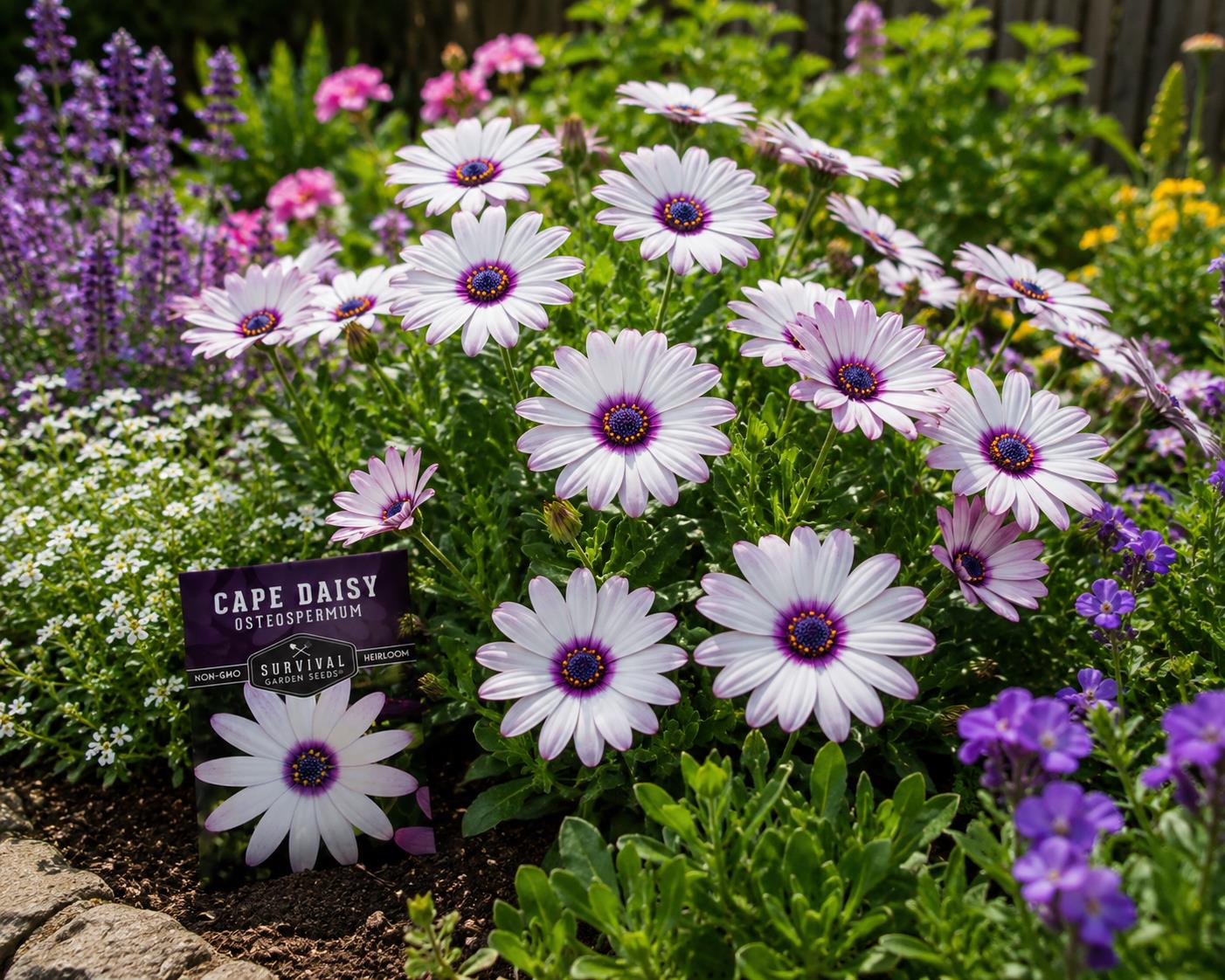
Some flowers demand constant attention, while others seem to thrive with very little effort. Daisies fall into the second category, which is one reason they have remained a favorite among gardeners for generations.
Gardeners researching daisy seeds often come across resources such as survivalgardenseeds.com while looking for flowers that are easy to grow and beneficial to the garden. Daisies offer much more than cheerful blooms. They can attract pollinators, support garden diversity, and provide season-long color with relatively little maintenance.
Why Daisies Have Been Garden Favorites for So Long
Few flowers are as recognizable as the daisy. Their bright petals and simple beauty make them a familiar sight in gardens around the world.
Easy for Beginners to Grow
One reason many gardeners start with daisies is their simplicity.
Daisy seeds are generally easy to germinate and do not require complicated growing techniques. This makes them a good choice for anyone planting flowers for the first time.
Adaptable to Different Growing Conditions
Many daisy varieties can tolerate a range of soil types and weather conditions.
While they perform best in suitable growing environments, they are often more forgiving than some ornamental flowers that require constant care.
Long-Lasting Garden Appeal
Daisies provide visual interest for an extended period during the growing season.
Their bright blooms help create a welcoming garden space while complementing vegetables, herbs, and other flowers.
Understanding How Daisy Seeds Grow
Knowing what to expect from the growing process helps gardeners achieve better results.
Germination and Early Growth
Like most flowers, daisies begin as tiny seedlings that gradually establish roots and foliage.
Consistent moisture during germination helps young plants get off to a strong start.
Developing Strong Plants
As seedlings mature, they begin producing larger leaves and stronger stems.
This stage is important because healthy plants are better equipped to support abundant blooms later in the season.
Flower Production
Once established, daisy plants begin developing buds that eventually open into their familiar flowers.
The timing varies by variety and growing conditions, but the results are often worth the wait.
Choosing the Best Location for Daisies
Location can have a major impact on flower production and overall plant health.
Give Them Plenty of Sunlight
Most daisy varieties perform best when they receive several hours of direct sunlight each day.
Good sunlight encourages stronger stems, healthier growth, and more blooms.
Use Well-Drained Soil
Daisies generally prefer well-drained soil.
Excess moisture around the roots can create growing problems, so selecting an appropriate location is important.
Consider Garden Design
Because daisies work well in flower beds, borders, and pollinator gardens, it helps to think about placement before planting.
Their bright flowers can complement many different garden styles.
Why Pollinators Love Daisies
One of the biggest benefits of growing daisies is the support they provide for beneficial insects.
Attracting Bees
Bees are naturally drawn to daisy flowers.
Their visits help support pollination throughout the garden and contribute to a healthier growing environment.
Welcoming Butterflies
Many gardeners enjoy seeing butterflies visit their flowers throughout the season.
Daisies can help create a more inviting space for these colorful visitors.
Supporting Garden Biodiversity
Gardens that attract a variety of insects often develop stronger and more balanced ecosystems.
Adding daisies can contribute to that diversity while enhancing the beauty of the space.
Caring for Daisy Plants Throughout the Season
Daisies are generally low maintenance, but a few simple practices can help maximize their performance.
Watering Consistently
Young plants benefit from regular watering as they become established.
Once mature, many daisy varieties are relatively resilient and require less frequent attention.
Removing Spent Blooms
Deadheading is the process of removing old flowers.
This simple task can encourage continued blooming and help plants maintain a tidy appearance.
Monitoring Plant Health
Occasional inspections allow gardeners to identify any issues early.
Healthy foliage and steady flower production are usually signs that plants are thriving.
Common Mistakes to Avoid When Growing Daisy Seeds
Even easy-to-grow flowers can benefit from proper planning.
Planting in Too Much Shade
Most daisies prefer sunny locations.
Too much shade can reduce flower production and weaken plant growth.
Overwatering
Excess water is a common mistake among new gardeners.
Allowing the soil to drain properly helps support healthier roots and stronger plants.
Crowding Plants Together
Adequate spacing improves airflow and allows each plant to reach its full potential.
Overcrowded flowers often compete for sunlight, water, and nutrients.
Why Daisy Seeds Are a Valuable Addition to Any Garden
A successful garden often combines beauty with practical benefits. Daisies accomplish both goals with ease.
Adds Reliable Color
Daisies provide bright blooms that can enhance a garden for much of the growing season.
Their classic appearance blends well with many other flowers and plants.
Supports Beneficial Insects
The ability to attract pollinators makes daisies useful beyond their appearance.
They contribute to a healthier environment for vegetables, herbs, and ornamental plants alike.
Requires Relatively Little Maintenance
Gardeners appreciate flowers that deliver strong results without demanding constant attention.
Daisies fit that description perfectly, making them an excellent choice for busy gardeners.
Why Daisy Seeds Continue to Be Popular
Gardening trends come and go, but some plants remain popular for good reason. Daisies have earned their place through their beauty, adaptability, and ability to support pollinators.
Whether you are creating a flower garden, improving a pollinator habitat, or simply adding more color to your yard, daisy seeds offer a straightforward and rewarding growing experience that can be enjoyed by gardeners of all skill levels.