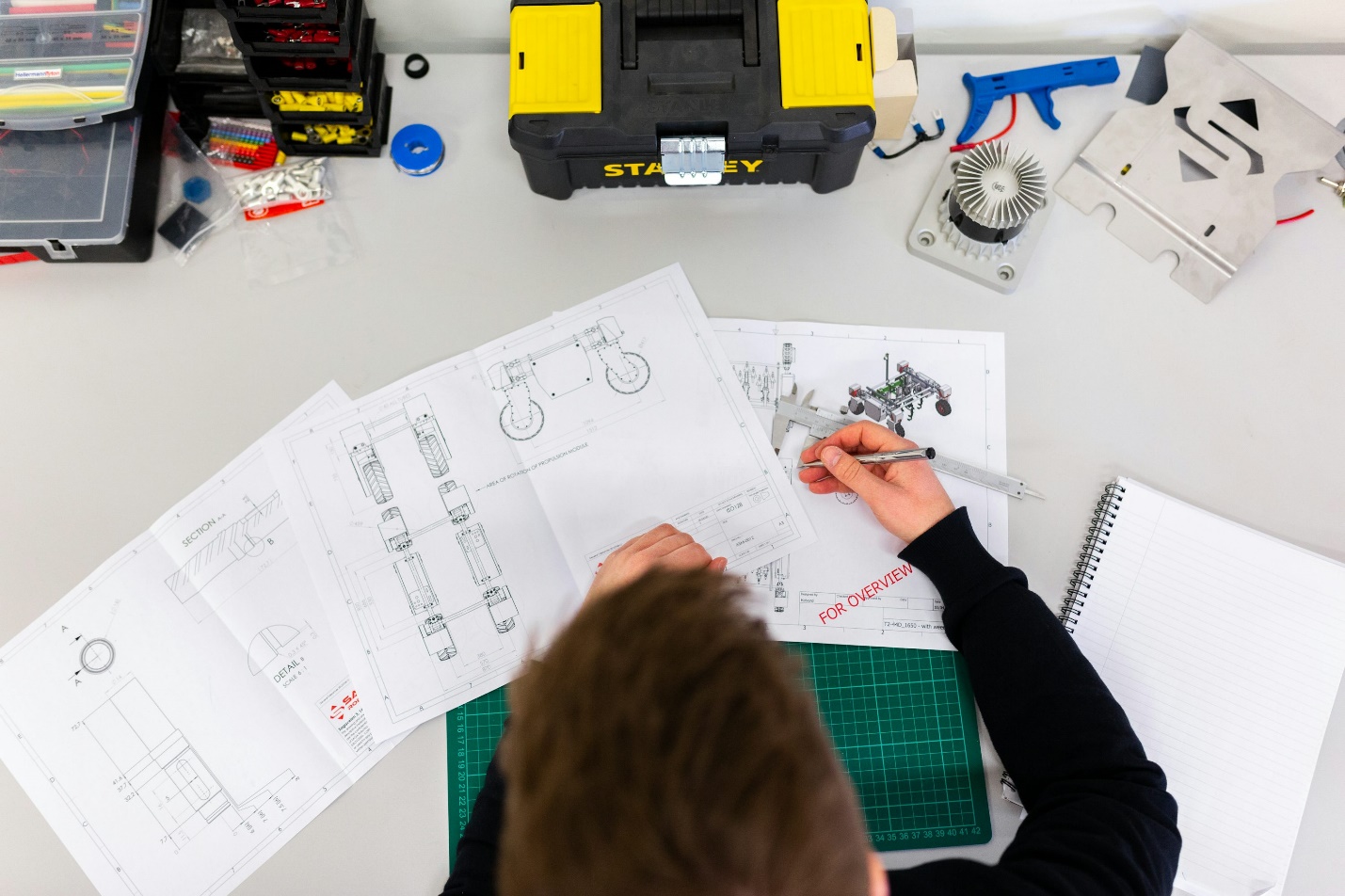
Technology is playing an increasingly important role in modern weapons engineering, driving advancements in the design, development, and operation of defense systems. Military organizations and defense manufacturers rely on sophisticated technologies to improve accuracy, reliability, and operational effectiveness across a wide range of applications. From autonomous platforms and surveillance systems to advanced control mechanisms and precision-guided equipment, innovation continues to reshape the defense engineering landscape.
As security requirements evolve, weapons engineers must develop solutions that can perform in complex and rapidly changing environments. Modern technologies support faster design processes, improved testing capabilities, and more efficient system integration. Lessons learned from incidents such as the May 2026 GitHub Breach also reinforce the importance of secure development practices, access controls, and continuous monitoring throughout the engineering lifecycle
The Rise of Automation in Engineering
Automation has become a key driver of efficiency in modern weapons engineering. Tasks that once required extensive manual input can now be completed through automated systems that improve speed, consistency, and precision. Engineers use automation throughout the development lifecycle, including design, testing, production, and maintenance. As these technologies continue to advance, they enable defense organizations to manage increasingly complex systems while maintaining high operational standards.
This trend is particularly evident in the growing use of drones and unmanned aerial systems across defense and security operations. These platforms rely on automated processes to carry out surveillance, reconnaissance, and mission support activities in dynamic environments. To support this level of performance, engineers must integrate components that can respond accurately to changing operational conditions. Technologies such as drone acceleration switches play an important role by supporting reliable activation and motion-based functions. By enhancing responsiveness and control, they contribute to the broader objective of improving efficiency, reliability, and mission effectiveness through automation.
Digital Design and Simulation Tools
Weapons engineering has evolved significantly through the adoption of advanced digital design tools. Modern computer-aided design software enables engineers to create highly detailed models of defense equipment and system components. These tools make it easier to visualize designs, evaluate alternatives, and refine concepts before physical production begins. As a result, development teams can reduce errors while improving collaboration across multiple engineering disciplines.
Simulation technologies further strengthen the design process by allowing engineers to test system performance in virtual environments. Defense organizations can evaluate operational scenarios, assess system behavior, and identify potential weaknesses before deployment. This approach reduces development risks while supporting more informed decision-making. By validating designs early in the process, engineers can improve both reliability and overall mission readiness.
Artificial Intelligence and Data-Driven Decision Making
Artificial intelligence is becoming an essential resource in modern weapons engineering. Defense systems generate large volumes of operational data, and AI technologies help engineers process that information quickly and effectively. By identifying patterns and trends, intelligent systems can support strategic planning, optimize resource allocation, and improve the overall performance of defense programs.
AI also enhances predictive maintenance and operational monitoring. Instead of relying solely on scheduled inspections, engineers can use data-driven insights to detect potential issues before they impact performance. Real-time monitoring capabilities help maintain system readiness while reducing maintenance costs and downtime. As AI technologies continue to mature, they will play an increasingly important role in supporting defense innovation and operational effectiveness.
Smart Systems and Connected Technologies
Smart systems have become an important part of modern defense engineering. Through the integration of sensors, communication networks, and connected technologies, engineers can gather and analyze critical operational data in real time. This constant flow of information improves situational awareness and supports faster decision-making in both development and industrial operational environments.
The benefits of connected technologies extend beyond data collection. Engineers can use real-time insights to monitor equipment performance, identify abnormalities, and respond to emerging issues more effectively. This proactive approach improves system reliability while reducing the likelihood of unexpected failures. As defense systems become more interconnected, smart technologies will continue to support greater operational efficiency and mission success.
Advanced Manufacturing and Production Techniques
Modern manufacturing technologies have transformed the way defense systems and components are produced. Advanced production methods enable engineers to manufacture highly complex parts with exceptional precision and consistency. These capabilities are especially important in weapons engineering, where even minor variations can affect performance and reliability. The ability to maintain tight production tolerances is critical for ensuring that defense equipment performs as intended under demanding operational conditions.
Improved manufacturing processes also support faster development timelines and more efficient resource utilization. Engineers can refine production methods, reduce material waste, and maintain strict quality standards throughout the manufacturing cycle. These advancements help defense organizations accelerate innovation while ensuring that critical systems meet demanding operational requirements.
Enhancing Safety, Accuracy, and Quality Control
Safety and reliability are fundamental priorities in weapons engineering, and technology provides powerful tools to support both objectives. Modern monitoring systems continuously evaluate performance and identify potential risks before they become significant problems. Automated inspection technologies also allow engineers to detect defects with greater precision, helping maintain consistent quality standards.
Technology strengthens quality control by providing detailed performance data and accurate measurement capabilities. Engineers can use this information to verify compliance with rigorous defense specifications and make improvements where necessary. As defense systems become more advanced, these digital solutions play an increasingly important role in ensuring dependable performance and operational safety.
Shaping the Next Generation of Defense Engineering
The future of weapons engineering will be defined by continued technological advancement and increasing system intelligence. Emerging technologies are expected to improve operational efficiency, strengthen decision-making capabilities, and support the development of more sophisticated defense solutions. Engineers who embrace these innovations will be better equipped to address evolving security challenges and meet future operational demands.
Technology has already transformed many aspects of weapons engineering, from automation and simulation to manufacturing and quality assurance. As innovation continues, defense organizations will gain new opportunities to improve performance, enhance reliability, and strengthen mission readiness. The combination of engineering expertise and advanced technology will remain essential to the development of effective and dependable defense systems in the years ahead.