With the rapid advancement in telecommunications technology, the demand for high-speed data transmission solutions has never been greater. A pivotal component driving this evolution is the Fibre Optic Cable. These cables have revolutionised how information is transferred worldwide, offering unprecedented speeds and reliability.
Understanding Fibre Optic Technology
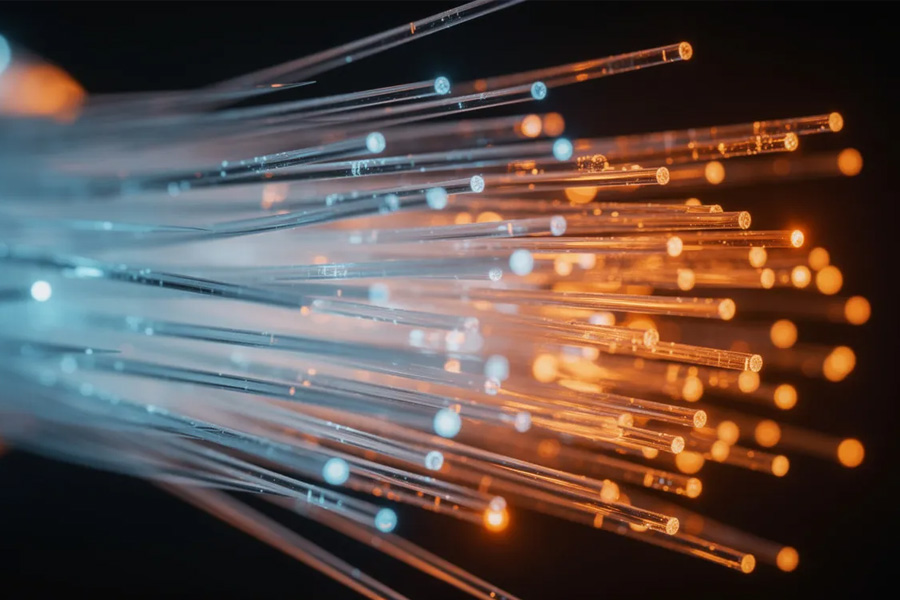
Fibre optic technology involves the transmission of data as light pulses through strands of glass or plastic fibres. This method stands in sharp contrast to traditional copper cables, which rely on electrical signals. The use of light allows for much faster transmission speeds and an increase in bandwidth, enabling vast amounts of data to be sent and received almost instantaneously.
Benefits of Fibre Optic Cables
The primary benefits of fibre optic cables are their speed and efficiency. Optical fibres can transmit data over longer distances without loss of signal quality compared to copper wires. Furthermore, they are immune to electromagnetic interference, which ensures a stable and secure data transfer process.
Enhanced Speed and Bandwidth
One of the standout features of fibre optic cables is their ability to support higher bandwidths. This means more data can travel over these cables compared to their copper counterparts. This capability is crucial for industries that handle massive datasets, such as video streaming and cloud computing.
Increased Reliability and Durability
Fibre optic cables are known for their reliability and long-term performance. They are more durable than copper cables and are less prone to degradation over time. This durability makes them a cost-effective choice for long-term infrastructure projects.
The Role of Fibre Optics in Telecommunications
Fibre optics are at the heart of modern telecommunications systems. They are essential for broadband internet, telephone networks, and other forms of data communication. The ability to transmit data at high speeds and with precision is transforming how businesses and individuals communicate across the globe.
Supporting Technological Advancements
As technologies evolve, the infrastructure that supports them must also advance. Fibre optic cables are integral to this evolution, setting the foundation for innovations such as 5G networks and IoT (Internet of Things) applications.
Facilitating Global Connectivity
The global connectivity provided by fibre optic cables is essential for the digital economy. They help bridge the gap between distant regions, ensuring that even remote areas can access high-speed internet and participate in the information age.
Conclusion
Fibre optic cables are an indispensable part of modern infrastructure. As demand for faster, more reliable data transmission solutions continues to grow, fibre optics will play a critical role in meeting these needs. By investing in and adopting fibre optic technology, organisations can ensure they remain at the forefront of communication advancements.
In summary, the consistent development and deployment of fibre optic cables signify a new era in data transmission, characterised by speed, efficiency, and global connectivity.