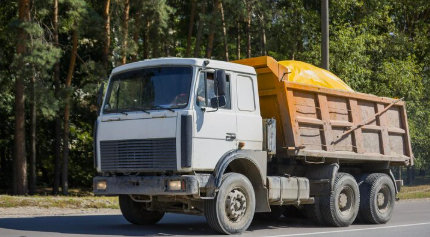
Waste transport and material handling have changed significantly over the past decade as businesses look for faster, more efficient ways to manage heavy loads across construction, demolition, landscaping, and commercial cleanup projects. While traditional tipping trucks once dominated local transport fleets, many operators are now shifting toward specialised equipment that offers greater flexibility and operational efficiency. One vehicle that has become increasingly common in modern fleet operations is the skip truck, which has gradually replaced many general-purpose tippers in day-to-day waste management work.
This transition reflects broader industry demands for faster turnaround times, safer loading systems, and more adaptable transport solutions.
Fleet Operators Need Greater Flexibility
Modern waste collection and transport projects often involve varied job sizes, multiple collection points, and changing material types throughout the day. Traditional tippers were effective for bulk transport, but they lacked the flexibility required for more dynamic operations.
Skip-loader trucks allow operators to transport removable bins directly between sites without needing separate loading equipment. This ability to quickly swap containers has made skip systems far more practical for businesses handling mixed waste streams and short-term projects.
Fleet managers increasingly value equipment that can perform multiple functions while reducing operational delays.
Urban Worksites Require Smarter Equipment
Construction and waste removal projects are now commonly carried out in dense urban areas where access is limited and space is restricted. Traditional tipping vehicles often require large maneuvering areas and fixed unloading zones that are not always practical in tight environments.
Skip-loader systems provide greater flexibility in confined spaces because bins can be dropped off and collected independently from the truck itself. This allows projects to continue filling containers while the vehicle services other locations.
The ability to work efficiently within crowded city environments has become a major reason skip-loader fleets continue expanding.
Faster Turnaround Improves Productivity
Time efficiency is one of the most important factors influencing fleet decisions today. Businesses managing construction debris, green waste, industrial materials, or commercial rubbish need vehicles that minimise downtime between jobs.
Skip-loader trucks reduce delays by allowing drivers to quickly exchange full bins with empty ones rather than waiting for unloading at disposal facilities before returning to the site. This system keeps projects moving while improving vehicle utilisation across multiple jobs each day.
Faster turnaround times help operators handle larger workloads without significantly increasing fleet size.
Waste Segregation Has Become More Important
Modern waste management practices place much greater emphasis on sorting and recycling materials properly. Construction companies, councils, and commercial operators now separate waste streams more carefully to improve recycling outcomes and meet environmental requirements.
Skip bins make segregation easier because different containers can be assigned to specific materials such as concrete, timber, green waste, metals, or mixed rubbish. Traditional tippers often lacked this level of separation flexibility.
As sustainability regulations become stricter, skip-loader systems are helping businesses improve compliance and reduce landfill dependency.
Safety Standards Have Influenced Fleet Choices
Safety expectations within transport and construction industries have increased considerably in recent years. Operators now prioritise equipment that reduces manual handling risks and improves loading stability during transport.
Skip-loader trucks use hydraulic lifting systems that simplify container loading and unloading while minimising physical strain on workers. The controlled lifting process also improves stability when transporting heavy waste materials.
Modern fleet decisions increasingly focus on reducing workplace hazards while improving operational consistency across busy worksites.
Smaller Businesses Benefit From Skip Systems
Skip-loader trucks are not only being adopted by large waste companies. Many smaller operators and independent contractors now prefer skip systems because they offer scalable and versatile transport solutions.
Landscapers, renovators, demolition crews, and construction contractors can all benefit from having dedicated waste containers delivered directly to project sites. Once full, bins can be removed quickly without interrupting ongoing work.
This flexibility has expanded the demand for skip-loader services across a wide range of industries beyond traditional waste management.
Technology Has Improved Fleet Efficiency
Fleet technology has also contributed to the growing popularity of skip-loader systems. GPS tracking, route optimisation software, and digital scheduling platforms help operators coordinate container deliveries and pickups far more efficiently than before.
Real-time communication allows dispatchers to adjust routes quickly based on traffic, customer demand, or project changes. This improves fuel efficiency while helping companies complete more jobs within shorter timeframes.
Modern technology has made skip-loader fleets more organised, responsive, and cost-effective than many older transport systems.
Maintenance and Versatility Matter
Another advantage of skip-loader vehicles is their long-term versatility. Instead of dedicating trucks to a single transport function, skip systems allow operators to service many different industries using interchangeable containers.
This adaptability improves fleet utilisation while reducing the need for multiple specialised vehicles. Businesses can switch between construction debris, commercial waste, landscaping materials, and industrial cleanup work using the same transport platform.
Versatile equipment helps operators remain competitive while responding to changing market demands more effectively.
Environmental Expectations Are Changing the Industry
Public awareness around waste management and sustainability continues growing rapidly. Businesses are under increasing pressure to demonstrate environmentally responsible disposal practices and reduce unnecessary landfill contributions.
Skip systems support these goals by making waste separation and recycling more manageable throughout collection and transport processes. This improved organisation aligns with modern environmental regulations and customer expectations.
As industries continue moving toward greener operational models, flexible waste transport systems are becoming even more valuable.
Why Skip-Loader Trucks Continue Gaining Popularity
The gradual shift away from general-purpose tippers reflects how waste management and transport operations are evolving. Modern businesses require equipment that is flexible, efficient, safe, and adaptable to changing project demands.
Skip-loader trucks provide practical advantages that suit today’s urban worksites, recycling requirements, and fast-paced operational environments. From improved productivity to better waste segregation, these systems are helping reshape how local fleets approach material transport and waste collection across multiple industries.