People are getting much more honest about how exhausted modern life actually feels. Constant notifications, packed schedules, work pressure, overstimulation, poor sleep, and nonstop mental noise pushed a lot of individuals into routines where functioning became more important than feeling good. For years, self-care was treated like an extra. Something people squeezed in occasionally after everything else was handled first.
Modern wellness culture looks different. In places like Spring Hill, wellness routines are becoming part of ordinary life instead of occasional “pamper yourself” moments. People are booking skincare appointments regularly, protecting sleep schedules, redesigning homes around relaxation, taking mental recovery seriously, and openly talking about burnout in ways that felt uncommon years ago.
Let’s discuss this further below:
Wellness Becomes Maintenance
A big reason self-care became central to wellness culture is that people stopped treating wellness like emergency recovery. Instead of waiting until they feel completely burned out, overwhelmed, or emotionally drained, many individuals now build smaller wellness habits directly into their normal routines before things spiral.
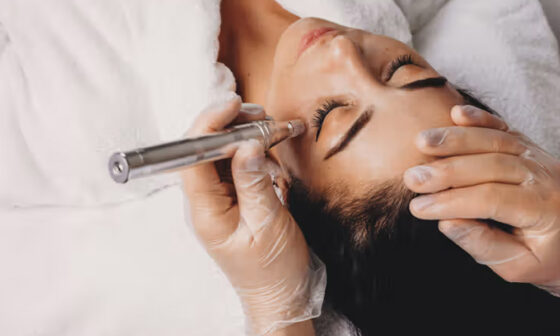
As such, this completely changed how aesthetic wellness fits into modern life, too. Treatments that once felt luxurious or occasional now feel more connected to regular maintenance and confidence routines. Many people visit the famous MedSpa in Spring Hill the same way they schedule hair appointments, fitness classes, or wellness check-ins because skincare and personal upkeep increasingly connect with how people feel emotionally day to day. Services like derma fillers, skin treatments, and laser treatments are now often part of broader self-care habits tied to confidence, personal comfort, and feeling refreshed rather than dramatic transformation.
Wellness Feels More Valuable
Younger generations, especially, are changing what they spend money on because traditional “luxury” does not feel emotionally satisfying in the same way anymore. Expensive purchases lose their excitement quickly once people feel mentally drained most of the time. A lot of individuals would rather spend money on experiences that actually help them feel rested, calmer, healthier, or emotionally reset instead of constantly chasing status-driven purchases.
Wellness culture keeps expanding into everyday life. A quiet weekend, a skincare appointment, a massage, a wellness retreat, or even creating a calmer home environment now feels more valuable to many people than buying things meant only for appearance or social display. Some individuals also explore relaxation-focused experiences like erotic massages as part of broader wellness and stress-relief routines centered around physical comfort, emotional release, and personal well-being.
Prevention Starts Replacing Recovery
One of the biggest changes in wellness culture is the move away from crisis-based habits. People spent years normalizing stress until their body or mind finally forced them to slow down. Exhaustion became expected. Burnout became common. Wellness now focuses much more heavily on prevention because many individuals have realized recovery becomes much harder once stress piles up for too long.
Hydration, movement, skincare, emotional breaks, sleep routines, and reducing overstimulation all became part of wellness conversations because people are trying to maintain stability before reaching complete exhaustion. Modern self-care often looks less dramatic now because consistency matters more than occasional “reset” moments.
Sleep Stops Feeling Optional
Sleep became one of the biggest priorities in modern wellness culture because people finally started connecting exhaustion to almost everything else they were struggling with daily. Poor sleep affects emotional patience, appearance, concentration, stress tolerance, energy, motivation, and even social interaction. Most individuals reached a point where functioning while exhausted stopped feeling normal or sustainable anymore.
This realization changed nighttime habits pretty significantly. Bedrooms became calmer. Evening routines became quieter. Many people now actively protect sleep schedules instead of constantly sacrificing rest for work, scrolling, or social obligations. Sleep-focused wellness products, calming nighttime routines, reduced screen exposure, and recovery-based habits all grew because people finally started treating rest like real maintenance instead of leftover time at the end of the day.
Taking Care of Yourself Stops Feeling Selfish
A huge reason self-care became more dominant is that people finally became more open about needing emotional recovery without feeling guilty about it constantly. For a long time, rest got associated with laziness, and burnout got treated almost like proof of ambition. That mindset left many people emotionally exhausted while pretending everything felt manageable.
Now conversations look very different. People openly talk about burnout, overstimulation, therapy, emotional fatigue, boundaries, mental health days, and needing personal recovery time. Wellness culture normalized those conversations because too many individuals realized constant stress was quietly affecting every part of life.
Homes Start Feeling Like Recovery Spaces
Wellness culture changed home design pretty dramatically because people now want their living spaces to help them decompress instead of overstimulating them further. Loud decor, cluttered rooms, harsh lighting, and nonstop visual noise started feeling emotionally draining once people became more aware of how heavily environments affect stress levels daily.
As such, calmer home spaces became so popular. Softer lighting, cleaner layouts, quieter bedrooms, natural textures, cozy corners, and reduced clutter all connect directly to modern self-care habits now. People increasingly want homes that feel emotionally comfortable the second they walk inside. The house itself became part of the wellness routine.
Emotional Recovery Becomes Normal Conversation
Years ago, many individuals quietly pushed through burnout without discussing it openly because slowing down felt embarrassing or unproductive. Now, emotional recovery appears in normal conversations constantly.
People talk about needing downtime after social overload. They openly mention mental fatigue, overstimulation, emotional burnout, or the need for quiet routines. That openness matters because it changed how wellness itself gets viewed. Recovery is no longer treated like weakness or failure. It increasingly feels like something necessary for functioning properly long-term.
Hustle Culture Starts Losing Its Appeal
Constant hustle culture used to dominate wellness conversations completely. Busy schedules, overworking, sleeping less, and always staying productive are often treated like success. A lot of people now look at that lifestyle very differently because they experienced what long-term exhaustion actually feels like physically and emotionally.
Modern self-care culture pushes back against that pressure in pretty noticeable ways. More people value slower mornings, flexible schedules, quiet weekends, emotional balance, and realistic routines instead of constantly chasing productivity every hour of the day. Success now looks different for many individuals because feeling mentally stable and physically rested holds much more importance than appearing endlessly busy all the time.
Social Media Opened the Conversation
Social media played a huge role in normalizing wellness culture because people suddenly started seeing honest conversations about burnout, therapy, stress, skincare, sleep problems, anxiety, emotional recovery, and even modern beauty standards everywhere online. Those discussions made many individuals realize they were not the only ones struggling with exhaustion or overstimulation constantly.
Such visibility changed how people approach self-care personally. Wellness stopped feeling private or embarrassing. People openly share routines, recovery habits, skincare recommendations, emotional struggles, and boundaries now because the conversation has become much more normalized socially.
Self-care now connects to sleep, emotional recovery, confidence, appearance, and everyday balance in ways that feel more practical than performative. Wellness is taking the lead because many individuals no longer want to spend years functioning while constantly depleted physically and mentally.