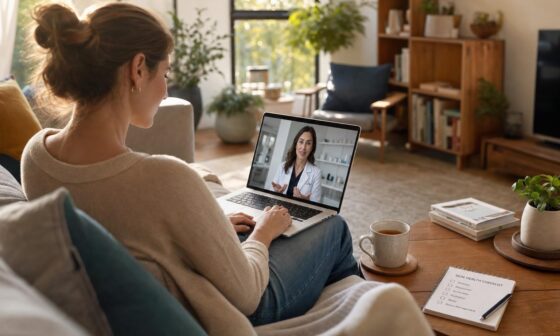
It’s hard to scroll through social media or watch a show without noticing how much appearance is emphasized. Perfect skin, ideal body shapes, and carefully styled looks are everywhere. Over time, these images start to shape how people think about beauty, and more importantly, how they see themselves.
Modern beauty standards are part of everyday life, influenced by social media, online platforms, and digital interactions. The constant exposure makes it easy to compare, even when we know the images we see are often edited or filtered.
These standards don’t just stay on the screen. They begin to influence real decisions, what people wear, how they style themselves, and even how they approach self-care. In some cases, they go further, shaping deeper personal choices.
To understand how this happens, it’s important to look at where these standards come from and how they affect the way people think and act.
The Rise of Digital Influence on Beauty Standards
The digital world has completely changed how beauty is perceived. Social media platforms are filled with curated images that often represent a very specific version of attractiveness. Filters, editing tools, and carefully chosen angles make it easy to present an idealized look that may not reflect reality.
As people scroll through these images daily, it becomes natural to compare. This comparison can influence how individuals feel about their own appearance. Even when someone knows that images are edited, the repetition of certain features, clear skin, symmetrical faces, and specific body types, can make those features seem like the standard.
This shift has also affected how people present themselves online. Profile pictures, photos, and first impressions are often carefully chosen to match these expectations. Over time, appearance becomes closely linked to how people feel they are perceived by others.
In fact, discussions around the connection between dating apps and plastic surgery show how digital platforms can influence the way individuals think about their appearance, especially when first impressions are based largely on photos. These insights help explain why people may feel pressure to meet certain visual expectations in order to feel confident or accepted.
The more these patterns repeat, the stronger their influence becomes. Digital spaces are no longer just places for connection—they actively shape how beauty is defined and pursued.
How Beauty Standards Shape Personal Decisions
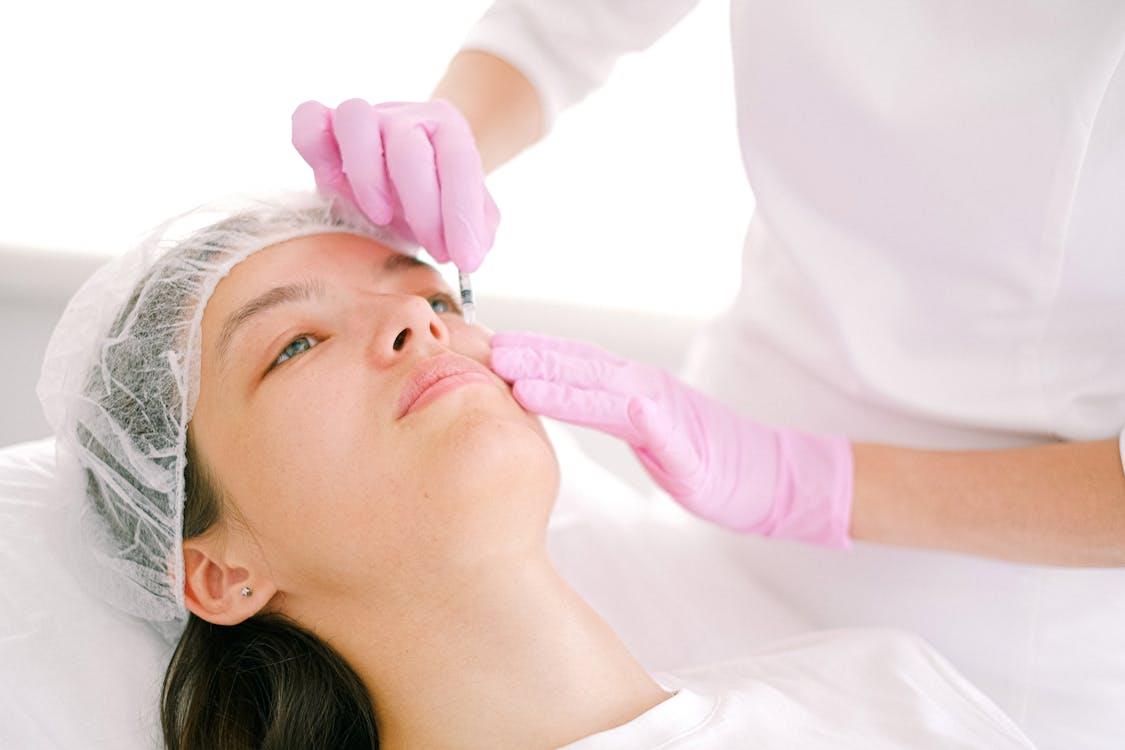
Beauty standards don’t just influence thoughts—they shape actions. Many everyday decisions are affected by how people want to present themselves. From clothing choices to grooming habits, individuals often adjust their routines to align with what they see as attractive. Some individuals also explore beauty enhancement procedures such as buccal fat removal to achieve facial features that reflect current beauty trends.
Skincare and fitness are two areas where this influence is especially visible. People invest time and effort into routines that promise to improve their appearance. While these habits can be positive, they are sometimes driven by the desire to meet external expectations rather than personal comfort.
Trends also play a big role. Styles that become popular online quickly spread, leading people to follow them even if they don’t fully match their own preferences. This can make it harder for individuals to develop their own sense of style.
Over time, these decisions can affect confidence. When choices are based on comparison rather than personal preference, it can create a cycle where satisfaction depends on meeting certain standards.
The Psychological Impact of Beauty Expectations
The influence of beauty standards goes beyond physical choices—it also affects mental well-being. Constant comparison can lead to feelings of insecurity, especially when expectations feel unrealistic.
Many people experience pressure to maintain a certain appearance, even when it requires effort that isn’t sustainable. This pressure can lead to stress and frustration, particularly when results don’t match expectations.
There’s also a noticeable gap between online images and real life. Edited photos create an ideal that is difficult to achieve, which can make real appearances feel inadequate by comparison.
Over time, this can impact self-esteem. Instead of focusing on personal strengths, individuals may focus on perceived flaws. This shift in perspective can affect confidence in both personal and social situations.
Recognizing these effects is important. Understanding that many standards are created through digital influence can help people approach them with a more balanced mindset.
The Role of Media and Marketing
Media and marketing play a major role in shaping beauty standards. Advertisements often highlight specific features as desirable, reinforcing certain ideas about appearance.
Celebrities and influencers also contribute to this influence. Their visibility makes their appearance seem like a benchmark, even though it may not reflect everyday reality. Repetition of these images strengthens their impact.
At the same time, there has been a gradual shift toward more inclusive representation. Different body types, skin tones, and styles are becoming more visible, offering a broader view of beauty.
While this progress is encouraging, traditional standards still have a strong presence. Understanding how media influences perception helps individuals make more informed choices.
Changing Attitudes Toward Self-Image
As awareness grows, more people are beginning to question traditional beauty standards. There is a stronger focus on individuality and authenticity rather than fitting into a single definition of beauty.
Movements that promote self-acceptance have gained attention, encouraging people to appreciate their natural features. This shift helps reduce the pressure to conform to unrealistic expectations.
Social media, despite its influence, also provides space for diverse voices. People are sharing their experiences and challenging narrow standards, which helps create a more balanced perspective.
These changes don’t happen overnight, but they show that beauty standards are not fixed. They evolve over time, shaped by culture and conversation.
Finding Balance in a Beauty-Driven World
Living in a world where appearance is constantly highlighted can be challenging, but it’s possible to find balance. One of the first steps is being mindful of the content you consume. Not everything you see represents reality, and understanding that can reduce the urge to compare.
Setting personal standards is also important. Instead of following trends, focus on what feels comfortable and authentic to you. This approach helps build confidence that isn’t dependent on external validation.
Self-care should be about well-being rather than appearance alone. Taking care of your body and mind creates a stronger foundation for confidence.
Finding balance means recognizing the influence of beauty standards without letting them define your choices.
Modern beauty standards have a strong influence on personal choices, shaping how people think, act, and present themselves. While these standards are constantly evolving, they don’t have to define individual identity.
By understanding where these influences come from and how they affect behavior, it becomes easier to approach them with awareness. Focusing on authenticity and personal comfort helps create a more positive and balanced perspective.
True confidence doesn’t come from meeting external expectations. It comes from understanding yourself, embracing your individuality, and making choices that align with your own values.