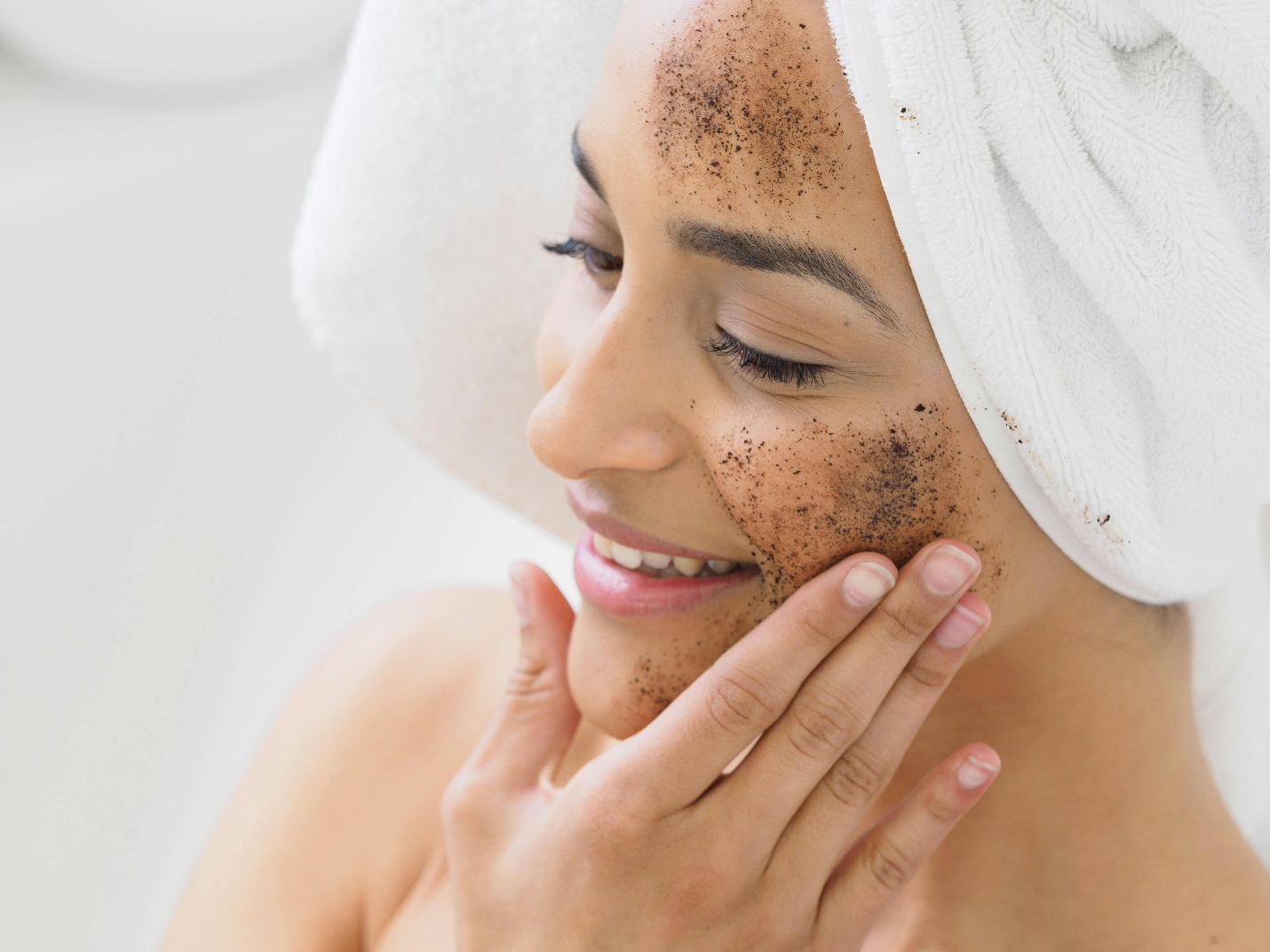
People usually notice their skin after a rough day under bright bathroom lights when everything suddenly looks more tired than expected. Dryness sticks around, breakouts heal more slowly, and the face starts reflecting the stress people have been ignoring for weeks. Work, errands, poor sleep, and constant rushing catch up quietly. Most of it builds so gradually that people stop noticing until the discomfort becomes hard to brush off.
In Long Island City, daily routines can be rough on skin without people realizing how much the environment plays into it. Between traffic pollution, changing weather, long commutes, office air conditioning, and constant screen exposure, skin tends to stay under stress most of the week. Even people who drink water and try to follow decent routines still deal with irritation, dullness, or uneven texture because modern city living pulls moisture and balance away from the skin faster than most people expect.
Understanding the Role of Modern Self-Care
A lot of people still think skin care is mostly cosmetic, like it only matters for appearance or vanity. But skin reacts to stress the same way the rest of the body does. Sleep problems show up there. Poor hydration does too. Long work hours, anxiety, inconsistent meals, and even constant indoor air can slowly affect how skin feels and functions. Sometimes, the first sign that someone is burned out is sitting right there on their face before they fully notice it themselves.
Modern self-care has shifted a bit because people are starting to connect skin health with overall wellness instead of treating it like a separate issue. That does not always mean dramatic treatments or complicated routines either. For many people, it simply means paying attention earlier instead of waiting until irritation, redness, or uneven texture becomes difficult to manage. Discussions around aesthetic services in Long Island City have grown partly because people want practical ways to support healthier skin while balancing stressful schedules and demanding work routines that rarely slow down anymore.
Skin Is Part of the Body
People treat skin like a cosmetic issue sometimes, but it works hard every single day without much attention. It deals with heat, cold air, pollution, sunlight, sweat, bacteria, shaving, makeup, and changing weather almost nonstop. When skin becomes irritated or overly dry, daily life starts feeling different in small ways. Sleep gets interrupted, discomfort becomes constant, and confidence shifts a little, even if nobody talks about it openly.
A lot of people now just assume looking exhausted is normal because stress has become part of everyday routine. The mental side matters too. Ongoing irritation, itching, or breakouts wear people down slowly over time. It is not dramatic, but constant physical discomfort tends to affect mood, focus, and overall well-being more than most people realize.
Stress Shows Up
The body responds to stress in strange ways sometimes. Some people get headaches. Others lose sleep or feel tension in their shoulders constantly. Reactions happen, too, though they are often dismissed as random flare-ups instead of signals that the body is struggling a bit underneath the surface.
Stress hormones can increase oil production, worsen inflammation, and slow down healing. That is why breakouts often appear during busy work periods, travel, or emotionally difficult stretches. Even people who generally have no issues notice changes during stressful months.
Modern routines do not help much either. Many people spend entire days under artificial lighting while staring at screens for hours. Meals get skipped. Water intake drops. Sleep schedules become uneven. Then people wonder why their skin suddenly feels dull or reactive despite buying expensive products every few months.
Quick Fix Culture Does Not Work Very Well
A lot of wellness culture now revolves around speed. Fast workouts, instant delivery, overnight improvement, ten-minute routines. Skin does not really work that way, though, which frustrates people because visible results usually take consistency more than intensity.
Some overcorrect when problems appear. They buy harsh products, layer too many treatments together, or constantly switch routines after seeing online trends. That often results in irritation. The barrier becomes weakened, moisture balance shifts, and sensitivity increases. Then the cycle starts over again.
Simpler routines usually hold up better long-term. Gentle cleansing, proper hydration, sunscreen, and enough sleep still matter more than most trendy products. Professional guidance can help too, especially when people stop guessing and start understanding what they actually need instead of chasing whatever social media pushes that month. It sounds boring compared to dramatic before-and-after photos online, but steady habits tend to work better in real life.
Preventive Care Usually Costs Less Than Repairing Damage Later
People believe in preventive care for almost everything except skin. They service cars early and visit dentists before problems get worse, yet many ignore skin health until damage becomes obvious. Sun exposure builds slowly over the years, and pollution does the same thing in quieter ways. Texture changes, dryness, and uneven tone usually appear gradually, not overnight. Hydration and proper rest still matter more than trendy routines people see online every week.
Skin tends to function better when the body is consistently cared for. Professional treatments can help too when basic routines stop working, but most long-term improvement usually comes from maintenance, not chasing perfection.
Self-Care Is Usually About Consistency, Not Luxury
People sometimes imagine self-care as expensive spa visits or elaborate routines involving twenty products lined across a bathroom counter. Most of the time, it is much less dramatic than that. Real self-care often looks repetitive and ordinary.
Washing your face before bed, even when tired, matters. Wearing sunscreen consistently matters. Drinking enough water during busy workweeks matters, too, though people forget. Getting enough sleep probably matters more than half the products being advertised right now.
Skin responds slowly because the body responds slowly. That part can feel annoying in a culture built around quick results, but it is probably healthier that way. Long-term habits matter far more than occasional intense efforts. A person does not need flawless skin to be healthy. That was never really the point. But treating skin health like part of overall self-care usually leads to something more useful anyway, which is feeling physically comfortable in your own body instead of constantly fighting against it.