Adult acne can be confusing and frustrating, especially when you thought you had moved past breakouts years ago. You may wake up to a sudden pimple before an important event or deal with stubborn spots that just do not go away. If this sounds familiar, you are not alone. Many adults experience acne well into their 20s, 30s, and even later. The good news is that adult acne is common, and there are clear reasons behind it. Once you understand what is causing your breakouts, it becomes much easier to manage them and improve your skin over time.
Understanding Adult Acne and When to Seek Help
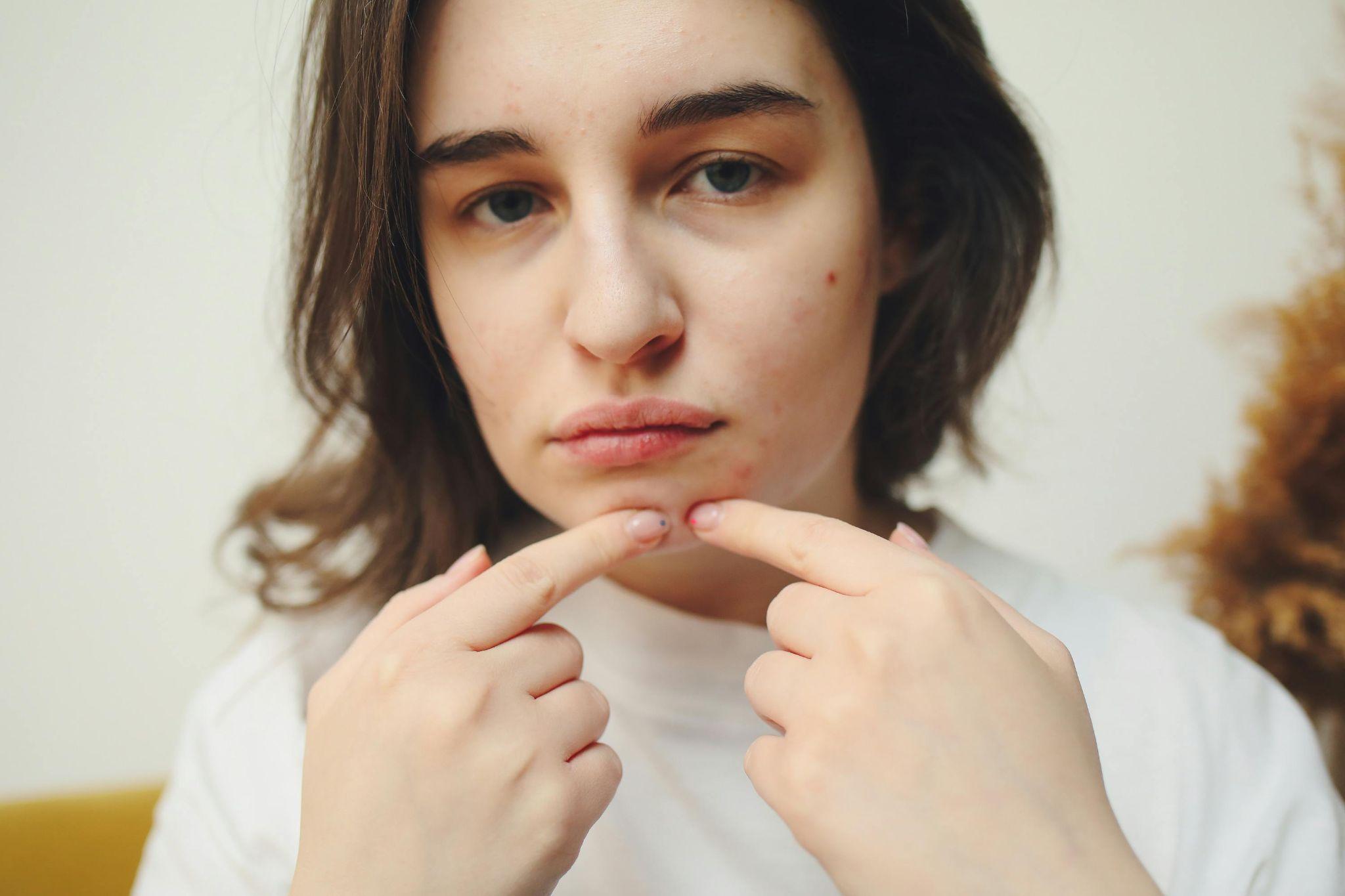
Adult acne is not always the same as teenage acne. It often appears around the lower part of the face, especially the chin, jawline, and cheeks. These breakouts can feel deeper, more painful, and slower to heal. While mild acne may improve with basic skincare, ongoing or severe breakouts may need more targeted care.
If your acne does not improve with home care, professional treatments can offer more effective results. A trained clinician can assess your skin and recommend options that fit your needs. These may include prescription creams, oral medications, or treatments like chemical peels and extractions. Many people turn to acne treatment services for a more structured and personalized approach that targets the root cause of breakouts.
Professional care is especially useful for deeper or more painful acne. It can also help prevent scarring and reduce the chance of long-term marks. Having expert guidance can take the guesswork out of your skincare routine and help you see better results faster.
Common Causes of Adult Acne
There are several reasons why acne can continue into adulthood or appear later in life. Hormonal changes are one of the most common causes. These changes can happen during menstrual cycles, pregnancy, or menopause. Stress is another major factor. When you are stressed, your body produces more oil, which can clog pores and lead to breakouts.
Your skincare routine can also play a role. Using products that are too heavy or not suited for your skin type can block pores. Diet may also have an effect, especially if it includes a lot of sugar or processed foods. Lastly, genetics can influence your skin. If acne runs in your family, you may be more likely to experience it as well.
How Hormones Affect Your Skin
Hormones have a strong impact on how your skin behaves. When hormone levels shift, your skin may produce more oil than usual. This extra oil mixes with dead skin cells and can clog pores. Once pores are clogged, bacteria can grow, leading to inflammation and acne.
This is why many adults notice breakouts at certain times, such as before their period. Hormonal acne often appears in patterns and can be more difficult to treat with basic products. Understanding this connection can help you choose the right treatment and avoid products that may make things worse.
Daily Habits That May Be Making Acne Worse
Sometimes, small daily habits can have a big impact on your skin. Touching your face often can transfer dirt and bacteria, which can lead to breakouts. Not removing makeup properly can also clog pores overnight. Using harsh products may strip your skin, causing it to produce even more oil.
Skipping sunscreen is another common mistake. Sun damage can irritate the skin and make acne marks more noticeable. Even items you use every day, like pillowcases and phone screens, can collect bacteria and affect your skin if not cleaned regularly.
Lifestyle Changes That Support Clear Skin
Your lifestyle choices can have a direct impact on your skin. Eating a balanced diet that includes whole foods can support overall skin health. Reducing sugar and processed foods may help some people see fewer breakouts.
Managing stress is also important. Simple activities like walking, stretching, or taking time to relax can help lower stress levels. Getting enough sleep allows your skin to repair itself. Regular exercise can improve circulation, but it is important to cleanse your skin after sweating to prevent clogged pores.
Simple Skincare Tips That Actually Help
Keeping your skincare routine simple can make a big difference. Start with a gentle cleanser and use it twice a day to remove dirt and oil. Look for products labeled noncomedogenic, which means they are less likely to clog pores.
Ingredients like salicylic acid can help clear pores, while retinoids can support skin renewal. It is important to introduce new products slowly to avoid irritation. Consistency is key. Sticking to a routine, even when results are not immediate, can lead to long-term improvement.
Staying hydrated and getting enough sleep also supports healthy skin. These small habits work together to create a strong foundation for clearer skin.
Myths About Adult Acne
There are many common myths about acne that can lead to confusion. One of the biggest myths is that acne only affects teenagers. In reality, many adults deal with it as well. Another myth is that washing your face more often will clear acne. Overwashing can actually irritate your skin and make things worse.
Some people believe that sun exposure helps acne, but it can damage the skin and lead to other issues. There is also a belief that only oily skin gets acne, but people with dry or combination skin can experience breakouts too. Understanding these myths can help you make better decisions for your skin.
When to Be Patient and When to Act
Treating acne takes time, and it is important to stay patient. Many products and treatments need several weeks to show results. Switching products too often can irritate your skin and slow progress.
At the same time, it is important to know when to seek help. If your acne is painful, spreading, or leaving marks, it may be time to talk to a professional. Early treatment can prevent more serious issues and help you regain control over your skin.
Adult acne can feel like an ongoing challenge, but it is something you can manage with the right approach. By understanding the causes, building simple and consistent habits, and knowing when to get expert help, you can improve your skin over time. Clearer skin is possible, and small steps can lead to lasting results.