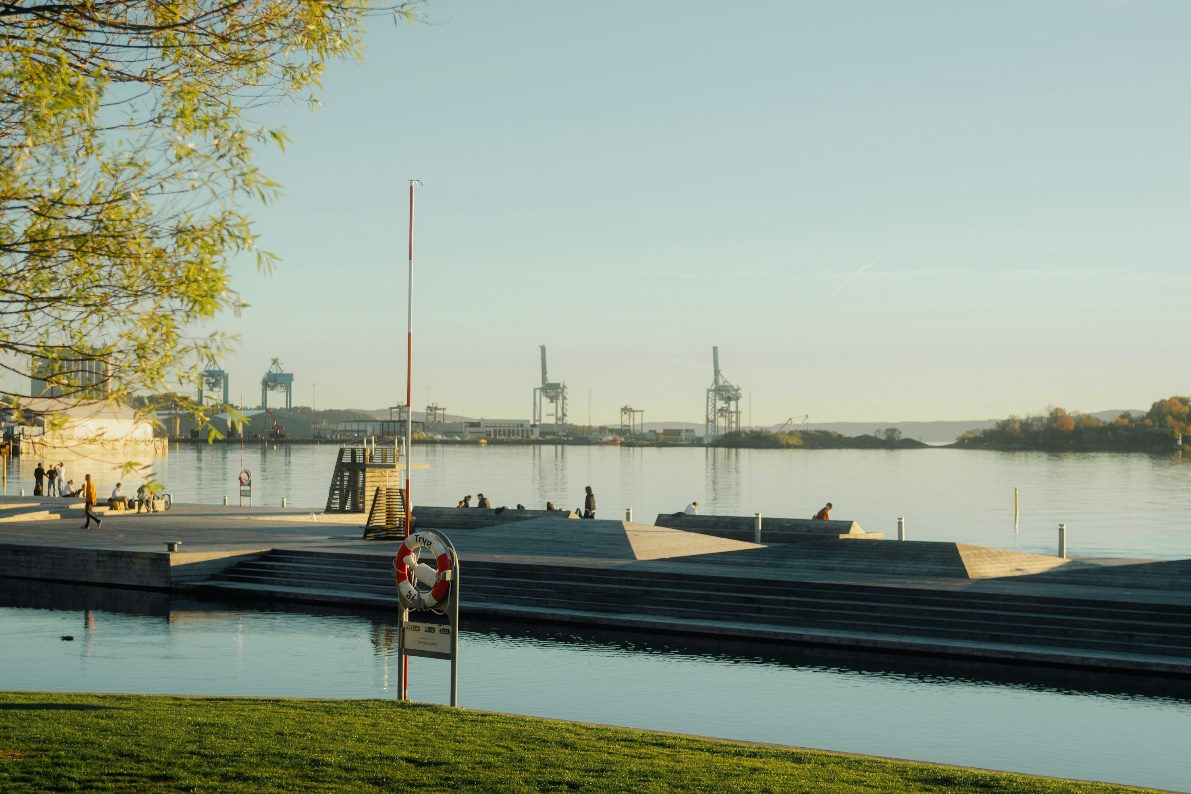
Waterfront homes, private docks, and nearby boats create unique challenges when it comes to rodent prevention. Open shoreline access, moisture-exposed structures, and outdoor storage spaces can make these properties more vulnerable to unwanted activity. Even well-maintained homes may face recurring problems when exterior areas are left unprotected.
Protecting these properties requires consistent attention to both residential and waterfront structures. Exterior maintenance, better organization, and routine inspections all help reduce the conditions that attract rodents. When homeowners address weak spots early, they can create a cleaner and more secure environment around the property.
Strengthening Vulnerable Areas Near the Water
Boat storage compartments and covered dock spaces often make it easier for rodents to stay hidden near the water. This is especially true for property owners trying to prevent rats from settling around boats and waterfront equipment.
Poorly maintained marine areas give rats access to food residue, nesting spots, and dark enclosed spaces that remain undisturbed for long periods. Regular inspections around waterfront equipment help property owners spot signs of rats before the problem spreads closer to residential structures.
Most waterfront property owners rely on professional marine pest control to keep rats away when maintaining boats and shoreline equipment. Addressing these vulnerable areas early helps support a cleaner environment around nearby docks and residential waterfront spaces.
Sealing Exterior Openings Around the Home
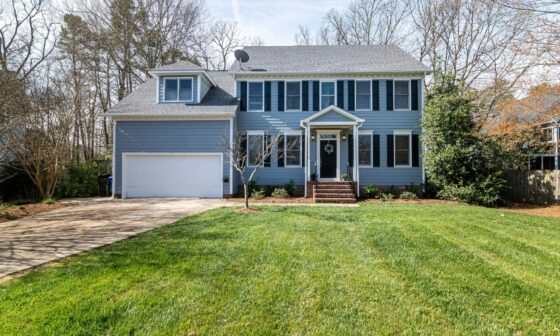
Small cracks and gaps around a waterfront home can create easy access points for different types of rodents. Constant exposure to humidity and changing weather conditions may weaken exterior materials faster than expected. Areas around utility lines, siding, and foundations should be inspected carefully throughout the year.
Door frames and window edges also deserve close attention. Damaged weather seals and loose trim can leave enough space for unwanted entry. Replacing worn materials and sealing visible openings creates a stronger barrier around the home.
Garage doors should close tightly without visible gaps near the bottom edge. Crawl spaces and utility access panels should remain secure as well. These small improvements can make a significant difference in preventing outdoor activity from moving indoors.
Exterior vents should also be checked regularly for damage or loose coverings that may create hidden entry points. Staying consistent with these repairs helps waterfront homeowners maintain a stronger and more secure exterior throughout the year.
Keeping Dock Areas Clean and Organized
Dock spaces often collect ropes, fishing gear, storage containers, and seasonal equipment that create sheltered hiding spots. Cluttered corners make inspections more difficult and allow signs of activity to go unnoticed.
Maintaining an organized dock area improves visibility and reduces protected spaces around the property. Outdoor supplies should remain stored properly when not in use, and damaged materials should be removed promptly. Sealed containers help protect equipment while reducing access to food residue or nesting materials.
Routine cleaning also plays an important role in prevention. Outdoor surfaces should stay free from trash buildup and leftover debris that may attract pests over time.
Trimming Landscaping Near Waterfront Structures
Overgrown landscaping creates shaded pathways between shoreline areas and residential structures. Bushes pressed tightly against walls or dock supports provide cover while making exterior inspections more difficult.
Keeping shrubs and plants trimmed away from the property improves visibility and airflow. Tree branches hanging over rooftops should also be cut back to reduce easy access to upper sections of the home. Open exterior space helps homeowners notice maintenance concerns earlier.
Ground-level debris should receive equal attention. Wood piles, heavy vegetation, and neglected landscaping near walkways or seawalls can quickly become nesting areas. Consistent maintenance supports a cleaner and more manageable outdoor environment.
Upgrading Materials Exposed to Moisture
Waterfront properties face constant exposure to moisture, which can slowly weaken exterior surfaces and structural materials. Damaged trim, softened wood, and deteriorating panels may eventually create openings that allow rodents to enter hidden areas.
Replacing worn materials with stronger alternatives improves durability throughout the property. Dock supports, outdoor storage structures, and exterior wall sections should remain in solid condition to reduce weak points. Even small repairs can help prevent larger problems later.
Roof edges and soffits also require regular inspections. Moisture-related damage near these areas may remain hidden until significant repairs become necessary. Strong exterior materials support better long-term protection around the home.
Improving Outdoor Lighting Around Exterior Spaces
Dark exterior areas around waterfront properties can make activity harder to detect during evening hours. Pathways, storage corners, dock entrances, and seawall edges all benefit from better lighting coverage.
Motion-activated lighting helps improve visibility while reducing concealed areas around the property. Consistent lighting near entrances and walkways also supports safer movement outdoors and makes routine inspections easier.
Lighting upgrades do not need to overpower the property to remain effective. Even moderate improvements around commonly used areas can help reduce hidden activity and support regular maintenance efforts.
Protecting Outdoor Storage Areas
Waterfront homes often include outdoor sheds, storage benches, and utility spaces used for seasonal equipment and maintenance supplies. When these spaces become cluttered or poorly sealed, they can create attractive shelter for rodents.
Storage containers should remain elevated whenever possible and protected with secure lids or strong doors. Moisture-resistant containers help protect stored items while limiting hidden spaces where pests may settle. Cardboard boxes should be replaced with more durable alternatives that hold up better in humid environments.
Regular inspections help identify small issues before they spread further throughout the property. Damaged vents, loose panels, and cracks near the base of storage structures should be repaired promptly.
Maintaining Consistent Exterior Upkeep
Long-term rodent prevention depends on steady exterior maintenance throughout the property. Small maintenance issues can slowly create conditions that attract unwanted activity when left unresolved.
Outdoor surfaces should remain clean, gutters should stay clear, and drainage areas should function properly to avoid standing water. Trash containers should stay sealed tightly and positioned away from entry points whenever possible.
Consistent attention to exterior conditions helps protect both residential and waterfront areas from avoidable damage. A clean and well-maintained property creates fewer opportunities for rodents to settle near the home, dock, or surrounding shoreline structures.