Have you noticed how owning a home now feels a little like managing a small business? In Salem, rising repair costs, wild weather swings, and higher insurance premiums are pushing homeowners to think ahead instead of reacting late. Smart maintenance habits are no longer about keeping things neat for the neighbors. They protect your savings, your safety, and your sanity when life decides to throw a leaking pipe into your weekend plans.
Stop Waiting for Things to Break
A surprising number of homeowners still treat maintenance like a smoke alarm. If nothing is beeping, everything must be fine. That mindset gets expensive fast because small problems rarely stay small. A clogged gutter quietly turns into siding damage, and a weak roof shingle suddenly becomes a living room bucket situation during a storm. Many repairs that seem minor during dry weather become urgent emergencies once heavy rain, freezing temperatures, or strong winds arrive and expose weaknesses homeowners ignored for months without realizing the growing risk.
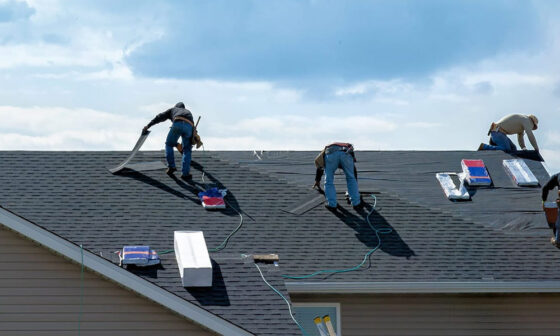
The smarter approach is building a monthly inspection routine that takes less than an hour. Check under sinks for moisture, inspect windows for drafts, and look for cracks around doors and foundations. Homeowners who work with Salem roof replacement companies often learn the hard way that missing one loose flashing piece can lead to thousands in water damage. Prevention costs less than panic almost every time.
Treat Your Roof Like a Financial Asset
People baby their cars with oil changes yet ignore the structure protecting everything they own. Roofs now face harsher conditions than they did a decade ago because storms are becoming more intense in many parts of the United States. Insurance companies have noticed, and they are adjusting rates accordingly.
A roof inspection twice a year can extend the life of your home dramatically. Look for curled shingles, moss growth, dark streaks, and soft spots around vents. Trim nearby branches before storm season because one falling limb can create damage that spreads through insulation and drywall within hours. The irony is that homeowners often spend more time researching streaming services than understanding the condition of the roof over their heads.
Water Is Quiet Until It Is Catastrophic
Most major home disasters start with water. Not fire. Not wind. Water. A tiny leak behind a washing machine hose can destroy flooring before anyone notices a problem. That is why experienced homeowners keep an eye on water pressure, utility bills, and strange smells.
Modern leak detectors are inexpensive and easy to install near water heaters, sinks, and sump pumps. They send alerts directly to your phone before damage spreads. Considering how many Americans now work remotely, protecting a home office from hidden leaks has become even more important. Nothing ruins a Monday meeting faster than explaining why your ceiling suddenly resembles a waterfall exhibit at an aquarium.
Clean Gutters Matter More Than People Think
Gutters are one of the least glamorous parts of a house, which explains why so many homeowners pretend they do not exist. Then autumn arrives, leaves pile up, and rainwater starts overflowing exactly where it should not. Foundation cracks and basement flooding often begin with neglected gutters.
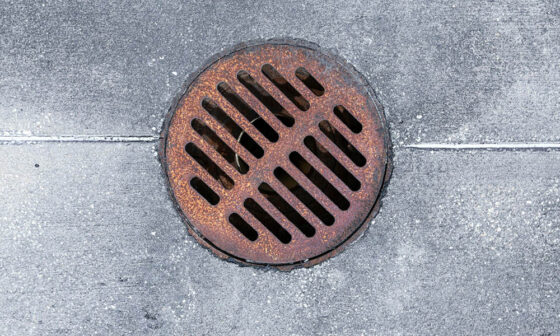
Cleaning gutters at least twice a year protects siding, landscaping, and structural stability. Install guards if trees surround your property, but do not assume guards eliminate maintenance completely. They simply reduce buildup. Downspouts should direct water several feet away from the foundation because standing water slowly weakens concrete. Home maintenance often works like dental care. The boring routines prevent the painful bills later.
HVAC Systems Need Attention Before Extreme Weather Hits
Americans love climate control, especially during record-breaking heat waves and freezing winter snaps. Yet many people ignore their HVAC systems until the air conditioner stops working during the hottest week of July. Repair companies know this pattern well, which is why emergency service calls usually come with premium pricing.
Replace filters every one to three months, depending on pets and dust levels. Schedule professional servicing before summer and winter arrive because technicians are easier to book during slower seasons. Dirty filters force systems to work harder, increasing energy costs and shortening equipment life. With utility bills climbing in many states, efficient heating and cooling are no longer just about comfort. It is a basic financial strategy.
Pest Problems Start Smaller Than You Think
Most infestations begin quietly. A few ants near the kitchen sink or scratching sounds in the attic seem harmless at first. Then suddenly there are repair bills, damaged insulation, and panic searches for exterminators at midnight. Pests move fast once they find food, moisture, or shelter.
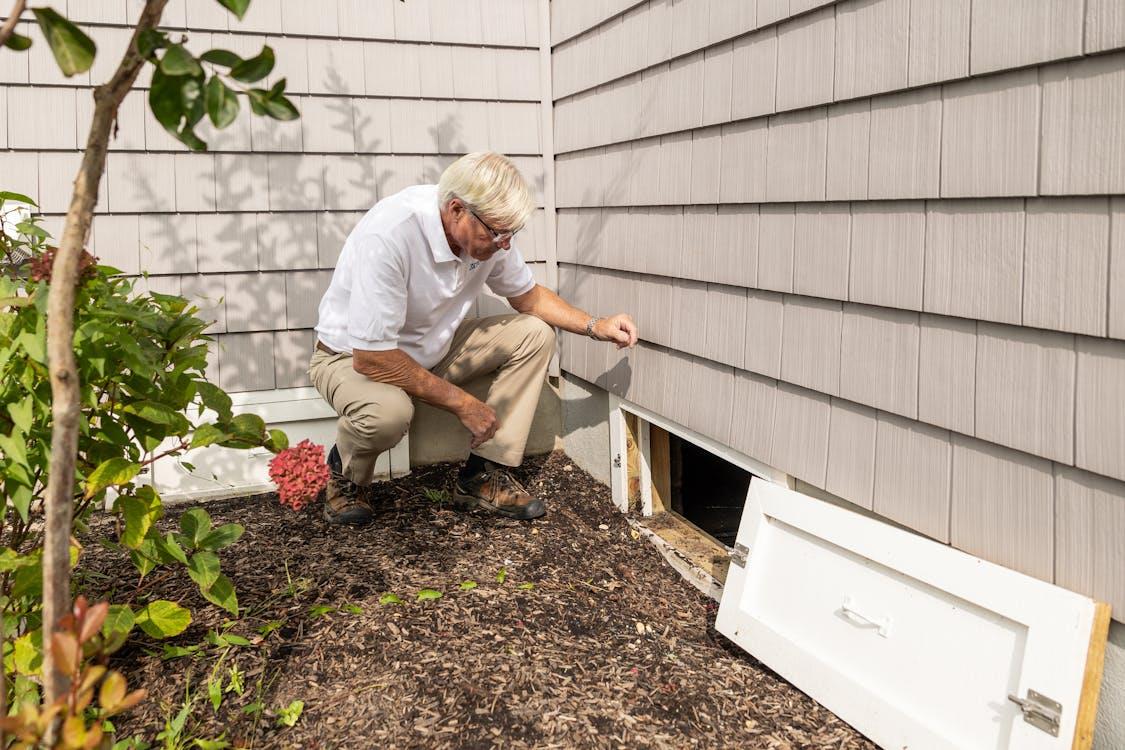
Seal cracks around foundations, store food properly, and keep wood piles away from exterior walls. Moisture control is especially important because insects and rodents thrive in damp spaces. Regular attic and crawl space inspections help catch problems before they grow. The funny part is that homeowners often spend hundreds decorating outdoor patios while raccoons secretly move into the attic rent-free.
Small Exterior Repairs Prevent Massive Costs
Peeling paint, cracked caulking, and loose siding may seem cosmetic, but they usually signal deeper wear. Exterior damage exposes homes to moisture, temperature shifts, and pests. Once the weather gets inside, repair costs rise quickly.
Walk around your property every season and inspect surfaces carefully. Re-caulk windows when gaps appear, repaint exposed wood before rot starts, and repair cracked pathways that could become safety hazards. Home values depend heavily on curb appeal, especially in competitive housing markets where buyers notice neglected details immediately. A house does not need to look luxurious, but it should look cared for because neglect sends a message people can spot instantly.
Maintenance Calendars Beat Good Intentions
Many homeowners genuinely plan to stay organized. Then life gets busy, work deadlines pile up, and suddenly nobody remembers the last time the dryer vent was cleaned. Smart maintenance works best when it becomes automatic instead of optional.
Create a seasonal checklist and keep it simple enough to follow consistently. Spring can focus on gutters and landscaping, summer on exterior repairs, fall on heating systems, and winter on insulation checks. Digital reminders help because memory alone is unreliable. Homeownership has become more demanding in recent years, but disciplined habits make it manageable. The people who avoid expensive surprises are rarely lucky. They are simply paying attention before problems become emergencies.