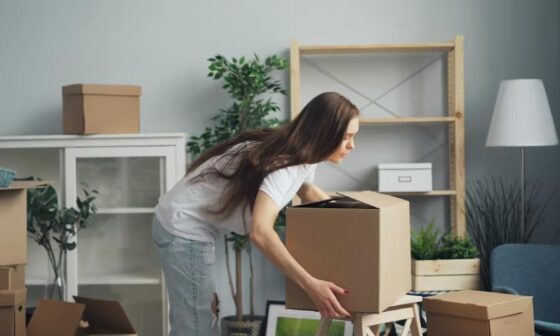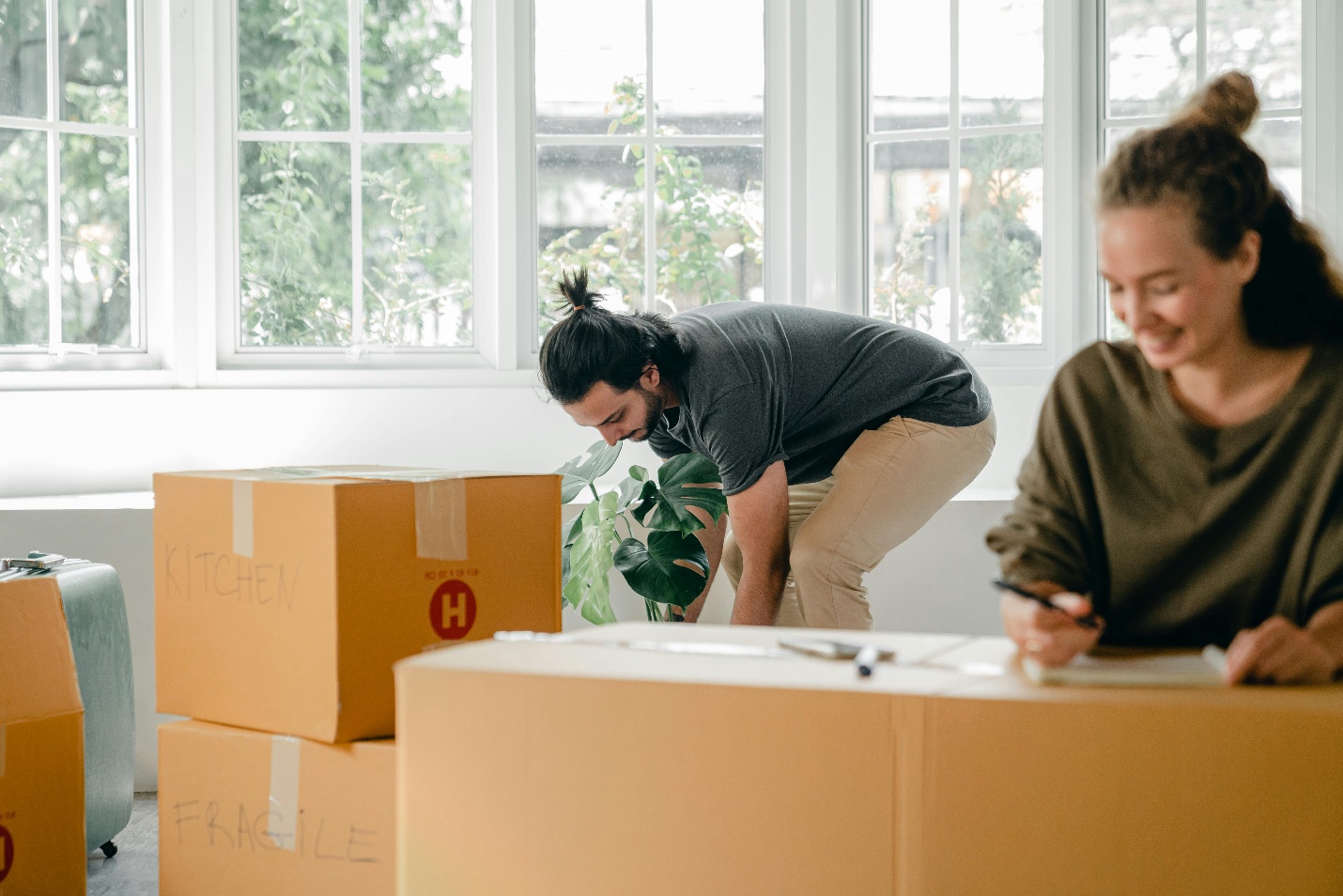
The strange part about moving is that the hardest work usually starts before a single box gets taped shut. People think the stress comes later, during the drive or the unpacking, but most of the frustration actually builds inside the house itself. Closets get emptied, drawers stop closing properly, and suddenly every room feels like evidence of decisions that were delayed for years.
In Orlando, relocation challenges tend to feel even heavier because homes often hold more than people realize. Garages become storage zones, spare bedrooms slowly turn into mixed-purpose spaces, and outdoor areas collect furniture or seasonal items that nobody planned to move until the deadline gets close. Families there often start the process assuming packing will be manageable, then discover the house itself needs far more preparation than expected before anything can really begin.
Preparing the House Takes Longer Than People Expect
Most homeowners underestimate how much work happens before moving day actually arrives. Packing is only one part of it. The house has to be organized first, and that becomes difficult when people are still living a normal daily life at the same time.
Children still need rides to school. Work meetings still happen. Dinner still needs to be made somewhere between stacks of boxes and half-empty cabinets. That overlap creates stress because the house slowly stops functioning normally while people are still trying to live inside it.
A lot of families also discover they own far more than they thought. Storage spaces hide clutter pretty effectively for years until somebody has to sort through it all at once. Closets, basements, garages, kitchen drawers. Things pile up slowly enough that people stop noticing.
That is why homeowners usually spend more time planning logistics than they originally expected. Researching schedules, figuring out timelines, and comparing professional long distance movers in Orlando becomes part of a much larger process that involves preparing the entire house for transition. Most people are not simply moving furniture. They are trying to untangle years of routines, storage habits, paperwork, and daily life packed into one property.
Decluttering Becomes More Emotional Than Practical
People talk about decluttering like it is just organizing shelves and filling donation bags, but moving usually turns it into something heavier than that. Ordinary things suddenly feel harder to get rid of because they carry memories people forgot were attached to them. Old furniture, school papers, random cords nobody understands anymore. Somehow, it all starts feeling important once boxes come out.
A lot of families avoid the stress by packing everything quickly, which usually backfires later. The same clutter follows them into the next house, and unpacking becomes frustrating fast. Preparing slowly works better, even if it feels tedious at first. Clearing rooms early, donating usable items, and throwing away broken junk saves far more stress than people expect later on.
The Condition of the Home Starts Mattering More
Moving furniture around exposes parts of the house that people stopped noticing years ago. Scratches appear behind couches, closet walls show old stains, and floors suddenly look rough once rugs get rolled up. Small issues that felt invisible before start standing out everywhere at once.
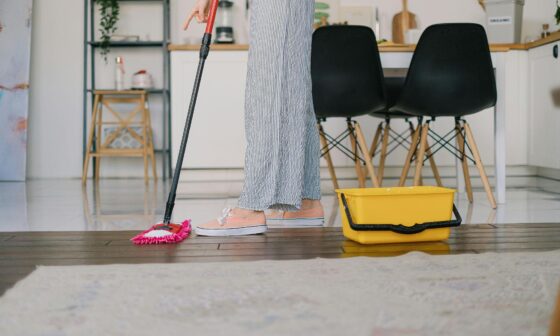
Some problems are cosmetic, but others affect the move itself. Weak stairs, loose railings, narrow hallways, or poor lighting become real headaches once heavy boxes start moving through the house. There is usually pressure from inspections or buyers, too, which makes ignored repairs feel urgent very quickly. Even deep cleaning changes the mood of the place. Once clutter disappears, homeowners sometimes realize the house feels calmer and lighter than it has in years.
Technology Changed Moving Stress in Strange Ways
Moves are more connected to work life now than they used to be. Years ago, families could disappear for a few days during relocation without much disruption. That does not happen as easily anymore.
People work remotely, answer emails constantly, and rely on a stable internet for daily income. Home offices cannot simply disappear into random boxes for a week. Chargers, routers, laptops, monitors, and work documents all need careful handling because modern routines depend on them immediately after arrival.
At the same time, technology quietly created more clutter, too. Homes contain more devices, cables, accessories, and electronics than they did twenty years ago. People often discover entire drawers filled with old phones, unused remotes, outdated gaming systems, or mystery chargers nobody recognizes anymore. That accumulation makes packing feel more complicated than expected because electronic items usually require extra sorting and protection.
Families Feel the Pressure Differently
Adults often focus on logistics during relocation, but children react more emotionally to the disruption itself. Bedrooms slowly change as decorations come down and boxes replace familiar routines. Kids notice that uncertainty even when adults try to keep things calm.
Pets react, too, honestly. Dogs get anxious when strangers start carrying boxes through the house. Cats disappear into hidden corners once furniture starts moving around. The environment changes gradually, and animals usually notice it before people do. That is why keeping some routines stable matters during a move. Regular meals, normal bedtimes, familiar blankets or toys. Those small things help the house feel less chaotic while everything else changes around it.
The House Stops Feeling Normal Before the Move Happens
The weird part about moving is how the house starts feeling unfamiliar before anybody actually leaves. Rooms empty out slowly, cabinets stop holding everyday things, and the whole place sounds different once the walls are not covered with furniture anymore. Normal routines get messy fast. People live off takeout because the kitchen barely works, laundry piles up somewhere nobody can find, and important papers always seem to disappear at the worst time.
Even exciting moves feel unsettling during that stage. Homes prepared early usually handle the stress better because rooms stay usable longer and problems get solved before they snowball. Most smooth moves are not problem-free. People just gave themselves enough breathing room before everything became urgent at once.