Lighting is one of the most overlooked (but vitally important) parts of home design.
It is the basis for every room’s feel and function. In its absence, even the most expensive furnishings are lame. And the best part is…….
Most people only use one type of lighting at home.
That’s a big no-no. The secret to a magazine-worthy home isn’t one gussied-up fixture — it’s layering three different types of lighting. This guide explains exactly how ambient, task and accent lighting can transform any room.
Let’s jump in!
Here’s what’s coming up:
- What Is Layered Lighting?
- The 3x Types Of Lighting Explained
- How To Layer Lighting Room By Room
- Common Mistakes To Avoid
What Is Layered Lighting?
Layered lighting is a technique that uses more than one type of lighting in a room. The idea is to give a room depth, mood, and function by using a combination of lights. You don’t rely on a single ceiling light, but instead have a combination of lighting at different heights and brightness levels.
This approach can be made up of three sections which change the look and feel of your home:
- Ambient lighting: The overall glow of the room
- Task lighting: Focused light for specific activities
- Accent lighting: Decorative light that highlights features
By doing this, you are allowing your space to transition from functional in the morning to more leisurely and moody at night.
By following layered lighting techniques…
- You can boost the mood of every room
- Make small spaces feel bigger
- Reduce eye strain during work or reading
The home decor industry has noticed the trend as well. The global decorative lighting market size was $41.6 billion in 2024, and homeowners are investing more money in our lifetime than ever before to make their spaces both beautiful and functional. Whether you’re renovating one room or buying modern light fixtures like bathroom vanity lights for grooming areas, the layered approach is what makes the difference between a finished or flat home.
The 3x Types Of Lighting Explained
Every layer has a function. Once you know what each is for, you will never see a room the same way again.
Ambient Lighting
Ambient lighting (also called general lighting) is the base layer.
How it works: It offers the general light in which you can safely walk around. Consider it the background for everything else. If your ambient light is poor the room will cave-like no matter how many other fixtures you add.
Common ambient sources include:
- Ceiling fixtures
- Chandeliers
- Recessed lighting
- Large pendants
In living rooms and bedrooms, use warm bulbs around 2700-3000K. Use cooler 3500-4000K bulbs in kitchens and bathrooms.
Task Lighting
Task lighting is literally what it’s called, light for a particular task.
This is the layer that most people miss…and it’s a big mistake. Without task lighting you’ll squint at your book or chop a finger trying to slice a carrot. The bathroom is one of the most crucial rooms for task lighting. Bathroom vanity lights are the best way to get an even, shadow-free reflection in the mirror.
The best task lighting is bright, directed and is close to the task. Examples include:
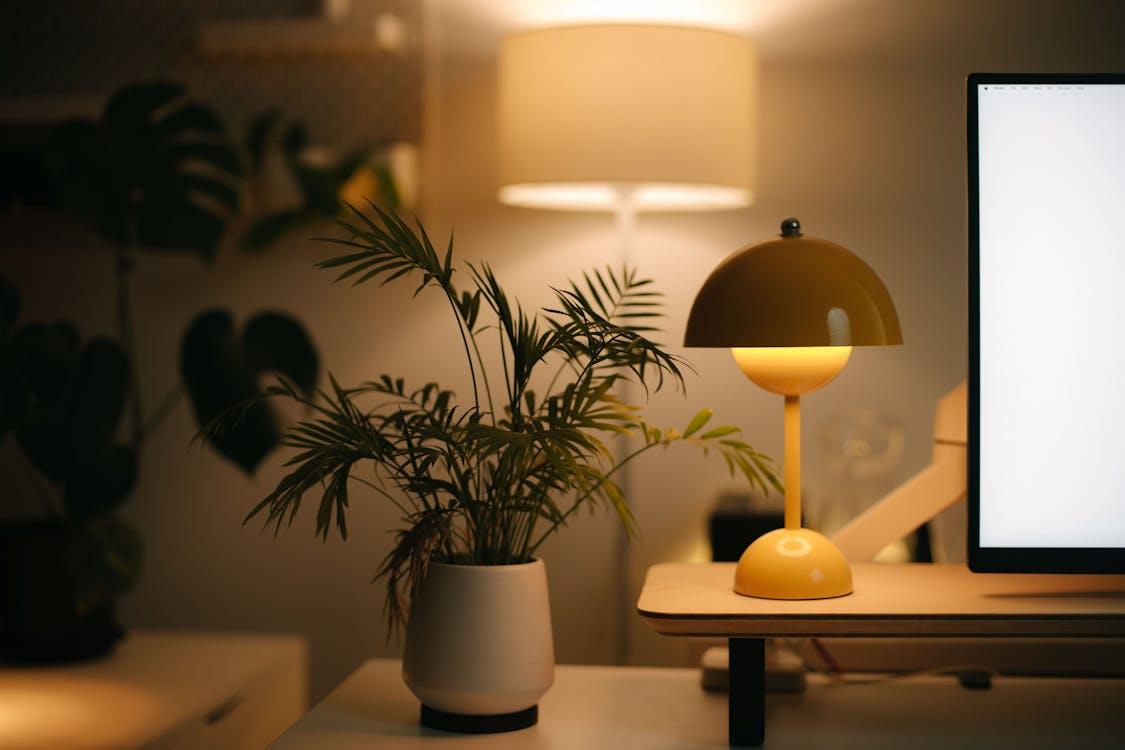
- Desk lamps for working
- Under-cabinet strips for cooking
- Pendant lights over kitchen islands
- Sconces beside bathroom mirrors
Brightness is the operative word here — sufficient to work, but not overwhelming.
Accent Lighting
Accent lighting is the finishing touch.
Accent light is used to draw attention to features within a room – artwork, architectural details, house plants, or a feature wall. Accent light should be around three times brighter than the surrounding ambient light.
Popular accent options:
- Picture lights above artwork
- Track lighting for galleries
- LED strips behind shelves
- Spotlights on plants or sculptures
Accent light adds character to a room. It is the spice that makes the space. Without it, even with a perfect lighting scheme, the room will lack personality.
How To Layer Lighting Room By Room
Different rooms have different needs. Here is how to blend the 3 types according to the real activities performed in each room.
Living Room
The living room is where you hang out, watch TV, and read. You need all three layers doing heavy lifting.
Start with a ceiling fixture or recessed lights for ambient. Add table lamps or a floor lamp next to the sofa for reading. Install a picture light over your favourite piece of art for accent.
Top Tip: Assign each layer to its own dimmer. You can alter the atmosphere without moving fixtures this way.
Kitchen
Kitchens are workhorses and need bright, functional light.
Use recessed ceiling lights or a flush mount for ambient. Under-cabinet LED strips and pendants over the island provide a task. Add toe-kick lighting under the lower cabinets for accent.
Bedroom
Bedrooms should be tranquil and relaxing. Central pendant for ambient. Bedside lamps or wall sconces for task light to read by. LED strips behind headboard for accent.
Bathroom
The bathroom is all about grooming and getting ready.
Ambient light comes from a ceiling fixture. Task lighting is the most important layer in this scenario — sconces or vanity bars on each side of the mirror at eye level give you the most flattering, shadow-free light.
Common Mistakes To Avoid
Even with the right plan, a few things can ruin your setup.
Only Using Overhead Lights
This is the #1 mistake made in homes. Ceiling light only creates hard shadows on faces and makes the room feel flat. Always add at least one wall or table-level light to diffuse the overhead glare.
Ignoring Bulb Colour Temperature
Mixing 2700K and 5000K bulbs in the same room is a no-no. The light will look patchy and the colours of your furniture will look different in different corners. Choose one Kelvin range per room and commit to it.
Forgetting Dimmers
Dimmers are affordable, simple to install, and offer complete control over the ambiance of each room. The U.S. lighting market is projected to expand significantly by 2032, with smart dimming being one of the largest drivers.
Skipping The Accent Layer
Many homeowners get hung up on the environment and tasks. But it is the accent lighting that really makes a room feel “designed” rather than simply illuminated.
Final Thoughts
Layered lighting is the concept of using a combination of ambient, task and accent lighting to create a room that feels functional and aesthetically pleasing. It is dependent on:
- The size and purpose of each room
- The colour temperature of your bulbs
- The placement of each fixture
The easiest way to enhance the lighting in your home is to install at least one of each of the three types of lighting in every room. Ambient first, task on top of that where you perform tasks and finish off with accent lighting to accentuate your favorite features.