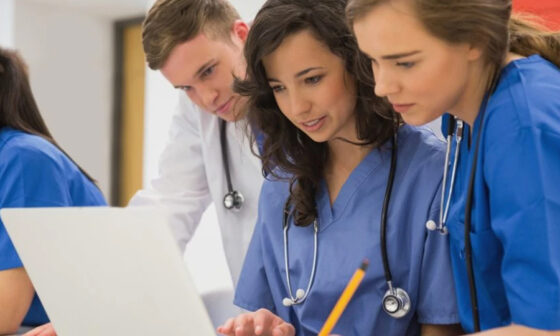
Healthcare has changed dramatically over the last several decades. What once relied heavily on manual processes and limited equipment now depends on advanced medical technology to improve patient outcomes, speed up diagnoses, and support healthcare professionals in their daily work. From hospitals and clinics to rehabilitation centers and outpatient facilities, modern healthcare systems now use technology in nearly every part of patient care.
Patients today expect faster results, accurate diagnoses, better communication, and more personalized treatment experiences. Medical professionals also need reliable systems that help them monitor patients, organize records, and respond quickly during emergencies. As healthcare demands continue growing, technology has become one of the most important tools supporting both efficiency and patient safety.
Modern medical equipment and digital systems do far more than simply improve convenience. They help reduce medical errors, improve treatment accuracy, support communication between healthcare teams, and provide better long-term care management. Whether patients are receiving emergency treatment, surgery, routine monitoring, or virtual consultations, technology now plays a major role in shaping healthcare experiences across the country.
As innovation continues advancing, healthcare providers are finding new ways to improve patient care while making medical environments safer and more efficient.
Why Medical Technology Plays a Critical Role in Patient Care
Modern medical technology has become essential because it helps healthcare providers diagnose conditions earlier, monitor patients more effectively, and deliver treatment with greater accuracy. Many medical conditions that once required lengthy testing or delayed diagnoses can now be identified much more quickly with advanced diagnostic equipment and digital healthcare systems.
Technology also improves communication between doctors, nurses, specialists, and support staff. Faster access to patient information allows medical teams to coordinate treatment more efficiently and reduce delays during critical situations.
Healthcare facilities often depend on reliable medical equipment providers such as Numed INC to support patient monitoring, treatment efficiency, and daily healthcare operations through advanced medical solutions and equipment services designed for clinical environments. Reliable healthcare technology helps medical professionals focus more attention on patient care while improving workflow throughout hospitals and clinics.
Patient monitoring systems have become especially important in modern healthcare. Devices that track heart rate, oxygen levels, blood pressure, and other vital signs help healthcare providers respond quickly when patient conditions change. These systems are commonly used in emergency rooms, intensive care units, surgical centers, and long-term care facilities.
Technology also helps reduce medical errors by improving record accuracy and streamlining communication. Digital healthcare records make it easier for providers to review patient histories, medications, test results, and treatment plans without relying solely on paper documentation.
As healthcare continues evolving, innovation remains important for improving patient outcomes and helping healthcare facilities manage growing demands more effectively.
Common Types of Medical Technology Used in Healthcare Facilities
Healthcare facilities use many different types of technology every day to support diagnosis, treatment, and patient monitoring. Each system plays a unique role in helping medical professionals provide efficient and accurate care.
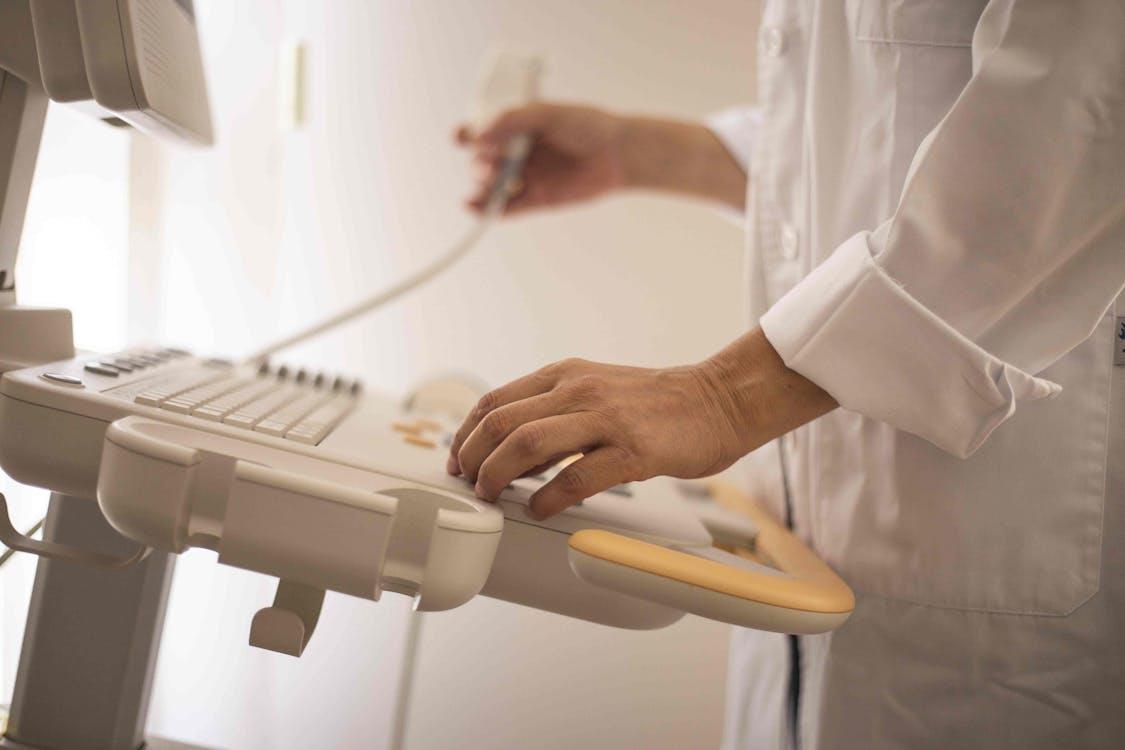
Diagnostic equipment is one of the most recognizable forms of medical technology. Imaging systems, laboratory testing equipment, and scanning devices help doctors identify injuries, illnesses, and internal conditions more accurately. Faster diagnostic tools often allow patients to begin treatment sooner.
Patient monitoring systems are another major part of modern healthcare. These devices continuously track important health information such as heart activity, oxygen levels, temperature, and blood pressure. Monitoring systems help medical staff identify problems early and respond quickly when patients need immediate attention.
Surgical and treatment technology has also advanced significantly. Modern equipment helps improve precision during procedures while supporting shorter recovery times for many patients. Minimally invasive procedures often rely heavily on specialized technology and imaging systems.
Digital healthcare records have transformed how medical information is organized and shared. Electronic systems make patient histories, medications, lab results, and treatment plans easier to access while improving communication between healthcare providers.
Together, these technologies help healthcare facilities improve efficiency, organization, and overall patient care quality.
How Technology Improves Patient Experience and Safety
Medical technology not only helps healthcare providers but also improves the overall patient experience in many ways. Faster diagnoses often reduce patient stress by providing answers and treatment plans more quickly.
Improved communication is another major benefit. Digital systems help doctors, nurses, specialists, and patients stay better informed throughout treatment processes. Patients can often access test results, appointment information, and healthcare updates more conveniently than before.
Technology also helps reduce medical errors. Electronic records and automated systems lower the risk of lost paperwork, medication mistakes, or incomplete patient information. Accurate records improve coordination between healthcare providers and support safer treatment decisions.
Modern healthcare systems are also becoming more personalized. Patient data allows providers to tailor treatments, monitor long-term progress, and better understand individual healthcare needs.
In many cases, technology improves comfort and convenience as well. Shorter wait times, faster testing, and improved treatment planning help patients feel more supported throughout their healthcare experiences.
When used effectively, medical technology creates safer, more organized, and more patient-focused healthcare environments.
Challenges Healthcare Facilities Face When Adopting New Technology
Although medical technology offers many benefits, healthcare facilities also face challenges when implementing new systems and equipment. One of the biggest obstacles is cost. Advanced equipment, digital systems, and ongoing maintenance can require significant financial investment.
Staff training is another important factor. Healthcare professionals need proper instruction to use new systems safely and effectively. Learning new technology may take time and temporarily affect workflow during implementation periods.
Data privacy and cybersecurity have also become major concerns in healthcare. Electronic medical records and digital communication systems must remain secure to protect sensitive patient information from unauthorized access.
Equipment reliability and maintenance are equally important. Healthcare facilities depend heavily on medical devices functioning correctly, especially during emergencies or critical patient care situations.
Healthcare organizations must also balance technology with personal patient interaction. While digital systems improve efficiency, compassionate communication and human connection remain essential parts of quality healthcare.
Managing these challenges carefully helps healthcare providers maximize the benefits of modern medical technology.
The Growing Role of Telehealth and Remote Care Technology
Telehealth has become one of the fastest-growing areas of modern healthcare technology. Virtual appointments and services like telehealth consultations performed by providers like Towncrest Pharmacy remotely allow patients to connect with healthcare providers without always traveling to medical facilities.
This approach has improved healthcare access for people living in rural areas or communities with limited medical services. Patients with mobility challenges or transportation difficulties also benefit from remote healthcare options.
Remote patient monitoring systems are becoming more common as well. Certain devices allow healthcare providers to monitor patient conditions from home, helping reduce unnecessary hospital visits while supporting ongoing care management.
Telehealth also improves convenience for many patients by reducing travel time and scheduling difficulties. While not every medical issue can be handled virtually, remote healthcare services continue expanding as technology improves.
The growth of telehealth is helping make healthcare more flexible and accessible for many individuals and families.
As medical innovation evolves further, patients can expect healthcare systems to become even more connected, efficient, and focused on improving overall well-being.
The future of healthcare will likely continue blending advanced technology with compassionate patient care to create safer and more effective treatment experiences for people everywhere.