An African safari remains one of the most rewarding travel experiences, offering access to some of the world’s most diverse ecosystems and iconic wildlife. From the sweeping plains of the Serengeti in Tanzania to the vast savannas of Kenya’s Maasai Mara, Africa presents a range of environments that change dramatically with the seasons.
Timing plays a defining role in shaping the overall experience. While Africa welcomes visitors year-round, each season brings distinct advantages depending on the region and travel goals. Weather patterns influence animal movement, vegetation density, and even accessibility to certain parks. Travelers who want to combine multiple destinations often find it challenging to coordinate the best times for each location.
The Dry Season Advantage: Prime Wildlife Viewing Opportunities
The dry season, typically from June to October in many safari regions, offers some of the most reliable wildlife-viewing conditions. During this time, water sources become limited, drawing animals toward rivers and watering holes. As a result, parks such as Kruger National Park in South Africa and Chobe National Park in Botswana see high concentrations of wildlife in accessible areas. This makes it easier for travelers to observe a wide range of species, often including elephants, lions, and buffalo in close proximity.
At the same time, vegetation thins out, improving visibility across the landscape. In East Africa, destinations like the Maasai Mara and Serengeti offer open plains that make it easier to track animal movement and spot predators. However, each region reaches its peak at slightly different times, which can make planning a multi-country safari more challenging. Travelers who want to make the most of these conditions often seek expert guidance to coordinate timing, routes, and park access effectively. In such cases, orient Africa travel tours by The African and Oriental Travel Company are designed to align itineraries with optimal wildlife activity. This ensures that each stop delivers strong viewing opportunities, increases the likelihood of spotting the “Big Five,” and keeps the overall journey smooth and well-organized.
The “Green Season” Magic: Lush Landscapes and New Life
The green season, often called the rainy season, transforms Africa’s landscapes into vibrant, fertile environments. Regions such as Zambia’s South Luangwa National Park and Tanzania’s Ngorongoro Crater become rich with vegetation, creating a visually striking backdrop for wildlife encounters. The rains bring renewed life to the land, filling rivers and watering holes while supporting a surge in plant growth.
This period also marks the arrival of newborn animals, particularly in East Africa. The Serengeti, for example, becomes a calving ground for thousands of wildebeest between January and March. These early life stages attract predators, leading to dynamic wildlife interactions. Birdwatchers also benefit from this season, as migratory species arrive in large numbers, especially in wetlands like Botswana’s Okavango Delta.
East Africa’s Great Migration: Timing the Serengeti and Maasai Mara
The Great Migration is one of the most remarkable wildlife events on the planet, involving the movement of over a million wildebeest, zebras, and gazelles. This continuous cycle takes place between Tanzania’s Serengeti and Kenya’s Maasai Mara, driven by rainfall and the search for fresh grazing land. Each stage of the migration offers a unique perspective, making timing essential for those who want to witness specific moments.
From January to March, the southern Serengeti becomes a key calving ground, with thousands of young animals born over a short period. In contrast, between July and September, the Maasai Mara is known for intense river crossings, as large herds move through crocodile-filled waters in search of fresh grazing. Since the migration does not follow a fixed schedule, travelers must plan carefully and remain flexible to experience these highlights at the right time.
Southern Africa’s Delta Floods: Exploring the Okavango and Zambezi
The Okavango Delta offers a rare seasonal phenomenon, where floodwaters arrive during the dry months from May to October. This creates a thriving wetland ecosystem in Botswana, attracting large populations of elephants, hippos, and antelopes. Areas like Moremi Game Reserve become especially active, as animals gather along newly formed channels and lagoons.
Water-based safaris offer a different perspective than traditional game drives. Travelers can explore narrow waterways by mokoro canoe or boat, getting closer to wildlife in a quiet and controlled setting. Nearby, the Zambezi River region also changes with water levels, influencing both the experience at Victoria Falls and the range of available activities.
Coastal Splendor: Best Times for Cape Town and the Garden Route
South Africa’s Western Cape delivers a completely different experience, with coastal scenery, vineyards, and vibrant city life. The best time to visit Cape Town and the Garden Route is from November to March, when warm temperatures and clear skies prevail. This period allows for beach outings, scenic drives, and outdoor dining with views of the Atlantic Ocean.
From June to November, the region also becomes a prime destination for whale watching. Coastal towns like Hermanus attract southern right whales that come close to shore, offering excellent viewing opportunities. Combining these coastal highlights with a safari itinerary adds variety and balance to an African travel experience.
Photography Gold: Capturing Africa’s Changing Light and Landscapes
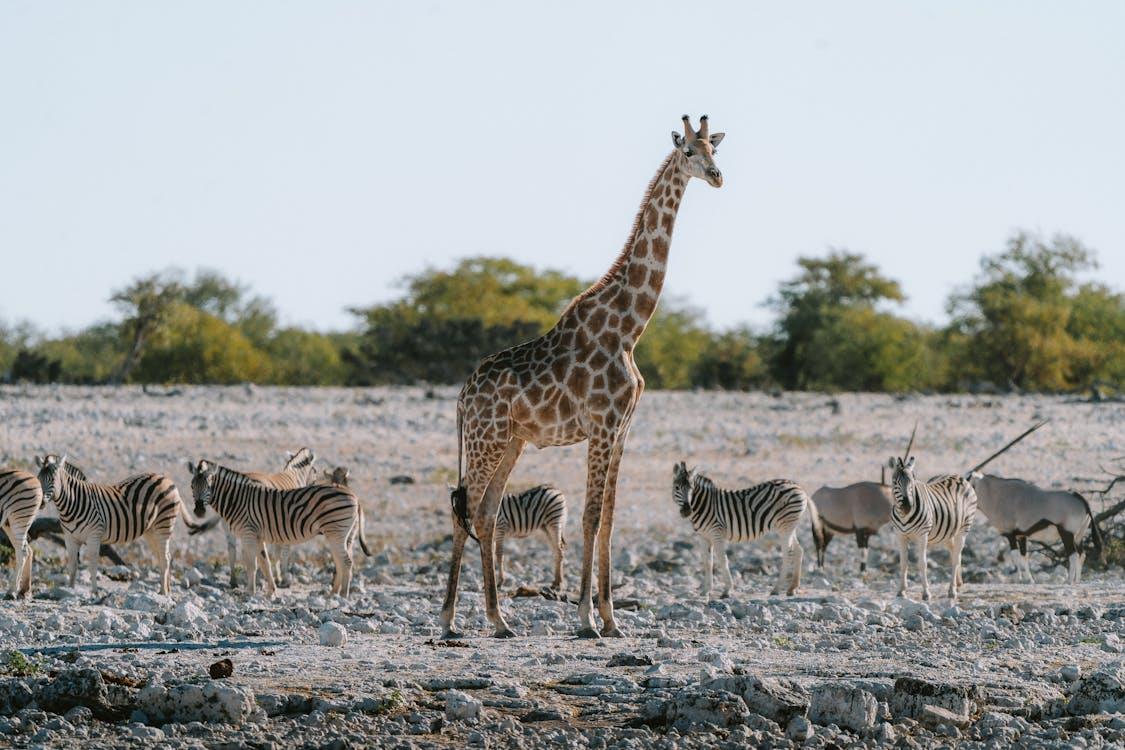
Seasonal changes in Africa directly affect photography conditions, making timing an important consideration for visual storytelling. During the dry season, clear skies and minimal vegetation create ideal conditions for capturing wildlife in sharp detail. Locations like Namibia’s Etosha National Park are known for strong lighting and open landscapes that enhance visibility.
In contrast, the green season introduces vibrant colors and dramatic skies. Rainfall refreshes the environment, creating reflections and softer light that suit landscape photography. Regions such as Rwanda and Uganda offer lush backdrops that add depth to images.
Choosing the Right Season for Your Travel Goals
Africa’s diverse regions ensure that every time of year offers a unique set of experiences. The dry season provides reliable wildlife sightings and easier navigation, while the green season delivers striking scenery and new life. Coastal areas and river systems introduce additional seasonal variations, allowing travelers to combine multiple interests in a single trip.
Selecting the best time ultimately depends on personal priorities. Some travelers focus on witnessing major events like the Great Migration, while others prefer quieter landscapes or photography opportunities. Careful planning helps align these goals with the right destinations and conditions, ensuring a well-rounded and rewarding journey across the continent.