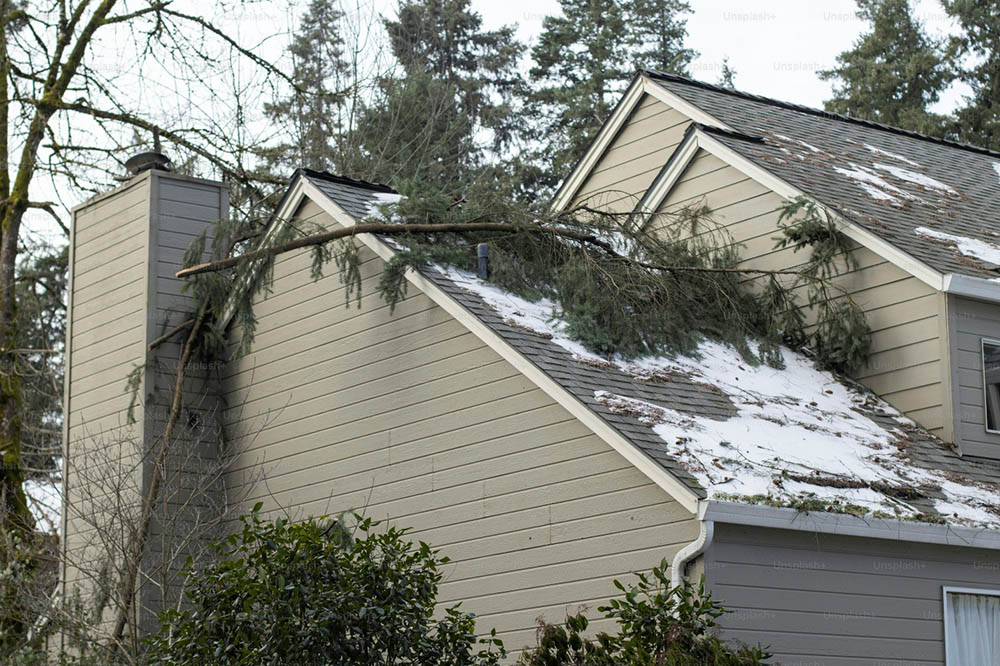
A disaster can change a home in a matter of minutes. Storms, tornadoes, flooding, and fire leave behind visible destruction and hidden risks. Once the immediate crisis passes, the focus shifts to repairs. That stage carries more weight than many homeowners realize. Restoration is not only about replacing what was damaged. It is about improving what stands in its place.
According to data from the National Weather Service (NWS), Oklahoma experiences an average of 59 tornadoes each year. That reality shapes how homes should be rebuilt. A stronger roof, better drainage, reinforced framing, and modern systems can make a meaningful difference when the next storm hits. Rebuilding smarter means using recovery as an opportunity to upgrade safety, durability, and efficiency. A thoughtful plan reduces future stress and protects long-term property value.
Assess the Full Scope of Structural Damage
Every successful rebuild starts with a thorough assessment. Surface-level damage often hides deeper structural problems. Cracked drywall may point to foundation shifts. Warped flooring can signal trapped moisture. Roof loss might expose compromised framing.
A licensed structural inspector or engineer should evaluate the property before major repairs begin. Professional inspections identify weakened beams, unstable load-bearing walls, and hidden water intrusion. Clear documentation also supports insurance claims and prevents disputes later in the process.
Address Water Damage Before It Spreads
Water damage spreads quickly and silently. Moisture seeps into insulation, drywall, and subflooring within hours. Left untreated, it weakens structural components and creates conditions for mold growth. Fast response is critical.
Professional restoration teams use industrial air movers, dehumidifiers, and moisture detection tools to remove hidden water. Thermal imaging and moisture mapping confirm that damp areas are fully dried. Proper remediation protects air quality and preserves framing materials. If you’re looking for a company that offers the best water damage restoration in Oklahoma, choose proven local restoration experts. Experienced crews understand regional weather patterns and respond quickly during widespread storm events. Prompt service reduces long-term structural damage and limits repair costs.
Reinforce the Roof for Long-Term Protection
The roof stands as the first line of defense against severe weather. Rebuilding provides a chance to strengthen that protection. Impact-resistant shingles offer improved durability against hail and flying debris. Reinforced underlayment adds another layer of security beneath the surface materials. Proper installation matters just as much as material choice. High-wind fastening systems and enhanced roof-to-wall connections improve stability during storms. Attention to flashing and sealing reduces the risk of leaks during heavy rain.
Ventilation should also be part of the upgrade. Balanced attic ventilation prevents heat buildup and moisture accumulation. Improved airflow extends the life of roofing materials and reduces strain on HVAC systems. A reinforced roof improves safety while supporting long-term efficiency.
Upgrade Windows and Exterior Doors
Windows and exterior doors play a significant role in structural resilience. Standard glass can shatter under strong wind pressure or flying debris. Storm-rated windows with laminated glass offer greater impact resistance and improve insulation performance. Reinforced exterior doors strengthen entry points that often fail during high winds. Solid-core doors with heavy-duty hinges and secure locking mechanisms enhance both safety and stability.
Modern window and door systems also support energy efficiency. Tighter seals and improved glazing reduce heat transfer and lower utility costs. Improved insulation helps maintain indoor comfort during extreme temperatures. Rebuilding after a disaster presents a rare opportunity to address weaknesses that may have existed for years. Strategic upgrades to windows and doors protect against future damage while increasing overall property value.
Modernize Electrical and Plumbing Systems
Disasters often expose vulnerabilities in electrical and plumbing systems. Flooding can corrode wiring, damage outlets, and compromise breaker panels. Power surges during storms may weaken circuits and create hidden fire risks. Plumbing lines can crack under pressure changes or shifting foundations.
Licensed electricians should inspect the entire electrical system before walls are closed. Replacing outdated wiring, upgrading the main panel, and installing surge protection strengthen overall safety. Ground fault and arc fault protection add another layer of security in high-risk areas such as kitchens, bathrooms, and garages.
Strengthen the Foundation and Framing
A disaster can shift or weaken a home’s structural core. Foundation cracks, uneven floors, and misaligned doors may signal deeper instability. Structural reinforcement restores balance and prepares the home for future stress. Professional evaluation determines whether repairs require epoxy crack sealing, slab stabilization, or pier reinforcement. Engineers may recommend additional anchoring systems to secure the structure against high winds. Reinforced concrete footings and improved load distribution enhance overall durability.
Framing connections also deserve close attention. Hurricane clips and metal tie-downs improve the bond between walls, roof, and foundation. Stronger connections reduce the likelihood of structural separation during extreme weather events.
Improve Insulation and Energy Efficiency
Reconstruction opens the walls and ceilings, which creates an ideal moment to upgrade insulation. High-performance materials reduce air leakage and improve indoor comfort. Spray foam insulation seals gaps more effectively than traditional options. Fiberglass batts with higher R-values also improve thermal resistance.
Sealed ductwork prevents conditioned air from escaping into attics or crawl spaces. Energy-efficient HVAC systems maintain consistent temperatures and reduce strain during extreme heat or cold. Programmable thermostats allow better control over energy usage. Improved insulation also supports moisture management. Reduced air leaks limit condensation buildup within walls. Controlled indoor humidity protects structural materials and improves air quality.
Install Preventive Drainage and Landscaping Solutions
Water management remains one of the most effective ways to protect a rebuilt home. Poor drainage can undermine foundations and create repeated moisture problems. Strategic grading directs water away from the structure. Extended downspouts move runoff farther from the base of the home.
French drains and sump pumps provide added protection in areas prone to heavy rainfall. Proper installation ensures consistent performance during intense storms. Landscaping choices also influence water flow. Deep-rooted plants help stabilize soil and reduce erosion. Hardscaping elements such as retaining walls or permeable pavers control runoff while maintaining curb appeal. Careful planning balances aesthetics with function.
Rebuilding after a disaster demands careful decisions at every stage. Quick fixes may restore appearance, but thoughtful upgrades deliver lasting protection. Structural reinforcement, modern systems, energy efficiency, and water management each play a critical role in resilience.
A well-planned rebuild strengthens safety, reduces future repair costs, and improves overall property value. Each improvement builds on the last, creating a home that stands stronger against future challenges. Strategic choices today transform recovery into long-term security and peace of mind.