Fashion teams face constant pressure to create fresh collections while meeting strict deadlines. Design, merchandising, and production must align from the earliest concept stage. Digital tools now play a larger role in helping teams manage creativity and execution together. Intelligent design platforms are reshaping how collections move from idea to launch.
Smarter Concept Development From the Start
Modern AI fashion design software allows teams to generate visual concepts based on themes, fabrics, silhouettes, and market direction. Instead of relying only on manual sketches, designers can review multiple variations in minutes. This approach helps with exploring broader creative directions early in the process.
Clear digital previews reduce uncertainty around design intent. Teams can compare shapes, trims, and color palettes before committing to technical specs. This clarity aids collaboration between creative and merchandising teams. Early alignment may help improve decision speed across departments.
Data Driven Direction for Collection Planning
Design decisions often benefit from insight into past performance and trend signals. Intelligent software can analyze historical sales data and consumer behavior patterns. These insights help with identifying categories or silhouettes that resonate in target markets. Data-informed direction adds context to creative judgment.
Access to structured information supports balanced collection planning. Teams can assess which styles deserve expansion and which require adjustment. Stronger planning contributes to more focused product assortments.
Key Planning Advantages
When integrated into planning workflows, these systems may offer:
- Insights into top-performing product categories
- Visibility into color and fabric trends
- Comparative analysis of past collection results
- Early validation of concept direction
Such insights assist teams in refining strategy before large-scale development begins.
Improved forecasting helps reduce excess inventory risk. Concepts supported by relevant data may help improve sell-through rates. Coordinated planning strengthens the connection between design vision and business goals. Data-supported planning adds structure to creative processes.
Faster Iteration and Reduced Sample Rounds
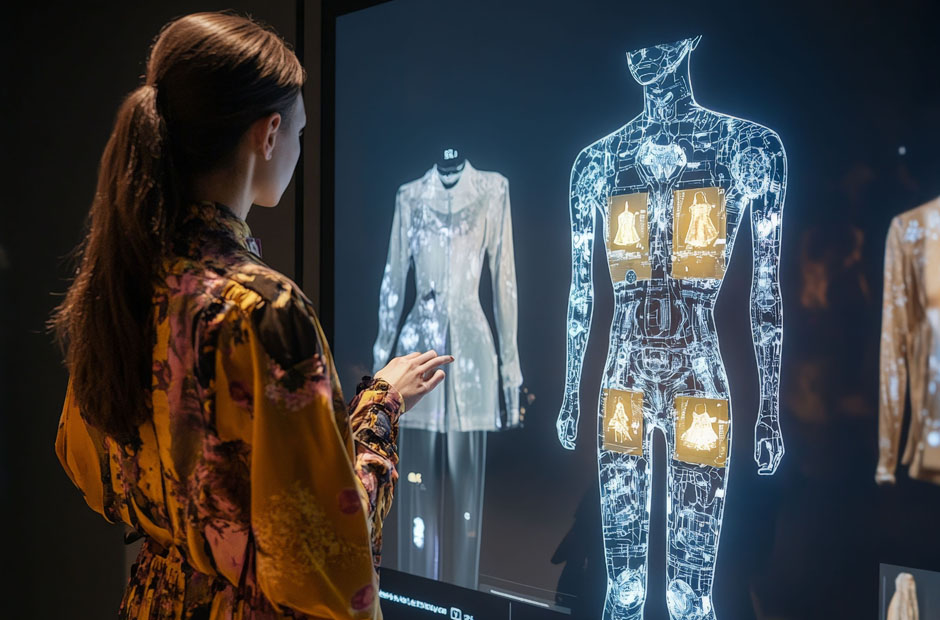
Physical samples require time, materials, and coordination with suppliers. Digital rendering tools provide realistic garment previews before the fabric is cut. This capability helps with evaluating proportion, detailing, and fit in early stages. Reduced sample rounds can shorten overall development timelines.
Rapid adjustments allow teams to refine elements without waiting for physical prototypes. Designers can modify neckline depth, sleeve length, or embellishment placement instantly. This flexibility supports quicker approvals from stakeholders. Efficient iteration may help improve speed to market.
Improved Collaboration Across Teams
Fashion development involves designers, merchandisers, technical experts, and sourcing teams. Centralized digital platforms provide shared access to design files and updates. Clear visibility into changes reduces miscommunication across roles. Structured collaboration supports smoother transitions from design to production.
Integrated tools often connect concept visuals to technical specifications. Line sheets, material details, and sizing information can align more easily. This continuity reduces repetitive data entry. Connected workflows may help improve operational efficiency. Teams can track updates and review timelines in one system. Clear documentation supports internal coordination. Organized collaboration strengthens collection launch readiness.
Alignment Between Creativity and Launch Timelines
Launching a collection requires coordination across design, sourcing, and marketing. Intelligent software helps align early concepts with production calendars. When timelines are visible from the start, teams can set realistic milestones. Structured oversight supports smoother rollout.
Clear digital records of concept evolution provide a reference for later stages. Marketing teams can access visuals for campaign planning sooner. Early coordination between departments may help improve launch readiness. Better alignment reduces last-minute adjustments.
The impact of AI fashion design software extends beyond concept creation and influences the entire path from idea to market. Faster iteration, data-informed planning, and improved collaboration help fashion teams design smarter and launch collections more efficiently. Digital support tools complement creative expertise while adding structure and clarity. As adoption grows, intelligent platforms will continue to shape how collections are developed and introduced to consumers.