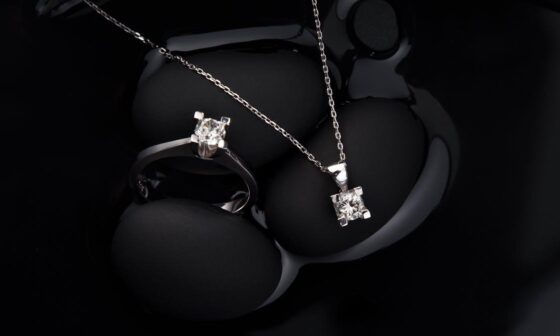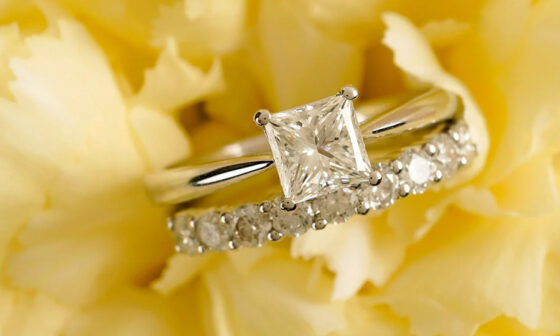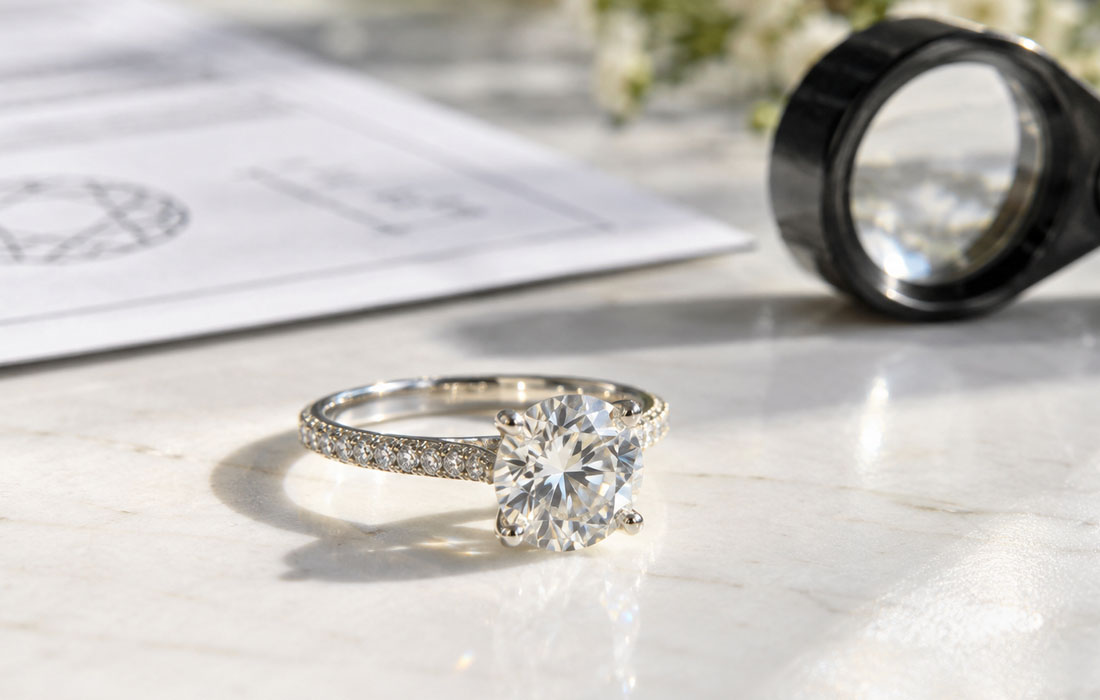
Imagine two diamond rings sitting side by side on a velvet tray. Same sparkle, same cut, same dazzling flash when they catch the light. Even a trained jeweler would need special equipment to tell them apart. Yet one costs thousands less than the other.
Now fast forward five years. Which ring is worth more? The answer surprises a lot of couples, and it is one of the most important things to understand before you say yes to a lab grown diamond.
The Honest Short Answer
Lab grown engagement rings generally do not hold their resale value well. Once you walk out of the store, most will sell for only a small fraction of what you paid, and many jewelers and resellers will not buy them back at all.
But here is the twist most people miss. Natural diamonds usually lose a big chunk of their retail price at resale too. Very few engagement rings of any kind are true financial investments. The real question is not “will this ring make me money?” but “does this ring give me the best value for what I care about?”
Why Lab Grown Prices Keep Dropping
A lab grown diamond is chemically, physically and optically the same as a mined one. The difference is where it comes from. Instead of forming over millions of years underground, it is grown in weeks using advanced technology.
As that technology improves and more producers enter the market, supply keeps growing. That steady growth is a big reason lab grown engagement rings have become far more affordable than they were a decade ago, which is great news when you are buying and less exciting when you are hoping to resell. Ritani, offers IGI certified lab grown diamonds in settings made to order in its New York facility, alongside natural diamonds, so shoppers can compare both options side by side.
Lab Grown Stones Are Now the Popular Choice
Falling prices have not slowed demand. In fact, the opposite is true. According to The Knot’s latest wedding data, reported by Rapaport, 61% of couples who married in 2025 chose a lab grown center stone for their engagement ring. The average lab grown ring costs about $4,300, compared with around $7,000 for a ring with a natural diamond.
That gap explains a lot. Many couples would rather put the savings toward a honeymoon, a home or simply less debt.
Value Means More Than Resale
When you think about value in a broader way, lab grown engagement rings start to look very appealing:
- More ring for your budget: You can often choose a larger stone, a better cut or a nicer setting for the same money.
- Same everyday beauty: They sparkle and wear just like natural diamonds, scoring a 10 on the hardness scale.
- Peace of mind: Many buyers like knowing exactly where their stone came from.
- Sentimental worth: The meaning of the ring does not change based on where the diamond was formed.
When a Natural Diamond Might Make More Sense
Lab grown engagement rings are not the right fit for everyone. A natural diamond may suit you better when rarity matters deeply to you, when you hope to pass the ring down as a family heirloom with traditional appeal, or when you simply love the idea of a stone formed deep in the earth over billions of years.
Neither choice is wrong. It comes down to what you value most, and being honest with yourself about whether resale truly matters in your plans.
What Actually Protects Your Purchase
Since resale is limited, the smartest move is to focus on quality and buyer protections from the start. Comparing lab grown engagement rings with natural options side by side makes the trade-offs much clearer, and a reputable jeweler will list certification details right next to the cut, color and clarity grades.
Before you buy, check for:
- An independent grading report, such as IGI or GIA.
- A clear warranty and return policy in writing, including how long you have to return the ring.
- Any upgrade or buyback terms, and exactly what they require.
- Insurance options, since replacement cost matters more than resale price.
Ultimately, the best engagement ring is one that balances quality, budget, and buyer protection, with a choice between lab-grown and natural diamonds based on your priorities rather than resale value alone.
Choosing With Clear Eyes
So, do lab grown engagement rings hold value? Not in the resale sense, and it is better to know that going in. But for most couples, an engagement ring is not an investment to cash out later. It is something to wear every day for decades.
Choose the stone that fits your style, your budget and your values. Look for quality, certification and solid protections, and you will end up with a ring that feels priceless, whatever its future price tag.