Understanding How Details Shape Emotional Connection
Every home has a rhythm. Repeated visual signals and slight proportions create rhythm. When homeowners refine architectural features, they typically find how textures, contours, and edges elicit emotion. Architecture goes beyond shelter. This instrument evokes remembrance. Well-defined trim lines or carved corners create space harmony.
Consistency is the foundation. When molding aligns precisely, when shadow lines remain crisp under light, the home begins to communicate order and elegance. Small upgrades like extending exterior fascia boards or introducing gentle curves around door frames change perception. These incremental refinements contribute to a home that feels complete instead of merely assembled.
Beauty from precision. Builders often ignore how millimeter-level craftsmanship creates atmosphere. Detail-oriented homeowners make their homes life-enhancing.
Exterior Details That Strengthen Architectural Character
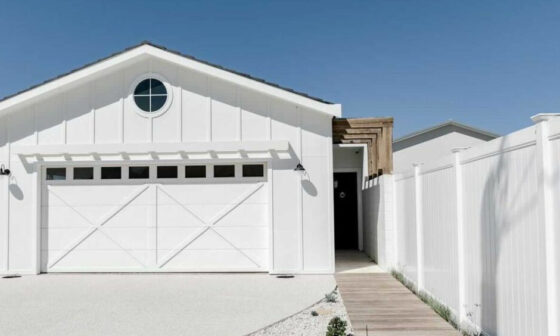
The outer envelope of a home speaks first. It conveys its story before one crosses the threshold. Architectural touches such as window trim or roof brackets shape tone and composure.
Start with hierarchy when assessing exterior proportion. From entry to rooftop, the eye naturally moves. The home seems calm if those pieces are rhythmic. Body is added by replacing thin trims with broader, well-painted moldings. Create depth by contrasting colors and observing reflected sunshine throughout the day.
Shadows form from roof overhangs and eaves. Crown cuts and soffit panels capture attention. Authentic copper gutters or wooden brackets increase value with time. Assess shutters carefully; harmonious placement creates quiet.
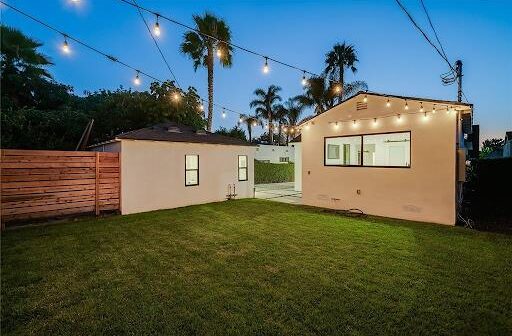
Lighting subtly governs the emotional tone. Warm hues projected from strategically mounted fixtures outline geometry and texture. A simple lantern near the door may carry more hospitality than any statement sculpture. Each fixture, handle, and framed edge should act as punctuation within the architectural sentence.
Interior Harmony Shaped Through Millwork and Structure
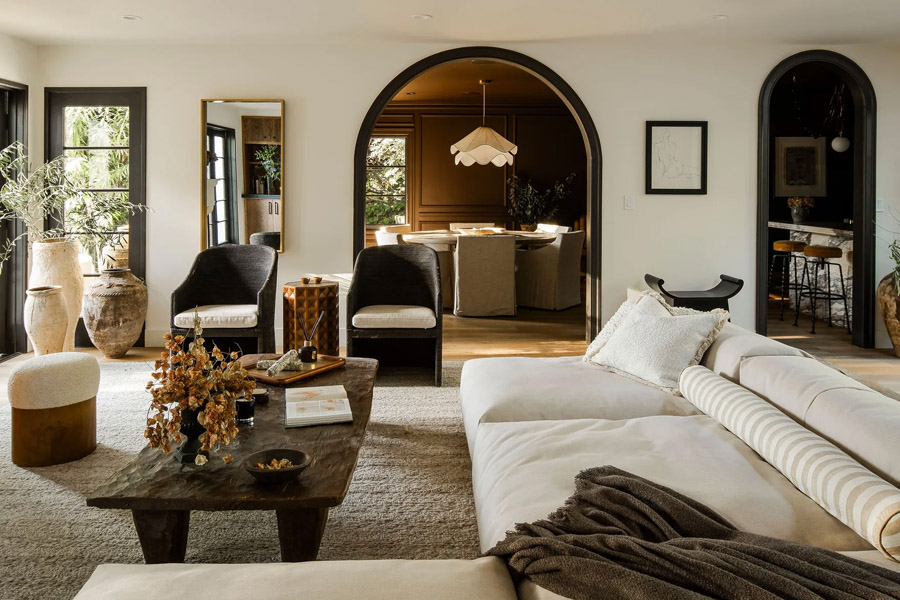
Inside the home, millwork becomes the language of refinement. Walls achieve voice through wainscoting or paneling. Baseboards and casings deliver structure; they act as quiet participants guiding visual flow from floor to ceiling.
Experimenting with scale leads to discovery. A high-ceilinged foyer benefits from deeper crown moldings that ground height. Cozy rooms require finer profiles to prevent heaviness. Matching trim styles across rooms offers cohesion while subtle variation keeps interest alive.
Built-ins rhythmize. They blur function and decoration. They turn voids into sculptures around fireplaces and staircase landings. Using soft whites with different grains adds warmth and complexity.
Flooring transitions also influence attitude. Hardwood joining patterned tile or stone must occur gracefully. Inserted borders can delineate zones while sustaining overall unity. Such decision-making defines clarity between purpose and presentation.
Material Selection as a Narrative Device
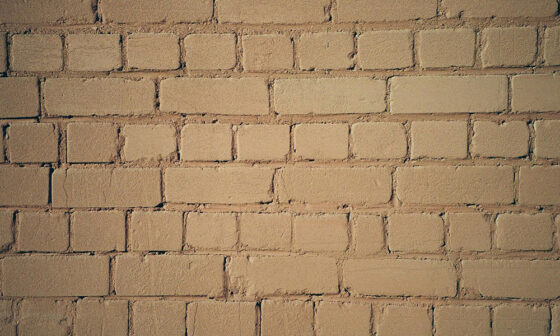
Every surface speaks of origin. Wood hints at organic life, stone symbolizes endurance, and metal carries futuristic promise. Selecting the right combination deepens authenticity.
Metal can also work as a practical accent rather than a dominant finish. In entrance areas, utility spaces or industrial-style interiors, Chequer Plate Direct metal sheets can be considered for small wall panels, protective surfaces or other details where texture and durability matter. Used selectively, the raised pattern can add visual interest without overwhelming the wider material palette.
Reclaimed material breathes story into space. Wooden beams with visible knots remind occupants of growth and passage of time. Polished or matte finishes set emotional temperature. If one imagines the home as a canvas, texture operates as brushstroke; choosing contrasting textures produces visual tension that adds energy.
Interior beams can divide large volumes, crafting visual ceilings in open-plan homes. Faux beams painted in complementary tones subtly mark division without structural commitment. Stone veneer around fireplaces lends substance; it bends light differently, making evenings feel grounded.
Modern homeowners value honesty over theatrics. Imperfect materials are valued. Accepting uneven grain, color shifts, and tactile surfaces shows honesty. A home founded on reality replaces contrived perfection with comfort.
Integrating Design Consistency and Enduring Value
Long-term detail design success requires context awareness. Each house is architecturally significant. That lineage is respected to avoid confusion. Choosing details that match neighborhood traits preserves charm without being forced.
Budget planning expands creative freedom. Prioritize visible junctions such as entryways and living zones. As resources allow, migrate upgrades throughout secondary spaces. Quality installation should always outrank quantity of features.
Energy-efficient detailing merges aesthetics with purpose. Trimmed window frames that include proper insulation support sustainability. High-grade siding promotes thermal stability while maintaining color integrity for decades. Such decisions weave ecological awareness into architectural craft.
Maintenance forecasting protects investment. Where humidity causes wood rot, fiber cement resists. Sealants under ornamental casings keep moisture out. Continuous design admiration is maintained by longevity.
The Psychological Weight of Architectural Refinement
Architecture impacts perception beyond vision. Proportions influence psychology—wide trim inspires stability; elongated vertical lines evoke aspiration. Humans instinctively respond to balance.
Architectural rhythms that match nature are soothing. Soft shadows under crown molding or texture between floor and wall create a visual pulse. The tempo calms emotions like music.
Even color selection within detail affects human resilience. Matte black metals suggest resilience, while brushed brass introduces friendliness. Reinforcing these tonal qualities through repetition builds personality.
Spatial awareness proceeds with time. Each upgrade shapes user behavior. A well-crafted banister invites touch; molded panels around doorways create a sense of arrival. Refinement thus becomes interaction rather than decoration.
Evolution of Small Homes Through Architectural Precision
Compact houses reveal architectural potential beautifully because proportion stands magnified. Tiny adjustments produce significant difference. A trim expansion of half an inch around windows surprisingly adds grandeur. Paint applied with restrained contrast defines geometry sharper than major remodeling.
Porches connect interior and outdoor. Beadboard ceilings and simple column bases make entrances expressive. Landscape margins reflect interventions. Finishing composition is a stone path that matches facade geometry.
For interiors, modest homes profit from vertical rhythm. Using wainscoting or half-wall paneling draws eyes upward. Built-in storage disguised with precise millwork relieves clutter, enabling design to breathe. Each centimeter must carry intention.
Precision is poetry in small spaces. When the craft rises to meet the constraints, the result feels graceful, confident, and lasting.
FAQ
What defines architectural detail improvement?
Architectural detail improvement refers to enhancing design elements that exist within or upon a building’s structure, such as trim, molding, cladding, or fixtures. It focuses on refining rather than expanding, emphasizing craftsmanship and proportion over size.
How can homeowners choose the right materials for upgrades?
Start by evaluating climate, maintenance tolerance, and style continuity. Natural materials offer warmth; composites provide durability. Balance appearance with practical performance.
Are architectural refinements expensive to maintain?
Cost depends on scale and material. High-grade components require limited upkeep if installed correctly. Routine cleaning and minor resealing keep details sharp over time.
Do interior details affect property value?
Yes. Cohesive moldings, built-ins, and quality finishes convey care and sophistication to potential buyers. Thoughtful execution raises perceived value without significant structural expansion.
How can small houses benefit most from detail upgrades?
Every design choice is amplified in smaller spaces. Add layered trims, accent material adjustments, or subtle lighting variations to rival larger buildings without major renovations.
What mistakes should be avoided when refining architectural details?
Avoid mixing conflicting styles or ignoring proportion. Excess ornamentation distracts; inconsistent trim sizing destroys balance. Each addition should serve both aesthetic and practical purpose.
Can sustainable principles align with architectural detailing?
Absolutely. Energy-conscious insulation, responsibly sourced materials, and durable finishes integrate beauty and efficiency. Sustainability strengthens the narrative of any well-detailed home.