Key Takeaways:
- Investing in high-quality materials enhances durability and reduces maintenance costs.
- Premium materials can lead to higher property valuations and resale values.
- Energy-efficient materials contribute to sustainability and operational savings.
- Understanding market trends helps in making informed material choices.
The Role of Material Quality in Construction Longevity
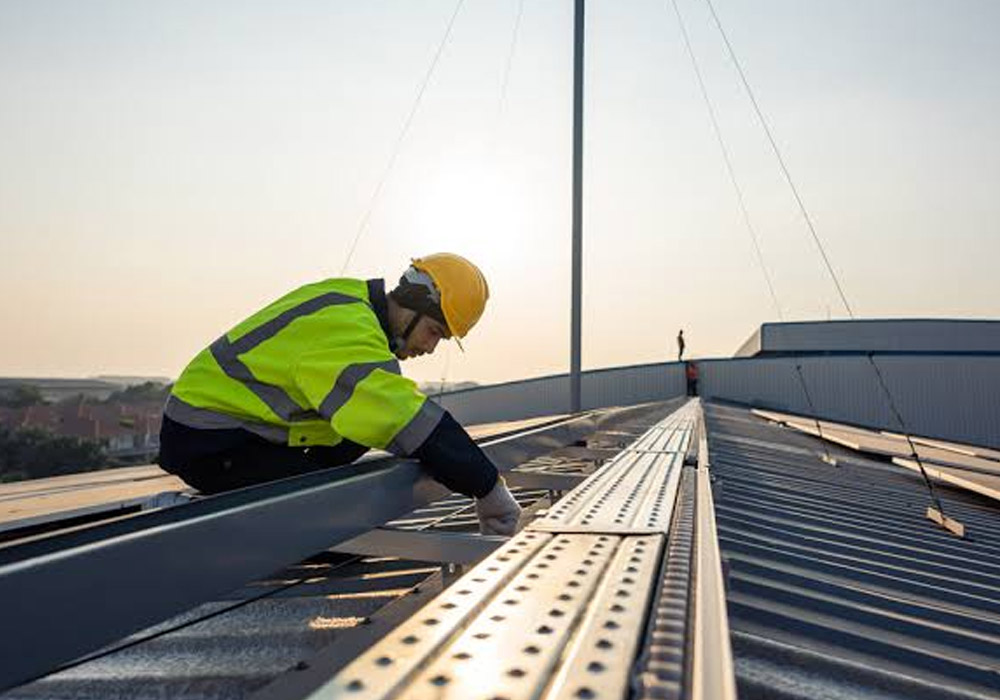
Quality in material selection carries direct implications for a contractor’s bottom line. Whether you are bidding for public jobs or negotiating private work, the stakes rise every year with expectations for longevity and reduced callbacks. That is where material quality comes into sharp focus. Choosing high-grade structural steel, premium fasteners, and robust sealants helps ensure fewer failures. Materials designed to handle UV exposure, wind uplift, and freeze-thaw cycles provide a safeguard against premature degradation and warranty claims. The True ROI of Quality Metal Roofing Materials in 2026 offers a comprehensive look at how top-tier product choices transform project outcomes and margins for contractors who value reliability over short-term savings.
Most commercial projects today demand strict timelines paired with minimal disruption post-occupancy. When you spec materials from trusted manufacturers with verifiable test data, such as proven pull-out resistance or resistance to oil canning, you are substantially lowering your risk of costly rework. While it is tempting to chase margins by skimping on inputs, seasoned roofers know it is those decisions that can erode profitability over a project lifecycle.
Those willing to invest upfront in quality assemblies often see smoother inspections and reduced punch lists. Building owners appreciate a contractor who delivers robust warranties on assemblies that rarely require service teams to make repeat visits. That reputation pays off over time, building trust and bringing in higher-value contracts.
Markets shift, but durability and quality in construction always hold value. Contractors attuned to this reality take steps to specify materials that are backed by strong industry references and consistent real-world performance.
Economic Benefits of Investing in Premium Materials
While the sticker price on premium materials may be higher, experienced estimators know the total cost of ownership tells a more complete story. Anecdotal and analytical evidence backs what industry veterans have long preached: buildings constructed with premium assemblies can command upwards of 15 to 25 percent greater appraised value. At the same time, owners see operational expenses decline as maintenance intervals extend due to better-performing underlayment, clips, and fasteners. During asset disposition phases, brokers frequently cite higher market appeal and superior ROI for properties built with reputable material systems, which can mean higher commissions and repeat work for the contractor with a strong build record.
Energy Efficiency and Sustainability
Sustainability is more than a buzzword. It is often a requirement in municipal RFPs and in certifications like LEED. Specifying high-performance insulation, cool roof coatings, and thermally broken panel systems goes beyond regulatory compliance; it signals to facility managers that efficiency and operational savings are at the forefront. Quality products often exceed minimal code requirements, resulting in faster compliance reviews and demonstrable savings, particularly in envelope upgrades and system retrofits. According to the U.S. Department of Energy, choices in energy-efficient building components directly impact utility costs and sustainability performance, which is a growing consideration for both tenants and investors.
Market Trends and Material Selection
Demand for quality roofing materials has remained resilient, even as inflation has driven up core material prices. Mergers, raw material shortages, and shipping delays all factor into the current cost equation. Contractors with their finger on the pulse of market supply chains are better equipped to lock in prices at opportune moments and to pivot quickly when alternatives are needed. Reports indicate the building materials sector is averaging a 12 to 13 percent compound annual growth in total shareholder returns, highlighting how strategic procurement and operational efficiencies are central to outperforming competitors. McKinsey analysis shows that market leaders continuously assess changing specs and performance trends to keep their bids competitive and jobs on track.
Challenges in Material Costs and Supply Chain
The volatility of global material markets is now a fixture in every estimator’s world. Price spikes, particularly in galvanized coil, aluminum, and structural steel, create pressure on margins and bidding accuracy. Contractors who diversify supply chains and maintain relationships with established distributors are more likely to weather price oscillations without passing on high costs to owners. The contracting sector saw particularly sharp increases in pricing in 2025, mirroring the turbulence of the post-COVID market, pushing teams to continually revise bid strategies and build in contingencies for procurement delays and allocations.
Balancing Cost and Quality
Every job has a budget, and contractors must walk a fine line between achieving spec compliance and controlling costs. The solution lies in conducting a rigorous cost-benefit analysis for every assembly, weighing the potential headaches of premature failure against marginal savings. In practice, the lowest bid rarely equates to best value if callbacks, punch list work, or warranty repairs are frequent outcomes. Transparency with clients about lifecycle costs and probable maintenance intervals often builds credibility and trust, an advantage in competitive bid situations and client negotiations alike.
Case Studies: Success Stories of Premium Material Use
Real-world examples underscore the impact of high-quality assemblies. A prominent Midwest hospital complex upgraded to a high-performance standing seam roof system, reducing yearly maintenance costs by over 30 percent while achieving LEED Gold certification. Similar outcomes have been reported in educational and municipal projects where specifying advanced weatherproofing and thermal breaks in flashing assemblies delivered enhanced energy savings and fewer service calls after project close-out. Building managers are increasingly vocal about the value of such investments, often citing reduced tenant turnover and higher satisfaction rates in post-occupancy evaluations.
Conclusion
For commercial roofing contractors, there is a clear and measurable benefit to prioritizing quality in every material choice. Focusing on reliable sources and high-performance systems not only increases building durability but also drives down lifecycle costs. As the industry faces evolving cost structures and greater scrutiny over efficiency, contractors positioned as advocates for high-quality solutions will stand out. The investment in first-rate materials remains one of the best returns a contractor can deliver to both their clients and their own business’s bottom line.