Key Takeaways
- The right fence begins with a clear purpose, not simply a preferred look.
- Wood, vinyl, aluminum, and chain link each serve different privacy, safety, and maintenance needs.
- Posts, gates, drainage, property lines, and local rules are as important as the fence panels.
- Falls Church homeowners should consider compact lots, neighboring sightlines, mature landscaping, and seasonal weather changes.
- A higher initial cost can be worthwhile when it reduces the need for repairs and routine upkeep.
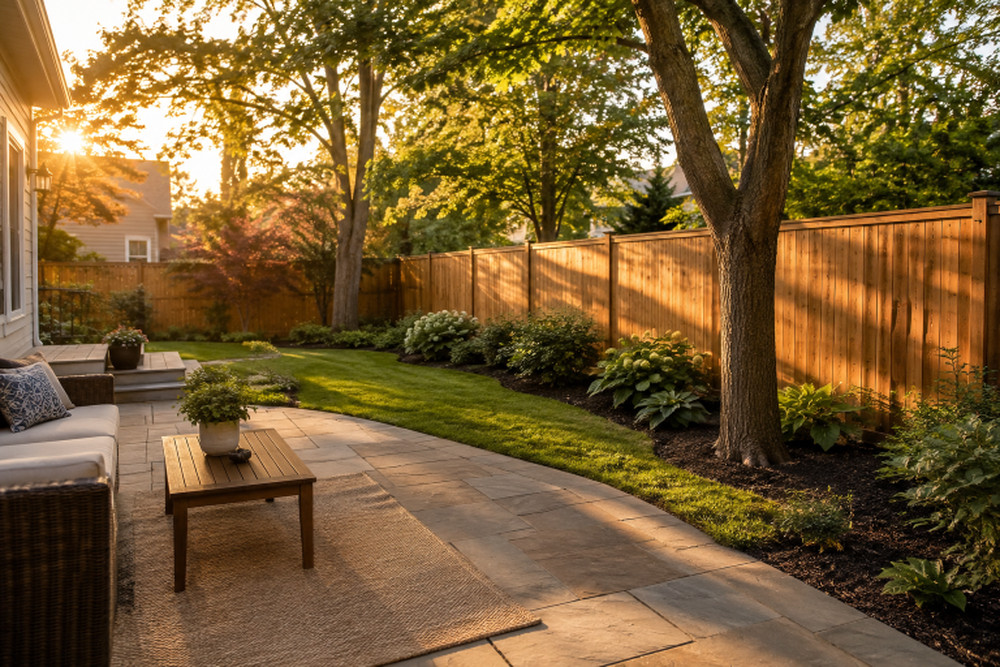
Choosing a fence in Falls Church means balancing privacy with curb appeal, safety, and maintenance, while considering the realities of a closely connected Northern Virginia neighborhood. The right material can create a quiet backyard retreat, contain pets, define a garden, or improve the transition between a patio and hardwood decking in Falls Church, VA. Start by deciding what the fence must do every day. A decorative front-yard boundary, a secure pool enclosure, and a tall backyard privacy fence require different materials, heights, gate hardware, and installation methods.
Start With the Purpose of the Fence
Function should guide every major choice. If privacy is the priority, solid panels and carefully planned gate placement matter more than ornamental details. If the goal is to keep a dog safely in the yard, focus on fence height, ground clearance, latch security, and the strength of corner and gate posts. For a front garden or a pool area, open fencing may provide better visibility while still creating a clear boundary. Think about views from neighboring homes, sidewalks, alleys, and driveways. On a smaller Falls Church lot, a fence that feels right from inside the yard may look much taller or more imposing from the street. A well-chosen design considers both sides of the property line.
Compare Common Fence Materials
Each common fencing material involves a different tradeoff among appearance, privacy, upkeep, and cost. This quick comparison can help narrow the options.
| Material | Privacy | Maintenance | Best Fit |
|---|---|---|---|
| Wood | High with solid panels | Moderate to high | Traditional privacy fences |
| Vinyl | High with solid panels | Low | Low-upkeep backyard screening |
| Aluminum | Low | Low | Pool, garden, and front-yard borders |
| Chain link | Low | Low | Pet areas and practical boundaries |
Wood Fencing
Wood offers a natural appearance and flexible design choices. It can be built in many heights and styles, from simple pickets to full privacy panels. It also needs periodic attention, including inspections for loose boards, moisture exposure, and wear to the finish. Wood is a strong option for homeowners who value customization and are prepared for ongoing care.
Vinyl Fencing
Vinyl is often chosen for solid privacy and a clean appearance without the need for painting or staining. Routine washing and occasional hardware checks are still important. Its finished appearance suits homeowners who want a consistent look, although it generally offers less on-site customization than wood.
Aluminum and Chain Link
Aluminum fencing works well when open sightlines are valuable, such as around landscaping, pool areas, or front yards. Chain link is a practical choice for pet containment, side yards, larger spaces, and utility areas. Privacy slats or planting can improve visual coverage, but they do not create the same solid barrier as a privacy-panel fence.
Match Privacy and Safety Needs
Privacy and safety overlap, but they are not identical. A solid fence blocks views, while an open fence can make it easier to monitor children, pets, visitors, and activity near a driveway. For gates, choose sturdy hinges and latches that match the fence’s daily use. Pool barriers require especially careful planning because local rules can address height, openings, gate operation, and latching.
Consider Long-Term Maintenance
No fence is entirely maintenance-free. Even durable materials benefit from cleaning, vegetation control, post inspections, and gate adjustments. Before choosing, ask whether you are comfortable staining wood, replacing individual boards, washing panels, tightening hardware, and trimming vines or shrubs away from the fence line. Sprinklers that repeatedly wet the same area and soil that stays damp can shorten the useful life of certain components.
Plan for Local Site Conditions
Falls Church properties can include slopes, established trees, tight side yards, clay-heavy areas, and drainage routes that affect installation. Strong posts and properly supported gates are essential, especially for a solid privacy fence that catches more wind. Plan for water to move naturally across the yard rather than trapping it along the fence line, and avoid forcing panels into an uneven layout that leaves large gaps below the fence.
Review Falls Church Requirements Before Ordering Materials
Confirm your layout before materials are delivered. The City of Falls Church states that fences may be up to 7 feet in the required side and rear yards and up to 4 feet in the required front yards, while yard definitions may differ from how a homeowner sees the property. Review the City’s residential fence requirements and use a current plat to evaluate placement, height, easements, and pool-related requirements. Post holes also require planning below ground. Before excavation begins, request markings through Virginia 811; the service advises contacting it at least 3 working days before a digging project.
Look Beyond the Initial Price
A complete fence budget includes panels, posts, concrete or other post-setting materials, gates, latches, removal of an old fence, site preparation, cleanup, and future maintenance. Compare complete estimates rather than only the price per linear foot. Ask whether the scope includes disposal, gate hardware, adjustments for slopes, and repairs to disturbed landscaping.
Use This Simple Fence Planning Checklist
- Define the main goal: privacy, safety, appearance, containment, or boundary marking.
- Measure the fence line, corners, gates, slopes, and access points.
- Review drainage, trees, roots, and nearby utility locations.
- Compare materials by privacy level, maintenance needs, and appearance.
- Confirm local requirements, HOA rules, property lines, and easements.
- Choose gates based on foot traffic, pets, equipment, and security needs.
- Request detailed estimates and select the option that fits long-term ownership.
Frequently Asked Questions
What fence material is best for privacy?
Solid wood and vinyl are common privacy choices. Wood offers more design flexibility, while vinyl usually requires less routine finishing work.
Which fence needs the least maintenance?
Vinyl and aluminum generally require less routine maintenance than wood, but all fences need cleaning, inspection, and occasional adjustments to gates or hardware.
Is aluminum suitable for a pool area?
Aluminum can provide a visible, defined pool boundary. The final design must meet applicable local pool-barrier and gate requirements.
Conclusion
The best fence for a Falls Church property is the one that performs well for the yard, the household, and the level of maintenance the owner can realistically manage. Homeowners should begin by identifying their priorities, whether that means creating a more private outdoor space, keeping pets safely contained, improving security, or adding a defined boundary around the property. Comparing materials such as wood, vinyl, aluminum, and chain link can help clarify differences in appearance, durability, maintenance needs, and overall cost. It is also worth considering how the fence will handle local weather conditions, fit the property’s layout, and work with existing landscaping, gates, and walkways. Before scheduling installation, confirm property boundaries, applicable local requirements, permit rules, and any neighborhood restrictions. Taking time to evaluate these details can help prevent unexpected expenses and installation delays. By defining the purpose, weighing material tradeoffs, and planning carefully, homeowners can choose a fence that remains attractive, practical, and secure for years.