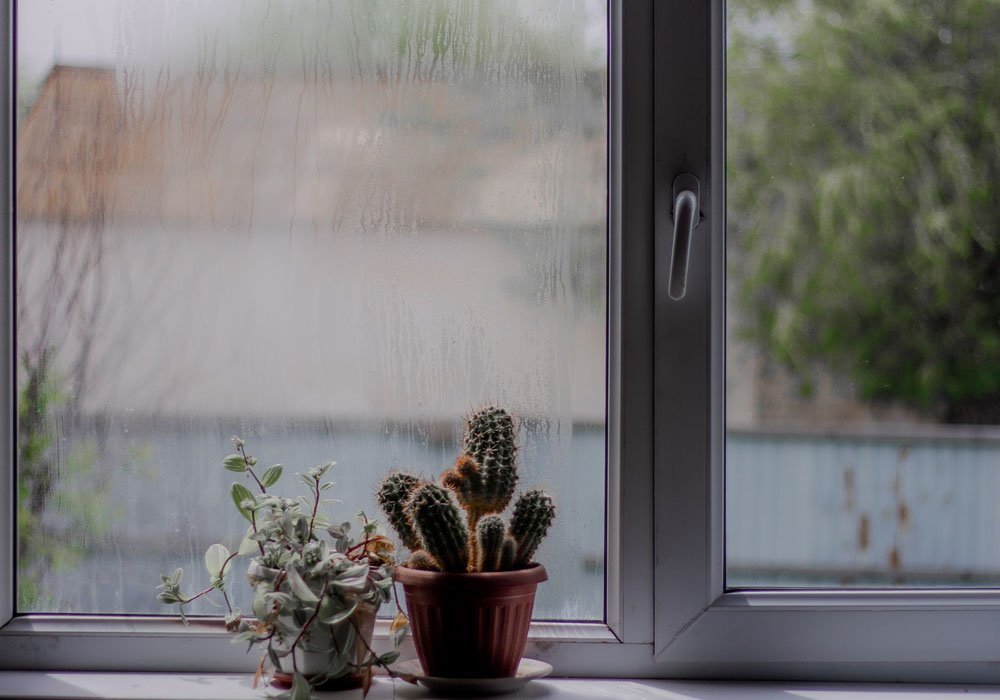
Summer heat is one thing, but sticky, humid air is a whole different story. While you’re inside trying to stay cool, excess moisture in the air is quietly affecting your home. It seeps into walls, warps wooden floors, makes doors stick in their frames, and creates the perfect environment for mold and mildew to grow.
Over time, high humidity can lead to costly damage if it’s left unchecked. Fortunately, protecting your home from excess humidity doesn’t have to be complicated. A few simple preventive measures and regular maintenance can help reduce moisture damage, improve indoor comfort, and prevent expensive repairs.
Here are some of the most common ways humid weather can damage your home and what you can do to prevent it.
Mold and Mildew Can Spread Quickly
Mold and mildew thrive in warm, humid conditions and can begin growing within 24 to 48 hours of excess moisture exposure. Bathrooms, kitchens, basements, attics, and areas around windows are especially vulnerable because condensation and poor ventilation allow moisture to build up.
Left untreated, mold can stain walls and ceilings, damage surfaces, create unpleasant odors, and reduce indoor air quality.
The U.S. Environmental Protection Agency (EPA) recommends taking the following steps to prevent and address mold:
- Repair plumbing leaks and other water problems as soon as possible.
- Clean mold from hard surfaces using detergent and water, then dry them completely.
- Replace porous materials, such as carpets or ceiling tiles, if mold cannot be fully removed.
- Avoid painting or caulking over moldy surfaces.
- Consult a restoration specialist for valuable or difficult-to-clean items.
Moisture Can Damage Wood and Building Materials
Excess moisture quietly wreaks havoc on your home’s structural integrity by causing wood to swell, warp, crack, and rot over time. As wooden frames absorb trapped humidity, doors and windows expand, making them stick and become frustratingly difficult to operate. Exterior surfaces like siding, decks, and trim face even greater risks from constant exposure to damp air.
To manage moisture buildup, architectural engineering professor William Bahnfleth highlights the popular European practice of “lüften.” This practice involves opening windows twice a day to rapidly flush out trapped moist air. It helps lower indoor humidity levels and control condensation before it damages wood and other building materials.
In addition to regular ventilation, routine home inspections are essential. Regularly check vulnerable areas for discoloration, soft spots, or sticking frames. Spotting these subtle warning signs early ensures simple maintenance can fix the issue before it escalates into a massive, costly structural repair project for your home.
Your Home’s Exterior May No Longer Be Protected
Exterior paint protects your home from moisture, sunlight, and changing weather conditions. When paint begins to peel, crack, blister, or bubble, moisture can seep into the siding and trim, increasing the risk of wood rot, mold, and costly structural damage.
This is especially important in places like Sammamish, where damp, cloudy weather is common for much of the year. The cloudier season typically lasts from early October to mid-June, giving moisture more opportunities to affect unprotected surfaces.
Regular inspections can help homeowners identify paint damage before it becomes a bigger problem. If large areas need repainting or the surface requires extensive preparation, hiring a painting company in Sammamish can help ensure a longer-lasting finish.
According to EA Pro Painters, professional painters carefully assess each project and provide a detailed estimate of the work involved. They can also recommend the right products and surface preparation methods to improve moisture resistance and extend the life of your home’s exterior.
Your HVAC System Has to Work Harder
High humidity can make indoor spaces feel warmer than they actually are, causing your air conditioning system to run longer to maintain a comfortable temperature. Over time, this extra workload can increase energy bills, reduce efficiency, and place additional strain on HVAC equipment.
According to HVAC expert Kenneth Hartman of Hammocks AC, the ideal indoor humidity range is between 30 and 50%. Maintaining this balance not only improves indoor comfort but also helps protect your home’s structure and HVAC system. Hartman notes that basements and crawl spaces are common sources of excess moisture, allowing humidity to spread throughout the home.
Using a portable or built-in dehumidifier in these areas can help prevent mold, mildew, and musty odors. For larger homes, Hartman recommends installing a whole-home dehumidifier directly into your existing HVAC system. This setup ensures consistent humidity control across every single room while saving your AC unit from excessive strain and repairs.
Small Moisture Problems Can Become Expensive Repairs
Small moisture issues can quickly turn into major repair bills if they are ignored. Cracked caulk around windows and doors, clogged gutters, and poor drainage near the foundation may seem minor, but they can allow water to seep into your home. Over time, this can lead to damaged drywall, warped flooring, ruined insulation, and even structural problems.
Setting aside money for routine maintenance can help homeowners deal with these issues before they become costly. According to ConsumerAffairs, one common budgeting method is the 1% rule, which recommends saving 1% of your home’s value each year for maintenance and repairs.
Other approaches include budgeting USD 1 per square foot annually or setting aside 10% of your monthly housing costs. Combined with seasonal inspections of gutters, caulking, and drainage, these simple preventive measures can help protect your home and avoid expensive moisture-related repairs.
Frequently Asked Questions
What is the recommended indoor humidity level for a home?
Experts generally recommend maintaining indoor humidity levels between 30% and 50%. Staying within this range helps prevent mold growth, protects wood and building materials from excess moisture, improves indoor comfort, and reduces strain on your HVAC system.
What are the first signs that humidity is damaging your home?
Early warning signs include musty odors, condensation on windows, peeling or bubbling paint, mold or mildew growth, sticking doors and windows, and damp spots on walls or ceilings. Catching these problems early can help prevent more extensive and costly repairs.
What are the best ways to lower humidity in my house?
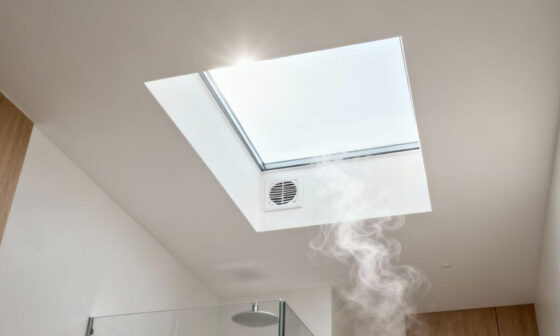
You can lower indoor humidity by using exhaust fans in kitchens and bathrooms, fixing plumbing leaks promptly, improving ventilation, and running a dehumidifier where needed. Regular HVAC maintenance and keeping gutters and drainage systems clear can also help prevent excess moisture and water intrusion.
Key Humidity and Home Maintenance Statistics
| Recommended indoor humidity level | 30%-50% |
| Typical duration of Sammamish’s cloudier season | Early October to mid-June (about 8.3 months) |
| Average cloud cover in Sammamish during December | 75% of the time |
| Annual home maintenance budget using the 1% rule | 1% of your home’s value |
| Annual home maintenance budget using the square foot rule | USD 1 per square foot |
| Monthly home maintenance budget using the 10% rule | 10% of monthly housing costs |
Humid weather is unavoidable in many areas, but the damage it causes is often preventable. Taking simple steps such as controlling indoor humidity, improving ventilation, maintaining exterior surfaces, and fixing small moisture issues early can help protect your home.
Regular inspections also make it easier to spot potential problems before they become serious. By staying proactive, homeowners can improve indoor comfort, preserve their property’s value, and extend the life of their home. Over time, routine maintenance is far less expensive than repairing major moisture-related damage.