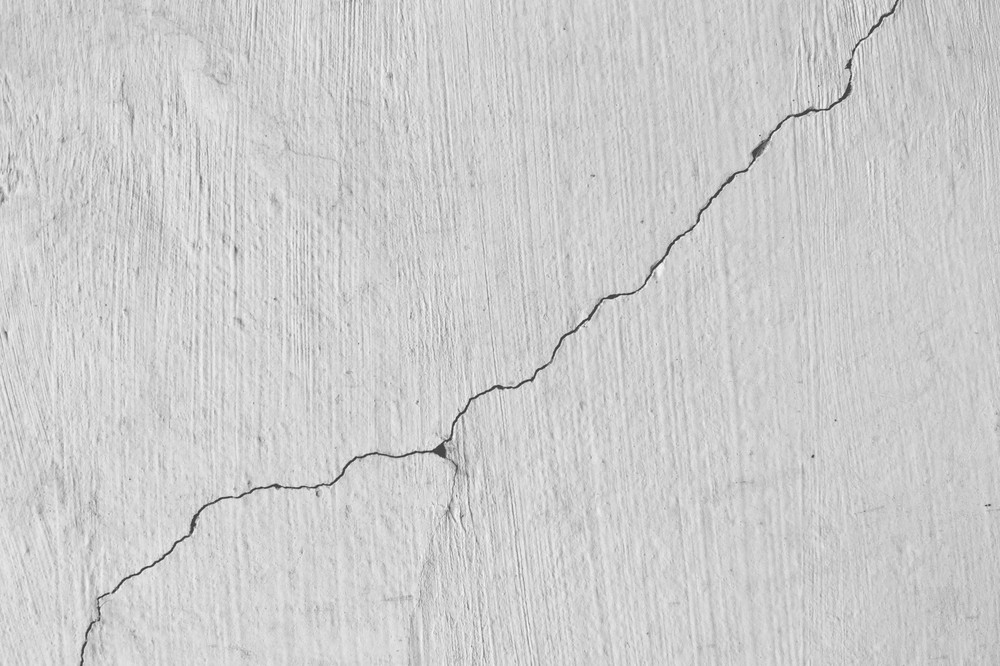
Cracks in concrete are easy to ignore until they start to grow. Some are only cosmetic, but others are a sign that the structure is under stress. When a crack needs to be bonded back together instead of just covered up, structural epoxy for crack repair is one of the most trusted options.
Before you start, it helps to know what it can do and where it falls short.
Not Every Crack Needs a Structural Fix
Thin, non-leaking cracks that don’t change in size can typically be repaired with a simple filler. Structural repair refers to cracks that affect strength such as beams, columns, slabs and foundation walls. A crack that continues to widen, is deep or is in a load bearing part must be bonded, not just sealed over.
Find Out Why the Crack Formed
Epoxy seals the crack, but doesn’t fix the reason the crack happened. If the cause is still active, the concrete will often crack again, sometimes right beside the repair. These are the usual causes:
- Settlement: The soil under a slab or foundation shifts and the concrete follows.
- Overloading: Heavy equipment or added weight puts more stress on the concrete than it was built for.
- Shrinkage: Concrete loses water as it cures and pulls apart in places.
- Rusting Rebar: Moisture reaches the steel inside, the steel swells as it rusts, and the concrete splits around it.
Check Whether the Crack Is Moving
More than any other step, this one is skipped. Since epoxy hardens, it works best on cracks that are stable. A rigid repair will break again if the crack opens and closes because of weather or traffic.
Mark both sides of the crack with a pencil or use a crack monitor and check it for a few weeks. If the gap moves, that needs to be taken care of first. There are times when a flexible sealant is better.
Prepare the Crack Properly
If you touch something, epoxy will stick to it. Some of the things that get in the way are dust, oil, loose concrete, and old patching material. First clean the crack and the area around it. Then, use a vacuum or oil-free compressed air to get rid of any dirt or dust. Not all epoxies can stick to wet concrete, so check the data sheet before you start. Most of them work best on dry concrete.
Match the Product to the Job
Epoxies come in many thicknesses. The thin, low-viscosity types flow deep into fine cracks and are generally forced in under pressure. Thicker types are better for wider cracks and surface repairs because they stay where you put them.
minutes,
Cure time and working temperature are important, too. If your product sets in minutes you may not have enough time to finish a long crack. If it cures slowly in cold weather, you might have to wait for days. Always read the data sheet and mix exactly to the ratio specified, as an incorrect ratio can leave the epoxy soft or weak.
Work Safely
Epoxy can make your eyes and skin itch, and the fumes can get bad in small spaces. Make sure you have safety glasses and gloves on, and let air flow through the area while you work. For added safety, keep an eye on the pot life. Mixed epoxy hardens and heats up faster than most people think.
Know When to Call a Professional
Cracks in foundation walls, columns, or beams can be signs of a bigger problem. Ask a structural engineer to look at the crack before you start fixing it if you’re not sure how bad it is. You might fix the wrong problem if you don’t follow their advice.
Wrapping Up
Structural epoxy can restore real strength to cracked concrete, but only when the crack is understood first. Check the cause, confirm the crack is stable, prepare the surface, and choose a product that fits the width and conditions. Taking these steps before you mix anything is what makes the repair last.