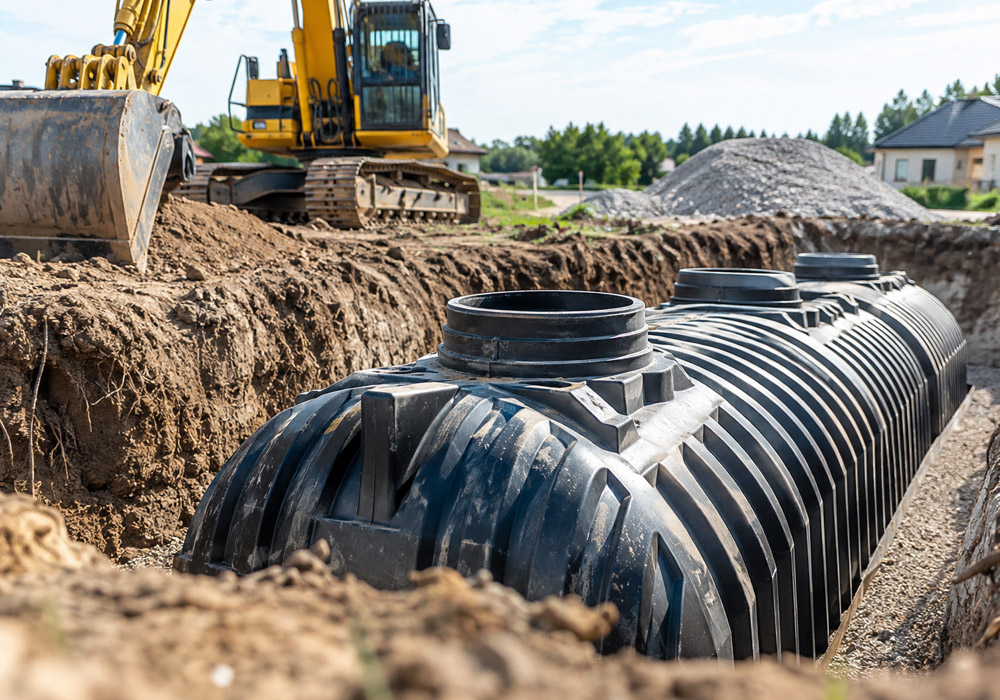
Effective stormwater management is a critical aspect of modern construction and civil engineering projects. One of the key solutions for controlling and managing surface water is the use of infiltration tanks. Among various options available on the market, the ACO infiltration tank stands out for its reliability, efficiency, and environmental benefits.
What is an ACO Infiltration Tank?
An ACO infiltration tank is a specialised underground water management system designed to capture, store, and infiltrate stormwater back into the surrounding soil. These tanks alleviate pressure on municipal drainage infrastructure by managing rainfall runoff locally, reducing flood risk, and contributing to groundwater recharge. Their modular design provides flexibility, making them suitable for various applications including residential, commercial, and civil projects.
Design and Material Advantages
ACO infiltration tanks are constructed using durable and lightweight materials such as high-density polyethylene (HDPE) or polypropylene. These materials offer excellent resistance to corrosion, chemical exposure, and mechanical stress, ensuring a long service life. The modular construction allows for tailored solutions that fit different site constraints and volumes of runoff water.
Environmental Benefits
Stormwater runoff often contains pollutants such as hydrocarbons, heavy metals, and sediments. By allowing gradual infiltration, ACO infiltration tanks help filter contaminants before water percolates into the groundwater system. This process supports environmental sustainability by improving water quality and reducing the impact on natural waterways.
Reduction of Flood Risk
In urban environments, impermeable surfaces like roads and pavements prevent natural absorption of rainfall, increasing flood risk. The use of an ACO infiltration tank mitigates this issue by temporarily storing runoff and allowing controlled infiltration. This reduces peak flow rates into stormwater systems, aiding in flood prevention during heavy rain events.
Cost Efficiency and Maintenance
Compared to traditional drainage methods such as oversized pipes or detention basins, ACO infiltration tanks offer a cost-effective solution due to their compact footprint and ease of installation. Once installed, they require minimal maintenance. Regular inspection and removal of debris from the surface inlet suffice to preserve performance over time.
Space Conservation
The underground installation of ACO infiltration tanks frees up valuable surface space, an important consideration in densely developed areas. This allows landowners and developers to maximise usable land for landscaping, parking, or recreational purposes without compromising effective stormwater management.
Regulatory Compliance
Modern planning regulations increasingly demand sustainable drainage solutions (SuDS). Incorporating an ACO infiltration tank can assist developments in meeting these standards by managing stormwater on-site and reducing impacts on local watercourses and infrastructure.
Flexibility in Installation
The modular nature of ACO infiltration tanks means they can be configured to suit a variety of site conditions. Whether for small-scale residential developments or large commercial projects, the system can be customised to address specific runoff volumes and infiltration rates.
Installation Process Overview
Proper installation of an ACO infiltration tank is essential to ensure optimal performance. The process begins with a detailed site assessment to determine soil percolation rates, groundwater levels, and stormwater volume. This information guides the design and positioning of the tank.
Site Preparation
The installation area must be excavated to the dimensions specified in the design plans. It is important to ensure stable ground conditions and to clear the site of any debris or organic matter that could hinder infiltration. Appropriate bedding material is then placed to provide a level and supportive base for the tank modules.
Tank Assembly and Placement
The modular tanks are assembled on-site according to the configuration required. The lightweight components facilitate handling and positioning within the excavation. Tanks are connected to the stormwater inlet and overflow pipes, which manage excess water during peak rainfall events.
Backfilling and Infiltration Medium
After tank placement, backfilling is carried out using free-draining granular material. This promotes effective water percolation around the tanks and aids structural stability. Ensuring correct compaction without damaging the tanks is critical during backfilling.
Surface Finishing and Access
The surface above the infiltration tank can be restored to its original condition, commonly including soil and grass, paving, or other landscaping finishes. It is essential to maintain access points such as inspection chambers or manholes for future maintenance and servicing.
Post-Installation Testing
Once installed, the system should be tested to verify infiltration rates and structural integrity. This may involve controlled flooding or flow monitoring and is often a requirement for regulatory approval. Ensuring proper functionality from the outset guarantees long-term performance.
Integration with Other Sustainable Drainage Systems
ACO infiltration tanks can be combined with other sustainable drainage measures such as swales, rain gardens, and permeable pavements to create a comprehensive stormwater management strategy. This holistic approach enhances resilience and environmental benefits.
Conclusion
ACO infiltration tanks provide an effective, environmentally responsible, and cost-efficient solution for managing stormwater runoff. Their adaptable design, low maintenance requirements, and regulatory compliance benefits make them a preferred choice for developers and engineers. Proper installation is vital to realising their full potential in reducing flood risk and improving water quality.
Those seeking reliable underground stormwater management systems should consider the advantages offered by the ACO infiltration tank. With appropriate planning and professional installation, these systems contribute significantly to sustainable urban drainage solutions.