Key Takeaways
- Choose one main skyline experience rather than racing between several viewpoints.
- Group stops by the Midtown zone to reduce backtracking and tired feet.
- Plan in flexible morning, afternoon, and evening blocks.
- Check the weather, visibility, wind, and sunset timing before committing to an outdoor view.
- Balance big landmarks with meals, indoor breaks, and unplanned discoveries.
Midtown Manhattan is built for a skyline day because the neighborhood places landmark architecture, major transit hubs, parks, dining, and observation experiences within a compact part of New York City. Make one elevated view the anchor of the itinerary, then let the surrounding streets shape the rest of the day. For an official option in the heart of Midtown, the Empire State Building is a long-standing authority on the Manhattan observation experience, with ticket choices for its observatory levels and exhibits at West 34th Street near Fifth Avenue. Visitors can buy tickets today.
Why Midtown Works For A Skyline Day
Midtown is easier to enjoy when treated as several connected areas instead of one enormous district. Central Midtown centers on Fifth Avenue and Rockefeller Center. East Midtown leads toward Grand Central Terminal and the Chrysler Building. West Midtown includes Times Square, the Theater District, Hudson Yards, and connections to the High Line. Staying mostly within one or two of these areas creates more time to notice the city rather than navigate it.
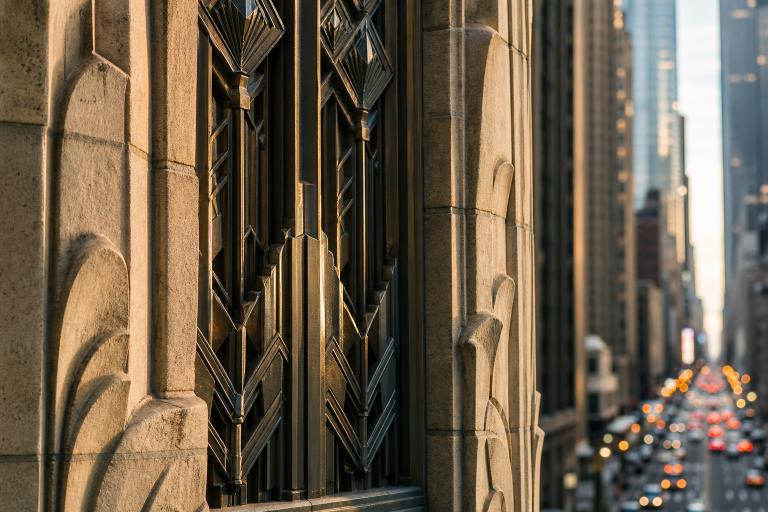
The reward is contrast. Art Deco towers, glass high-rises, busy avenues, small public spaces, and historic interiors all appear within a relatively short distance. A well-paced route lets visitors see how the skyline changes as they move from avenue to avenue.
Choose The Main Focus Before Leaving
Decide what you want the day to feel like before building a list of stops. First-time visitors may want one classic viewpoint and recognizable landmarks. Photographers may prefer a slower pace, open sightlines, and time for changing light. Families benefit from shorter walks and indoor pauses. Couples can pair a late-day view with dinner or a show, while repeat visitors may concentrate on architecture, lobbies, and less familiar blocks.
Seasonal plans deserve extra flexibility. Manhattanhenge draws people to east-west streets when the setting sun aligns with the street grid, but viewing conditions and crowd patterns vary. An explanation of Manhattanhenge and its changing viewing windows is useful for setting expectations before planning around the event.
Plan The Route by the Midtown Zone
Central Midtown
Use this zone for Fifth Avenue, Rockefeller Center, St. Patrick’s Cathedral, window-shopping, and street-level architecture. It works well for a first morning because there are many easy orientation points.
East Midtown
Grand Central Terminal provides a natural indoor stop, while public streets nearby offer strong views toward the Chrysler Building. This area also has convenient transit connections if your hotel or next destination lies outside Midtown.
West Midtown
Times Square and the Theater District are best approached with a purpose, such as a matinee, dinner reservation, or evening performance. Hudson Yards and the High Line can extend the route, but add them only if the group has the energy for a longer walk.
A Flexible Morning-To-Evening Itinerary
Morning: Start With Streets And Architecture
Begin with breakfast near your first zone, then spend the first hour walking past one or two landmarks. Take exterior photos early, identify subway entrances, and avoid stacking multiple timed activities before you know how the day feels.
Late Morning: Choose One Interior
Visit one museum, landmark, interior, gallery, or historic building. Allow extra time for entry procedures, browsing, and restrooms. A nearby café, lobby, or park bench can become an important reset before lunch.
Afternoon: Pause Before The Main View
Eat close to the evening destination rather than crossing Manhattan for a specific meal. After lunch, add Bryant Park, a bookstore, a quiet public space, or a short shopping stop. Recheck the forecast and decide whether layers, water, or an indoor alternative will make the evening more comfortable.
Evening: Let The Skyline Be The Anchor
Arrive with enough time for entry, elevators, photos, and a few unhurried minutes looking out over the city. A skyline visit feels more memorable when it is not squeezed between distant reservations. Follow it with a nearby dinner, a Broadway performance, or a simple walk through the neighborhood.
Choosing The Best Time For City Views
- Morning:A good fit for visitors who prefer a quieter start and softer light.
- Midday:Helpful when the priority is seeing detail across the city, although glare can affect photos.
- Sunset:Offers changing colors but commonly requires more patience and careful timing.
- After dark:Best for illuminated avenues, bridges, and the density of city lights.
Weather, Visibility, And Comfort Tips
A bright forecast does not always mean distant buildings will appear sharply. Humidity, haze, cloud cover, and wind can change the experience, especially at higher elevations. Check conditions on the morning of the visit, wear walking shoes, carry water in warm weather, and bring a layer for exposed outdoor time. Keep one indoor backup in mind, such as a museum, theater, restaurant, or historic interior.
Nearby Stops Worth Adding
Add supporting experiences, not obligations. Bryant Park or the southern edge of Central Park can provide green space. Art Deco façades and public lobbies reward a slower architectural walk. A theater, gallery, or music venue can turn a weather-disrupted plan into a satisfying day. Choose food near the day’s main zone, and use shopping streets as optional pauses rather than fixed commitments.
Common Planning Mistakes
- Booking multiple viewpoints that require long cross-town trips.
- Ignoring walking time, queues, meals, and restroom breaks.
- Scheduling sunset without room for arrival delays.
- Building an all-outdoor route during heavy rain, intense heat, or strong wind.
- Using old hours, event listings, or accessibility information without checking current details.
Frequently Asked Questions
Can Midtown Manhattan Be Seen In One Day?
Yes, if the plan stays focused. One or two nearby zones, one main view, and a few flexible stops are more enjoyable than trying to cover every Midtown attraction.
How Many Skyline Viewpoints Should I Plan?
One main viewpoint is usually enough. Add a second only if it is nearby or offers a distinctly different experience.
Is Sunset Always Best For Photos?
No. Sunset provides changing color, but morning can be calmer, and nighttime can emphasize the city’s lights. The best choice depends on the weather and your preferred style.
What If The Weather Changes?
Shift the outdoor portion if possible and use an indoor cultural stop, meal, or performance as the backup plan.
Conclusion
The strongest Midtown itinerary is not the one with the most pins on a map. It is the one that leaves space for a view, a meal, an architectural detail, and the unexpected energy of a New York City block. Choose one skyline moment, build outward from it, and let the rest of Midtown unfold at a human pace.