A house fire can change a home in minutes, but recovery often takes much longer. Even after the flames are out, smoke, soot, water, and hidden structural damage can create serious problems. Homeowners facing a major loss may need support from insurance professionals, local officials, and specialists in fire damage restoration in The Palm Beaches.
The first goal is safety, not cleanup. A home may have weak floors, damaged wiring, wet walls, broken glass, or harmful residue. Taking careful steps in the first hours can protect your family, preserve your belongings, and prevent a difficult situation from worsening.
Why The Danger Continues After A Fire
Visible fire damage is only part of the problem. Heat can weaken roofing, walls, ceilings, flooring, and support beams. Water used to put out the fire can move under floors and behind walls. Smoke can travel through vents, cabinets, fabrics, and rooms that never had direct flames.
People with asthma, allergies, breathing conditions, or weakened immune systems may be more sensitive to smoke particles and odors. Children, older adults, and pets also need extra care. For property owners who need local support after a loss, fire damage restoration in Newton may be part of a broader plan to assess the damage and begin safe recovery.
What To Do In The First Few Hours
Do not enter the home until the fire department or another authorized official says it is safe. A damaged home may have falling materials, exposed wires, standing water, or unsafe air. The City of Syracuse offers useful post-fire safety guidance that explains why fire, smoke, soot, and firefighting water can all pose hazards.
- Move family members and pets to a clean, safe place.
- Contact the insurance company as soon as possible.
- Ask about emergency housing and additional living expenses.
- Find out if windows, doors, or roof openings need temporary protection.
- Save receipts for hotel stays, meals, clothing, medicine, and transportation.
- Do not turn on gas, water, appliances, or electricity unless cleared to do so.
How To Document Damage
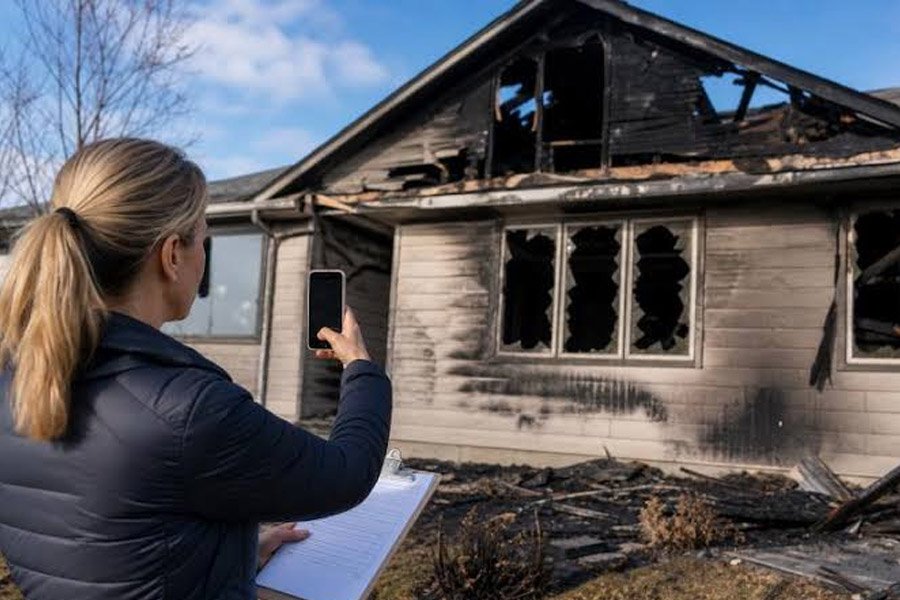
Photos and written records can make insurance discussions easier. Before moving or throwing away damaged items, take wide photos of each room. Then take close photos of soot, stains, water lines, broken materials, and damaged belongings. Use a phone camera if that is all that is available.
Create a room-by-room inventory. Include item names, brand names, model numbers, approximate age, and estimated value when known. Keep receipts, repair estimates, claim emails, and notes in a cloud folder or a safe paper file. If an item has sentimental value, document it before cleaning, moving, or discarding it.
Why Smoke, Soot, And Water Need Separate Attention
Smoke Damage
Smoke can leave odors in drywall, insulation, carpets, furniture, clothing, and HVAC systems. Opening windows or using an air freshener may make a room smell better for a short time, but it will not remove particles trapped in materials. Odor control works best when the source of the smell is cleaned or removed.
Soot Damage
Soot is a dark residue that may stain walls, ceilings, furniture, and electronics. It can also damage some finishes and metals over time. Do not dry scrub soot from painted walls or fabric. Scrubbing can push particles deeper into the surface and spread the stain across a larger area.
Water Damage
Firefighting water can soak insulation, subfloors, cabinets, and wall cavities. If moisture remains hidden, wood may warp, metal may corrode, and mold may develop. Fast drying is important, but household fans should not be used until electrical and structural risks have been checked.
Safe Cleaning And Belonging Recovery
Some simple tasks may be safe after the home has been cleared for entry. Homeowners may be able to remove clean, dry belongings from unaffected spaces, place them in sealed containers, and separate washable clothing from heavily damaged fabrics. Wear gloves, long sleeves, sturdy shoes, and suitable respiratory protection when handling soot-covered materials.
Heavy soot, soaked building materials, contaminated insulation, damaged electronics, and smoke-filled ducts often need trained attention. Items can be sorted into four groups: keep clean and safe items, clean items that may be restored, evaluate valuable or sentimental items, and discard unsafe or beyond-practical-repair items. For example, a photo album with a smoke odor may still be worth documenting and evaluating before disposal.
Insurance, Housing, And The Full Recovery Process
Insurance policies vary, so ask clear questions about temporary housing, personal property, repairs, debris removal, and additional living expenses. Keep a claim diary with dates, names, phone numbers, and decisions. Ask for important coverage explanations in writing. If the claim is complicated, consider speaking with a qualified insurance or legal professional.
Recovery usually follows a steady order: inspection, temporary protection, water removal, drying, soot cleanup, odor treatment, content recovery, repairs, and final review. FEMA provides an after-fire recovery checklist with guidance on records, salvage decisions, utilities, and rebuilding tasks. Before returning home, check for remaining odors, moisture, unsafe surfaces, and unfinished repairs.
Common Mistakes That Can Increase Damage
- Entering before officials clear the property.
- Turning on damaged utilities or appliances.
- Throwing away items before taking photos.
- Using air fresheners to hide smoke odors.
- Scrubbing soot into walls, upholstery, or clothing.
- Ignoring damp areas because moisture is not visible.
- Accepting surface cleaning when hidden damage remains.
How To Reduce Future Fire Risks
After recovery, prevention can help protect the household going forward. Test smoke alarms regularly, keep fire extinguishers accessible, avoid overloaded outlets, replace damaged cords, and keep flammable items away from cooking surfaces and heaters. Create an escape plan, practice it with everyone in the home, and store key documents in a fire-resistant safe or secure digital location.
Moving Forward After A Fire
Fire recovery is not a single cleanup project. It is a careful process that includes safety checks, documentation, moisture control, smoke and soot removal, and informed repair choices. Focus on one step at a time. When damage involves structural issues, hazardous materials, strong odors, or hidden water, seeking qualified help can help ensure a safer return home.