Ever wondered why some homes age gracefully while others seem to fall apart too soon? That contrast often comes down to decisions made long before problems appear. Home improvement today is no longer just about aesthetics or quick fixes. Rising utility costs, climate concerns, and aging infrastructure have shifted attention toward long-term resilience. Recent news around extreme weather events and strained urban systems has made homeowners more aware of hidden vulnerabilities. Pipes burst, wiring fails, and outdated systems struggle under modern demands. These issues rarely announce themselves early, yet they shape daily comfort and long-term costs. Future-proofing a home means thinking beyond immediate needs and considering how systems will perform over time. It involves smarter choices that balance durability, efficiency, and adaptability. In this blog, we will share how strategic infrastructure decisions can help homeowners create spaces that remain reliable, efficient, and ready for future challenges.
Rethinking What “Home Improvement” Really Means
Moving Beyond Surface-Level Upgrades
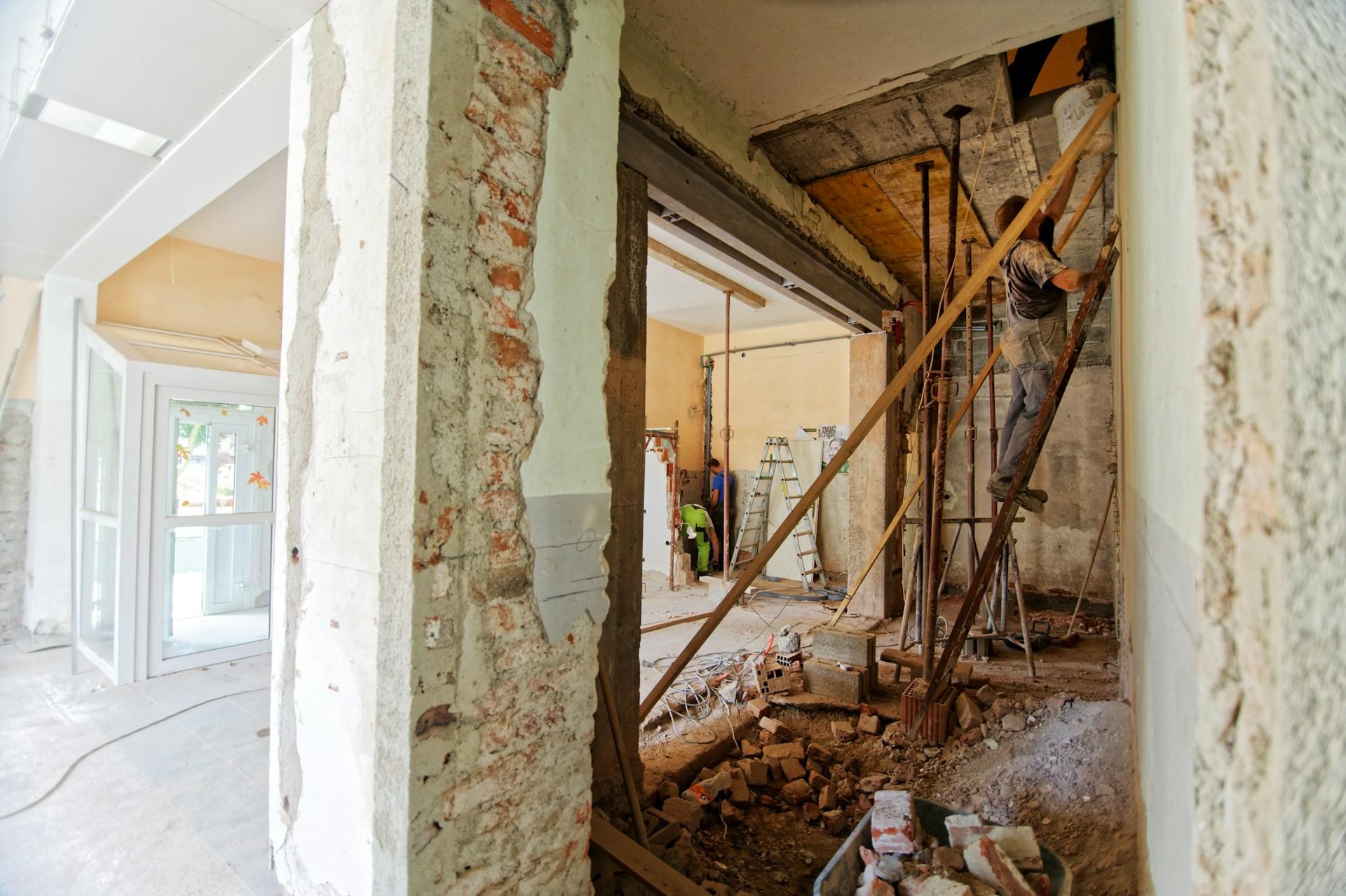
Home improvement often focuses on visible changes like paint, flooring, or furniture. These updates feel satisfying because they deliver immediate results. However, underlying systems carry far greater importance for long-term performance. Plumbing, insulation, and structural components determine how well a home functions daily. Ignoring these elements can lead to costly repairs later. Many homeowners now recognize the value of investing beneath the surface. This shift reflects broader awareness around sustainability and efficiency. It also aligns with rising expectations for smarter, more resilient living spaces.
Strengthening the Systems You Don’t See
Invisible systems often define a home’s durability and comfort. Water lines, drainage systems, and internal piping play a constant role. Over time, these systems face wear, corrosion, and environmental stress. Upgrading them requires solutions that minimize disruption while improving performance. Cementitious pipe lining, for instance, has become a key part of modern approaches to reinforcing aging pipelines. It offers a way to extend lifespan without extensive structural changes. This reflects a growing preference for efficient, low-impact improvements. Homeowners benefit from stronger systems without major renovations. It is a practical response to both cost concerns and evolving expectations.
The Influence of Modern Living on Infrastructure
Increased Demand on Everyday Systems
Homes today support more technology and higher usage than ever before. Remote work, smart devices, and energy-intensive appliances have changed daily consumption patterns. This places additional strain on electrical and plumbing systems. Older infrastructure often struggles to keep up with these demands. As a result, small inefficiencies can escalate into larger problems. Future-proofing requires anticipating these shifts rather than reacting to failures. It involves choosing systems that can handle increased load without constant upgrades. This proactive mindset reduces long-term stress and expense.
Climate and Environmental Pressures
Environmental changes are influencing how homes are built and maintained. Extreme temperatures, heavy rainfall, and unpredictable weather patterns affect structural integrity. Flooding and heat stress can damage systems that were not designed for such conditions. This reality has pushed homeowners to consider resilience as a priority. Improved insulation, drainage solutions, and reinforced materials play a key role. These choices not only protect the home but also support energy efficiency. The connection between environmental awareness and home improvement continues to grow stronger.
Smart Materials and Long-Term Value
Investing in Durability Over Short-Term Savings
Cost often drives decisions in home improvement projects. However, choosing cheaper materials can lead to higher expenses over time. Durable materials may require a larger initial investment but offer better performance. They reduce the need for frequent repairs and replacements. This approach aligns with a long-term perspective on home ownership. It reflects a shift from quick fixes to sustainable solutions. Homeowners who prioritize durability often experience fewer disruptions. The result is a more stable and reliable living environment.
Innovation in Construction and Repair
Advancements in materials and techniques are transforming home improvement practices. Modern solutions focus on efficiency, strength, and minimal disruption. These innovations allow upgrades without extensive demolition or reconstruction. They also improve the lifespan of existing systems. Homeowners now have access to options that were not available in the past. This creates opportunities to enhance performance without major inconvenience. The industry continues to evolve, driven by both technological progress and changing consumer expectations.
Balancing Technology and Practicality
Smart Homes Require Strong Foundations
Smart home technology has become a defining feature of modern living. Automated lighting, security systems, and energy management tools offer convenience and control. However, these technologies rely on stable infrastructure. Without strong foundational systems, even the most advanced devices can fail. This highlights the importance of balancing innovation with reliability. Technology enhances a home, but it cannot replace core functionality. Future-proofing involves integrating both elements effectively. The goal is to create a system that supports both current needs and future advancements. A practical example of this balance is the growing adoption of home elevators, which combine structural reliability with modern convenience while supporting long-term adaptability in multi-level homes. In places like South Florida, Fort Lauderdale home elevators are increasingly being built into new and renovated properties as a long-term accessibility and mobility solution.
Avoiding Overcomplication
While technology offers many benefits, too much complexity can create challenges. Systems that are difficult to maintain or repair may cause frustration later. Simplicity often leads to greater reliability in the long run. Homeowners benefit from solutions that are both effective and manageable. This approach reduces dependency on constant upgrades or specialized maintenance. It also ensures that systems remain functional even as technology evolves. Practicality remains a key factor in successful home improvement strategies.
The Financial Perspective of Future-Proofing
Reducing Long-Term Costs
Future-proofing a home often requires upfront investment. However, these costs are balanced by long-term savings. Efficient systems reduce energy consumption and maintenance expenses. Durable materials lower the frequency of repairs. Over time, these benefits add up significantly. Homeowners gain financial stability through predictable costs. This approach also increases property value in competitive markets. Buyers increasingly look for homes with reliable infrastructure. Investing in future-proofing becomes both a practical and strategic decision.
Increasing Property Appeal
Modern buyers prioritize functionality alongside aesthetics. A home with updated infrastructure stands out in the market. It signals reliability and reduced future expenses. This makes the property more attractive to potential buyers. Future-proofing therefore serves both current and future needs. It enhances daily living while supporting long-term investment goals. The connection between infrastructure and property value continues to strengthen. Smart improvements create lasting advantages.
The bottom line? Future-proofing homes requires a shift in perspective from short-term fixes to long-term resilience. It involves understanding how systems function and how they will perform over time. Modern challenges, from environmental changes to increased demand, highlight the importance of strong infrastructure. By investing in durable materials, efficient systems, and practical solutions, homeowners can create spaces that remain reliable and adaptable. The process is not about eliminating all risks but managing them effectively. Each thoughtful decision contributes to a more stable and comfortable home. As expectations continue to evolve, the value of smarter infrastructure choices becomes increasingly clear.