Crosswalks are meant to create safer spaces where people and vehicles meet, but accidents still happen every day. Many people believe that simply using a crosswalk automatically decides who is responsible after a collision. The truth is often more detailed because every accident depends on the surrounding facts, the actions of everyone involved, and the traffic laws that apply.
People trying to understand their legal rights after a pedestrian accident often discover that crosswalk laws play an important part in reviewing how an accident happened and how responsibility may be considered.
The Impact of Crosswalk Laws on Pedestrian Accident Claims
Crosswalk laws are designed to improve safety for both pedestrians and drivers. These rules explain how each person should behave while sharing the road. During the review of a pedestrian accident, investigators often look at whether these laws were followed before deciding how the incident may have happened.
Whether the Pedestrian Was Using a Marked Crosswalk
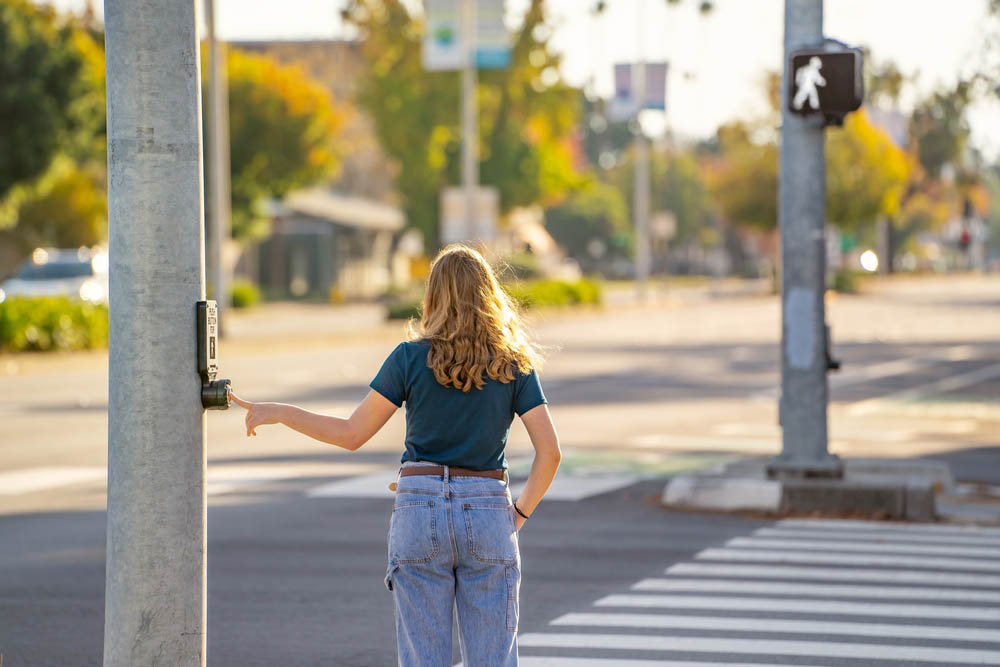
One of the first details often reviewed is where the pedestrian crossed the road. A marked crosswalk may provide pedestrians with certain protections under local traffic laws. However, simply being inside a crosswalk does not automatically determine responsibility. Investigators still review the actions of both the driver and the pedestrian before reaching any conclusions.
Whether Traffic Signals Were Followed
Traffic signals help control the movement of both vehicles and pedestrians. If the accident happened at an intersection with pedestrian signals, investigators may review whether everyone obeyed the instructions given by those signals. This information becomes one part of the overall review instead of serving as the only deciding factor.
Whether the Driver Had Enough Time to React
Crosswalk laws also work together with the general duty to drive carefully. Investigators may examine vehicle speed, visibility, road conditions, weather, and traffic patterns to understand whether the driver had enough time to avoid the collision. These facts help explain how the accident developed and whether reasonable care was taken.
Whether Other Road Conditions Played a Role
Not every pedestrian accident is caused by a single mistake. Poor lighting, blocked signs, parked vehicles, construction zones, or damaged roads may also affect visibility and reaction time. Looking at these surrounding conditions creates a more complete understanding of the accident instead of focusing on only one issue.
What Can You Do After a Pedestrian Accident?
Taking a few careful steps after an accident can help preserve important information. While every situation is different, keeping accurate records often makes it easier to understand what happened later.
Keeping important information together soon after an accident helps create a clearer record of the events. Helpful steps may include:
- Seek medical attention and keep copies of all medical records.
- Report the accident to the proper authorities if required.
- Take photographs of the accident scene, visible injuries, and surrounding road conditions.
- Collect contact information from witnesses who saw the collision.
- Keep copies of medical bills, repair estimates, and other related documents.
- Save any communication with insurance companies or other parties involved.
These records help preserve important facts that may become valuable while the accident is being reviewed. Even small details can provide useful information about how the collision occurred.
Why Evidence Matters in a Pedestrian Accident Claim
Evidence plays a major role because it helps explain the full story behind an accident. Instead of relying on assumptions, investigators review information from several different sources before reaching conclusions. Medical records may describe the injuries, while photographs can show road conditions, vehicle damage, or the position of the crosswalk. Witness statements often provide another perspective, especially if several people observed the collision from different locations.
Police reports may also include details about weather conditions, traffic signals, and statements collected at the scene. Each piece of evidence adds another part to the overall picture. Looking at everything together creates a more complete understanding of how the accident happened instead of focusing on only one fact.
How Responsibility Is Reviewed
Responsibility in a pedestrian accident is rarely decided by one detail alone. Investigators usually examine whether traffic laws were followed, how both the driver and pedestrian acted before the collision, and whether outside conditions contributed to the accident. Road design, visibility, vehicle speed, and traffic flow may all become part of the review.
Crosswalk laws are important because they help establish expectations for everyone using the road. Even so, they are only one part of a much larger process. Every accident has different facts, which is why similar collisions may still have different outcomes after a complete review. Looking at the entire situation helps create a fair understanding of responsibility based on evidence instead of assumptions.
A Better Understanding Starts With the Facts
Pedestrian accidents often raise difficult questions about responsibility, traffic rules, and the claims process. Learning how crosswalk laws fit into that review helps make the situation easier to understand without relying on common myths or assumptions. Every accident has its own circumstances, and those facts deserve careful attention before conclusions are reached. Anyone wanting to better understand their legal rights after a pedestrian accident should remember that crosswalk laws, available evidence, and the actions of everyone involved all work together in determining how a claim is reviewed.