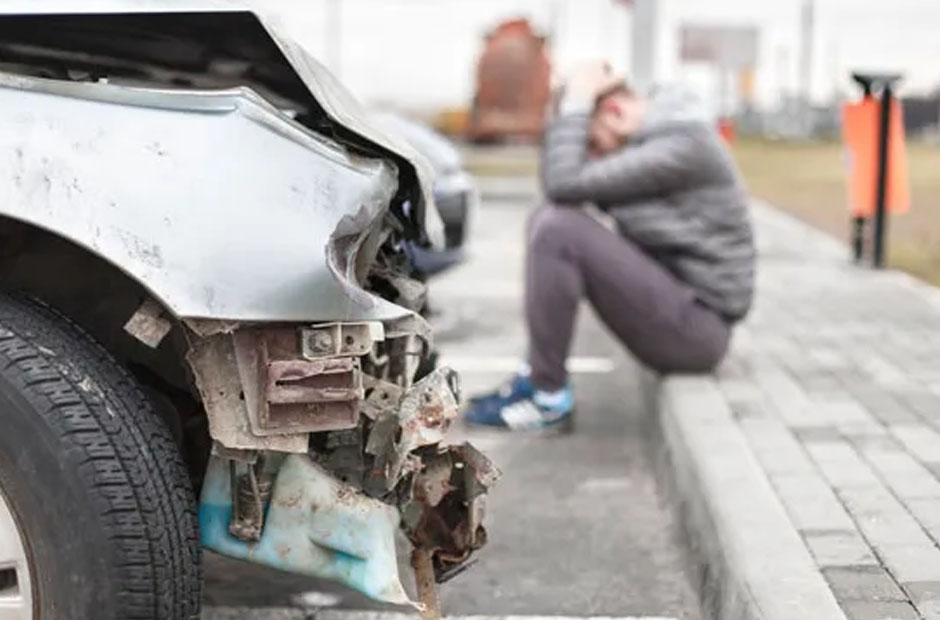
For most individuals, they prepare for accidents by having a safety checklist. This probably includes seatbelts, emergency contacts, and possibly a first-aid kit in the car. While this is sufficient to keep you safe immediately following an accident, it is not enough to ensure that you can protect your legal and financial interests starting from when the accident actually happened.
The 30 minutes immediately following a crash or an accident are the moments when the largest mistakes can be made.
The Medical-First Rule Isn’t Optional
Adrenaline won’t help you identify injuries after a crash. The fight-or-flight response can block pain sensations for hours or longer. Some soft tissue injuries, the kind that don’t show up on X-rays, don’t make their presence known until your body begins to return to normal. The classic example is whiplash. You’re fine immediately after the crash, stiff by midnight, and in serious pain the next afternoon.
Insurance companies are familiar with this delay and often leverage it against victims. If you don’t visit a healthcare provider in the first 24 to 48 hours, the lack of medical record creates a gap the adjuster will try to turn into a gap in your case. They’ll insist the injury was preexisting or caused by something else. A medical record from the day following a crash is a much better response than your memory of not thinking you were hurt.
Make the decision now by adding a provider visit into your post-accident actions.
The Recorded Statement Trap
Following a collision, the other driver’s insurance provider will probably contact you fast. They’ll present a recorded statement as standard, perhaps even helpful. It’s not.
Adjusters are trained to ask questions that seem straightforward but create contradictions as your account evolves with your injuries. Saying “I’m fine, just a little rattled” in a recording a few days post-accident can undermine you months later when medical documentation tells a different story.
You aren’t obligated to give a recorded statement to another party’s insurer. Decline pleasantly until you’ve discussed with counsel. A Beaumont Car Accident Attorney can assist you in navigating those initial conversations while also preserving evidence a nonprofessional might overlook – vehicle inspection records, traffic camera footage, and medical timelines that insurers hope won’t be compiled.
Comparative negligence is essential here too. How fault gets divided directly impacts what you can recover. Admitting partial fault in an offhand comment on a recorded call can shift those percentages in ways that are hard to reverse.
Contextual Documentation Beats Photos Alone
Everyone knows to photograph the damage. Fewer people think about capturing the broader context – and that’s where the real evidentiary value sits.
Make sure while people are still present, that you have the names and phone numbers of any bystanders. Witness accounts from someone with no stake in the outcome carry significant weight. Check if nearby businesses may have exterior cameras pointing at the intersection. Note the traffic signal timing if it’s relevant. Record weather conditions and road surface details.
Your phone’s metadata timestamps your photos automatically, which helps establish sequence of events. If you have a dashcam with GPS and speed telemetry, don’t reset or erase it. That data is objective and difficult for any party to dispute. Spoliation – the failure to preserve evidence – can work against you later if that footage disappears.
The police incident report generated at the scene becomes the foundational narrative for any claim that follows. Make sure your account of what happened is accurate and consistent before officers leave.
The ICE Kit: Preparation You Can Do Today
Your glove compartment is where preparation is stored. An In-Case-of-Emergency kit doesn’t have to be fancy. A physical one-page checklist, a pen, a medical disclosure card with your blood type, medications, and any conditions relevant to injury treatment. That’s all.
Why physical? Because after an impact, fine motor skills and clear thinking aren’t reliable. Having a printed checklist removes the need to remember what comes next when your brain is working against you. It also ensures you collect the other driver’s information completely – policy number, not just phone number; insurer name, not just the driver’s name.
Nearly 30% of all crashes are rear-end collisions, according to the National Highway Traffic Safety Administration (NHTSA), and those collisions are the primary cause of soft-tissue injuries that require documented treatment to prove. Your kit should include a note reminding you to seek medical evaluation regardless of how you feel.
The Social Media Blackout
Go offline after an accident. It’s not paranoid, it’s what’s generally advised. Insurers have been known to check social media. If they find an image of you at a family get-together a couple of weeks after the crash, grinning and on your feet, they can argue that your injuries clearly weren’t seriously interfering with your everyday life.
The statute of limitations allows for a time to prepare your case properly. That’s time enough to ensure you’re not inadvertently working against yourself during this process. Your privacy settings will not protect you. No posts about what you’ve been up to or how you’re feeling in the meantime is the most risk-averse approach.