Key Takeaways
- Riverside’s housing market has seen fluctuating affordability, impacting middle-income families.
- Housing shortages have led to increased competition and longer commutes for many residents.
- Community initiatives are underway to address housing disparities and support vulnerable populations.
The housing market in Riverside, California, has a profound influence on the daily lives of its residents, weaving into everything from household budgets to local community bonds. With mounting affordability pressures and housing shortages, families are constantly making difficult choices about where and how they live. For those who need to sell their home quickly in this ever-changing market, local solutions like Sell house fast for cash in Riverside, CA can provide much-needed relief and flexibility. The state of the housing market not only affects individual finances but also shapes the broader patterns of community life, mobility, and access to opportunity.
Amid these market challenges, it has become increasingly important for residents and prospective homebuyers to stay informed, adapt their plans, and seek innovative approaches. Whether navigating prolonged searches for an affordable home or coping with the stress of rising rents, people across Riverside are feeling the daily impacts of housing trends. Community action, government policy, and personal decision-making all intersect in this complex environment, requiring a thoughtful and adaptive response to new realities.
Making informed decisions about real estate is more important than ever in today’s competitive market. For those seeking alternatives or additional information on navigating the Riverside housing market, resources at https://www.caseybuyshouses.com/ offer strategies and solutions that can be helpful during a period of rapid change.
Affordability Challenges
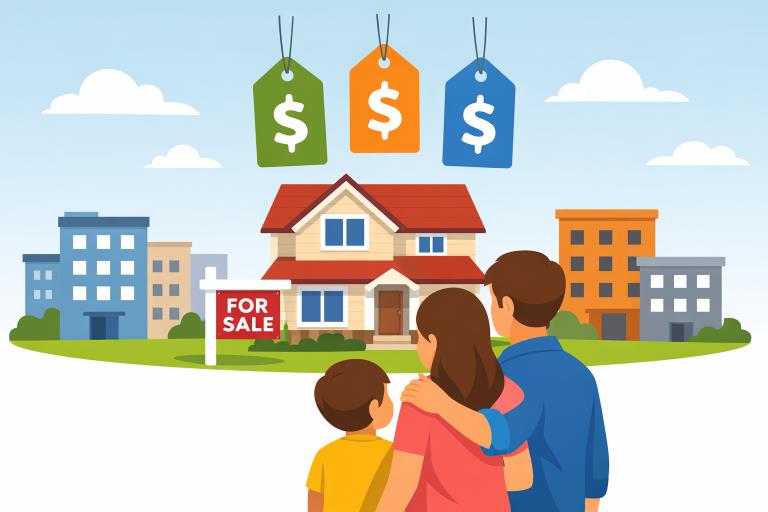
In recent years, Riverside has experienced a drastic shortage of homes accessible to middle-income earners, which has made affordable homeownership an elusive goal for many. According to a 2026 market analysis, only 5.2 percent of home listings were realistically within reach for residents earning about $75,000 per year. This growing divide between typical incomes and soaring housing prices means more residents are being pushed out of the market, unable to compete with higher-income buyers or investors. The affordability crisis underscores a persistent problem, as many individuals and families find themselves stretching budgets, taking on additional roommates, or even considering moving out of Riverside altogether in search of better prospects.
This lack of affordable options has a ripple effect, causing heightened competition for what housing is available. Prospective buyers face bidding wars and rising prices that put even basic starter homes out of reach. For renters, limited inventory has led to sharply increasing rents, according to national trends tracked by The New York Times. These circumstances are especially tough for younger families, essential workers, and others on fixed or moderate incomes.
Impact on Commuting
The swelling of Riverside’s housing costs and shrinking availability has also intensified commuting patterns throughout the region. Many people, priced out of Riverside’s neighborhoods, now seek homes in surrounding cities or even farther afield, which results in substantial increases in commute times. According to data from NEWSNATION, Riverside County’s average commute now stretches well above national averages as workers travel greater distances from affordable homes to job centers.
This extended travel time comes at a clear cost: Residents lose precious hours with family, experience higher stress levels, and contribute to environmental concerns through increased vehicle emissions. Longer commutes also affect work-life balance and overall wellbeing, making daily routines more exhausting and less predictable. The situation places a spotlight on the urgent need for additional affordable homes closer to major employment hubs, as well as expanded transportation options for those who must travel longer distances.
Community Initiatives
In response to these persistent challenges, Riverside has seen a groundswell of community-driven efforts aimed at improving housing access and affordability. Local advocacy groups are pushing for policy reforms that encourage the development of more reasonably priced housing, including mixed-use developments, accessory dwelling units, and multi-family residences. Municipal programs are working to streamline the permitting process and reduce barriers to construction, allowing developers to move forward with new projects more quickly.
Additionally, targeted programs are helping first-time buyers overcome financial obstacles. These initiatives include down payment assistance, flexible lending criteria, and financial literacy workshops. Regional partnerships between local governments and non-profit organizations have also resulted in more robust tenant protections and expanded services for vulnerable populations, such as those facing homelessness or housing insecurity.
Future Outlook
Looking ahead, Riverside’s housing market is expected to continue evolving as new policies and programs take hold. While entrenched challenges remain, there are reasons for optimism as the community invests in solutions designed to make housing more accessible for all. Improvements to public transit and infrastructure, along with innovative housing models and increased collaboration between public and private sectors, point toward a more balanced market in the years to come.
However, progress is expected to come gradually rather than overnight. Steady commitment to long-term goals will be critical to ensuring affordability, minimizing displacement, and creating vibrant neighborhoods where people of diverse backgrounds can thrive. As Riverside’s housing market adapts, ongoing community input and advocacy will remain central to crafting policies that reflect local needs and build a more inclusive future.
Ultimately, Riverside’s housing market serves as both a challenge and an opportunity. With the right strategies and collective determination, it is possible to improve outcomes for families and residents throughout the region, building a community that offers stability, opportunity, and hope for all who call it home.