Designing spaces where people gather requires careful planning, smart layouts, and a deep understanding of human interaction. Shared areas bring people together and spark conversation. The way an environment looks and functions can completely change how individuals experience a neighborhood or shared facility.
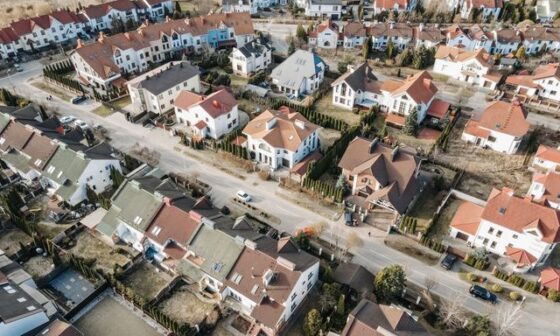
Local areas everywhere struggle with quick growth, urban density, and people feeling disconnected from nature. Smart structural layout decisions help clear up these problems.
Prioritize Flexibility and Fluid Movement
Modern interior and exterior zones adapt to different activities throughout the day. A quiet space in the morning might need to host a large group meeting by late afternoon. Multi-use dynamic configurations allow quick spatial changes for various group sizes. Moving away from rigid room functions lets community members customize the setting based on their daily needs.
Designs predict maximalism and eclecticism as top styles, showing a real push away from plain white rooms. Bold colors and layered decor help define separate sub-zones without building permanent walls. Using flexible room dividers keeps areas open to physical traffic while preserving privacy for smaller groups.
Focus on Physical Comfort and Safety
A well-constructed public area acts as a silent ally that brings calm and comfort to everyone inside. People naturally avoid places that feel cold, harsh, or poorly lit. Adding warm lighting, sound-dampening materials, and accessible seating options makes a massive difference.
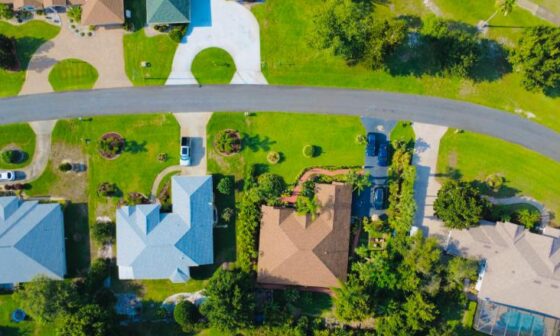
Finding quality housing options with shared amenities like clean parks or gathering centers is simple with with rent to own homes and similar solutions. Families want areas that feel secure for children while remaining inviting for adults. High visibility across open grounds reduces safety concerns naturally without aggressive security measures.
Incorporate Natural Elements and Materials
Bringing natural textures into common areas adds immediate warmth and visual interest to built structures. Organic materials lower stress and make indoor rooms feel more connected to nature outside.
Adding indoor plants and maximized windows amplifies these organic finishes. Sunlight exposure keeps indoor air fresh while providing warmth throughout the entire day. Natural elements also help regulate interior humidity levels.
Integrate Digital Displays and Shared Media
Modern public areas rely on clear communication and dynamic presentation systems. Outdoor display formats clean up shared spaces by keeping visitors informed. Digital bulletin boards, interactive maps, and media screens give visitors quick access to local news or event schedules. Keeping tech elements seamless keeps the overall environment uncluttered while providing modern utility to every visitor.
Placement matters just as much as the technology itself. Mounting displays near high-traffic entry points ensures maximum visibility. Screen brightness must auto-adjust to local ambient lighting so users can read the screen at midday or midnight.
Create Dedicated Quiet Zones
Every public gathering space needs areas set aside for low sensory input. Loud environments cause fatigue and drive people away early. Dedicated quiet nooks allow individuals to reset without leaving the main facility entirely.
Installing acoustic paneling, heavy drapery, and high-backed armchairs helps block out external noise. These isolated corners work exceptionally well for reading, private phone calls, or remote work tasks. Balancing loud social hubs with private rest spots creates a complete environment for all personality types.
Final Thoughts on Designing Community Spaces
Outdoor lighting must illuminate every corner of the exterior paths as evening sets in. Clear signage points people toward restrooms, exits, and main activity spaces without confusion. Thoughtful touches like water refill stations and exterior shaded seating boost comfort levels for long stays. Shared spaces prosper when every detail supports human connection and physical ease. Check out the rest of our articles today!