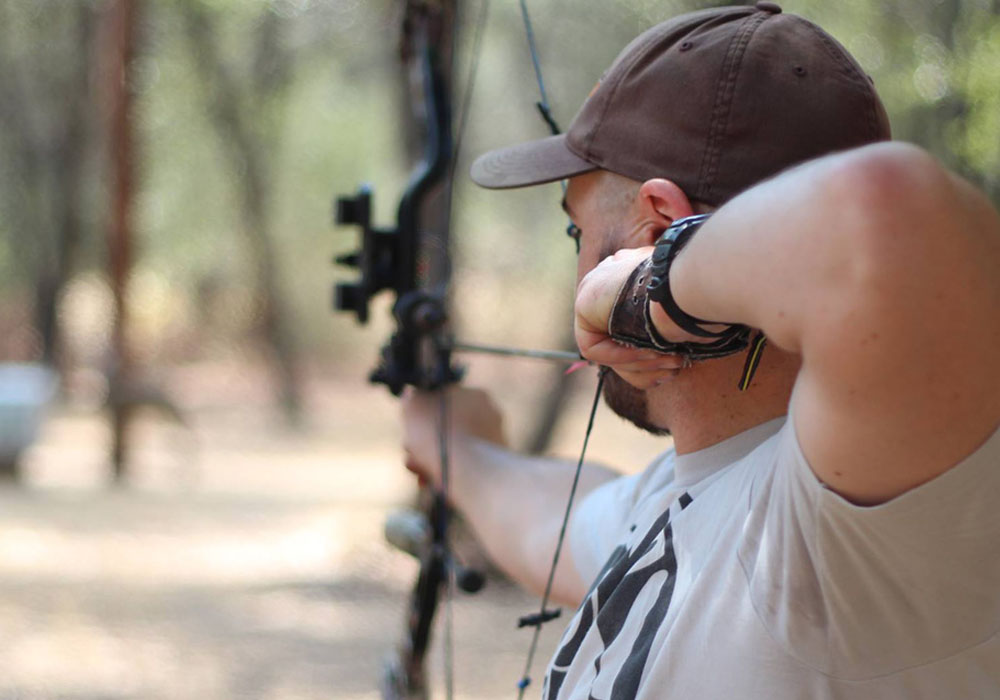
For the dedicated hunter, the harvest is secondary to the method. The true measure of a successful hunt lies in the clean, ethical dispatch of the animal. Achieving this requires more than just marksmanship; it demands a deep understanding of your equipment and a commitment to using components designed for maximum lethality and precision. When an arrow leaves the bow, every grain of weight, every degree of straightness, and every razor-sharp edge contributes to the outcome.
An ethical shot minimizes suffering and ensures a quick recovery of the game. This guide breaks down the critical components of a high-impact hunting setup, helping you make informed decisions that honor the animal and the tradition of hunting. By optimizing your gear for structural integrity and flight characteristics, you can enter the field with the confidence that your equipment will perform when the moment of truth arrives.
Broadhead Selection
The business end of your arrow is arguably the most critical variable in securing a clean kill. Your choice here dictates how the arrow interacts with tissue and bone upon impact.
Fixed Blade Broadheads
Fixed blade broadheads are revered for their structural integrity and reliability. Because they have no moving parts, there is zero risk of mechanical failure upon impact. They are designed to cut on contact, providing deep penetration even through heavy bone. For hunters targeting large game like elk or moose, a cut-on-contact fixed blade is often the preferred choice because it retains energy efficiently as it passes through the target.
Mechanical Broadheads
Mechanical broadheads are known for their field-point accuracy, largely due to their low profile during flight. They typically deploy upon impact, creating massive wound channels that can lead to massive blood trails and short tracking jobs. However, they require significant kinetic energy to open and penetrate effectively. When evaluating high-quality broadheads, it is essential to balance the aerodynamic benefits of mechanicals against the fail-safe durability of fixed blades, ensuring your choice matches your bow’s energy output.
Arrow Shafts
The shaft is the delivery system for your kinetic energy. Choosing the right material effects speed, durability, and penetration potential.
Carbon Fiber
Carbon fiber shafts have become the industry standard for modern hunters. They offer an exceptional strength-to-weight ratio, allowing for high speeds and flat trajectories. Carbon is incredibly durable and will either remain straight or break, meaning you don’t have to worry about subtle bends throwing off your accuracy. High-quality carbon shafts are engineered with consistent spine alignment, which is crucial for tight grouping at longer distances.
Aluminum
While less common today, aluminum shafts still hold a place in the quiver of heavy-impact hunters. They are generally heavier than carbon, which translates to greater momentum and harder-hitting impacts. Aluminum offers tight tolerances in straightness and weight consistency at a more accessible price point. The trade-off is that they can bend over time or after hard impacts, requiring regular inspection to ensure straightness.
Arrow Fletchings
Fletchings steer the arrow, correcting the paradox of flight and stabilizing the shaft as it travels downrange.
Vanes
Plastic vanes are the dominant choice for compound bow hunters. They are impervious to weather, maintaining their shape and stiffness in rain or snow. High-profile vanes are excellent for stabilizing broadheads, particularly fixed blades that might otherwise plane in the wind. They are durable, quiet, and capable of withstanding the high speeds of modern bows.
Feathers
Feathers are the traditionalist’s choice and offer distinct advantages. They are lighter than plastic vanes, which can help increase Front of Center (FOC) balance. Furthermore, feathers have a natural drag that stabilizes arrows very quickly. If a feather makes contact with the arrow rest or bow riser, it collapses and passes through without significantly altering the arrow’s flight path, making them forgiving for traditional archers.
Arrow Inserts
Inserts are the connection point between your arrow shaft and your point, and they play a pivotal role in arrow balance and structural strength.
Brass
Brass inserts are a favorite among hunters looking to boost their Front of Center (FOC) percentage. By adding significant weight to the front of the arrow, brass inserts shift the balance point forward, which improves arrow stability in flight and aids in penetration. A heavier front end pulls the arrow through the target, preventing deflection when hitting bone.
Aluminum
Aluminum inserts are the standard for lightweight speed setups. They provide a solid threaded connection for your field points and broadheads without adding excessive mass. For hunters who prioritize a flat trajectory and higher speeds over momentum, aluminum inserts offer a balanced solution that maintains structural integrity without weighing down the front of the shaft.
Nocks
The nock is the vital link between the bowstring and the arrow, transferring all the stored energy into the projectile.
Lighted Nocks
Lighted nocks have revolutionized shot analysis. Upon release, an internal LED illuminates, creating a tracer effect that allows the hunter to track the arrow’s flight path in real-time. This visibility is invaluable for identifying exactly where the animal was hit, which informs the decision on how long to wait before tracking.
Standard Nocks
Standard nocks prioritize reliability and simplicity. Without the added weight or potential electronic failure of lighted versions, standard nocks offer consistent performance. They are often lighter, which can slightly improve FOC, and they provide a robust connection to the string that ensures energy transfer is consistent shot after shot.
Strings and Cables
Your bow’s engine room consists of the strings and cables. Their condition directly impacts accuracy and safety.
High-Performance Materials
Modern bowstrings are made from synthetic materials engineered to resist stretching (creep). A string that stretches even slightly can rotate the cam timing, altering the bow’s tune and moving your impact point. High-quality aftermarket strings are pre-stretched and served tightly to ensure they remain consistent regardless of temperature fluctuations or thousands of shot cycles.
Regular Maintenance
To keep strings performing at a high level, regular maintenance is non-negotiable. Waxing your strings prevents the fibers from drying out and fraying, while inspecting servings for separation protects the string from cutting against the cams. A well-maintained string ensures that the peep sight creates a consistent sight picture every time you draw back.
Bow Sights
A clear sight picture gives you the confidence to execute the shot.
Pin Sights
Multi-pin sights are the most common for hunting scenarios. They allow hunters to have fixed aiming points for specific distances (e.g., 20, 30, 40 yards) ready at a moment’s notice. This is crucial in dynamic hunting situations where an animal might move quickly, and there is no time to adjust a dial.
Adjustable Sights
Single-pin or adjustable sights offer a clutter-free sight picture. By dialing the sight to the exact yardage of the target, the hunter can aim with precision without “gapping” between pins. This is ideal for longer-range shots where precision is paramount, though it requires time to adjust the sight before drawing.
Stabilizers
Stabilizers serve a dual purpose: balancing the bow and managing energy.
Length and Weight
A stabilizer adds weight away from the riser, increasing the bow’s moment of inertia. This makes the bow harder to torque or twist during the shot, keeping the pin steady on the target. Hunters should experiment with different lengths and weights to find a balance that offsets the weight of the quiver and accessories.
Vibration Dampening
Upon release, a bow generates significant vibration and noise. A good stabilizer absorbs this shock, making the bow quieter. A quiet bow is essential for ethical hunting, as it reduces the chance of the animal “jumping the string”—ducking before the arrow arrives—which can result in a wounded animal.
Conclusion
Every component of your hunting rig, from the broadhead to the nock, plays a role in the outcome of your hunt. By selecting high-impact components designed for durability, accuracy, and penetration, you are fulfilling your responsibility as an ethical hunter. Equipment that is tuned to perfection removes variables, allowing you to focus entirely on shot placement. Before you head into the field next season, review your setup. Ensure your gear is as ready as you are, so that when the opportunity arises, your shot is clean, effective, and humane.