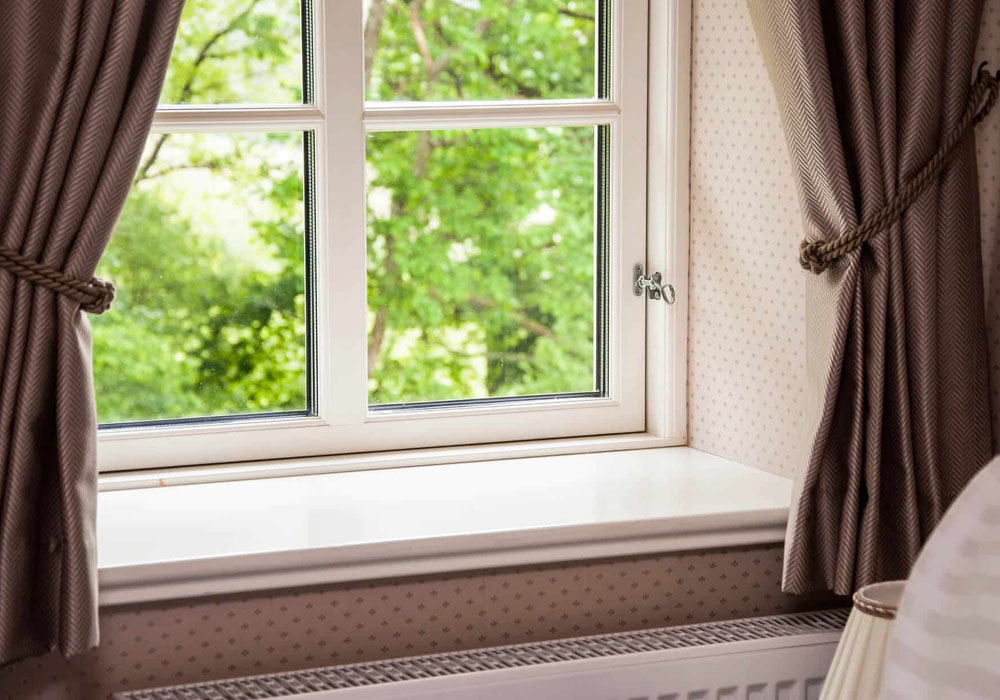
A comfortable indoor environment depends on more than heating and cooling equipment. The materials that make up a home’s exterior play a major role in regulating temperature, controlling noise, and protecting occupants from changing weather conditions. Windows, in particular, influence how much heat enters or escapes a building throughout the year. Modern impact-resistant windows are designed to provide durability and support indoor comfort in several ways. Their layered construction and advanced glazing technologies help create stable indoor conditions that make living spaces more enjoyable.
Homeowners often notice improved temperature consistency, reduced outdoor disturbances, and increased energy efficiency after upgrading their windows, making windows a valuable part of a well-balanced home environment.
Key Comfort Benefits
1. Maintaining Consistent Indoor Temperatures Throughout the Day
One of the primary ways impact-resistant windows contribute to comfort is by helping to maintain stable indoor temperatures. Traditional windows can allow significant heat transfer between indoors and outdoors, causing rooms to become excessively warm on sunny afternoons or chilly on cooler evenings. Impact-resistant windows are constructed with multiple layers of glass and durable interlayers that create a stronger barrier against temperature fluctuations. This construction helps reduce the amount of outdoor heat entering the home during warm seasons while limiting heat loss when temperatures drop. As a result, heating and cooling systems do not have to work as hard to maintain desired indoor conditions.
Occupants often experience fewer hot and cold spots throughout the house, creating a more balanced living environment. Rooms near large window openings become more comfortable to use throughout the day because they are less affected by external temperature changes. The overall indoor atmosphere remains steadier, supporting comfort regardless of changing weather conditions outside.
2. Reducing Solar Heat Gain and Indoor Overheating
Sunlight streaming through windows can brighten a room, but excessive solar heat gain may make indoor spaces uncomfortable. Impact-resistant windows often incorporate glazing technologies that help regulate the amount of solar energy entering a home. These features allow natural light to pass through while reducing the heat associated with direct sunlight. This balance creates brighter interiors without making rooms excessively warm during peak daylight hours. Homeowners living in warm coastal regions frequently consider impact resistant window options in Miami because they can help moderate indoor temperatures despite intense sunlight exposure.
Reduced solar heat gain also supports greater comfort in rooms with large window openings, such as living rooms, dining areas, and sunrooms. Furniture, flooring, and interior finishes also benefit, as reduced direct heat exposure can minimize fading and material deterioration over time. The result is an indoor environment that remains comfortable and visually appealing without requiring constant adjustments to cooling systems.
3. Improving Indoor Quietness Through Noise Reduction
Comfort extends beyond temperature control and includes the ability to enjoy a peaceful indoor atmosphere. Outdoor noise from traffic, construction projects, neighborhood activity, and severe weather can interfere with relaxation and concentration. Impact-resistant windows help reduce sound transmission into a home because their laminated glass construction absorbs and disperses sound vibrations more effectively than standard glass. This additional sound control creates quieter living spaces where occupants can work, study, sleep, or spend time with family without excessive external disturbances. In urban areas and busy neighborhoods, reducing noise intrusion can make a significant difference in daily comfort.
Bedrooms often become more conducive to restful sleep, while home offices provide a more productive environment. The enhanced acoustic performance of impact-resistant windows contributes to an overall sense of calm inside the home. By creating a clearer separation between indoor and outdoor environments, these windows support a more relaxing and enjoyable living experience year-round.
4. Supporting Energy Efficiency and HVAC Performance
Heating and cooling systems play an important role in maintaining comfort, but their effectiveness depends partly on the quality of a home’s windows. Impact-resistant windows help support HVAC performance by reducing unwanted air leakage and limiting thermal transfer. When conditioned air remains inside the home longer, temperature regulation becomes more efficient and predictable. This improved efficiency allows HVAC systems to operate under less strain while maintaining comfortable indoor conditions. Consistent performance often results in fewer abrupt temperature swings and a more even distribution of conditioned air throughout the house. Homeowners may also notice that rooms located near windows feel more comfortable because drafts and heat infiltration are reduced.
In addition, less frequent HVAC cycling can contribute to a quieter indoor environment since heating and cooling equipment does not need to activate as often. By working in tandem with insulation and other building components, impact-resistant windows help create a more controlled indoor climate that supports comfort in both hot and cool seasons.
5. Enhancing Protection During Severe Weather Conditions
Comfort is closely tied to a sense of security, particularly during periods of severe weather. Impact-resistant windows are engineered to withstand strong winds and flying debris that can accompany storms. Their durable construction helps maintain the integrity of the building envelope, reducing the likelihood of sudden window failure during severe weather. Knowing that windows are designed to remain intact under demanding conditions can provide occupants with greater peace of mind. This confidence contributes to emotional comfort, especially in regions where storms occur regularly. Beyond structural protection, intact windows help limit the intrusion of wind-driven rain and outdoor debris, preserving indoor conditions during severe weather.
Maintaining a secure barrier between indoors and outdoors helps residents remain more comfortable even when weather conditions become unpredictable. The combination of physical protection and reduced stress contributes significantly to a home’s overall livability year-round.
6. Creating a More Comfortable and Functional Living Space
The cumulative benefits of impact-resistant windows often transform the way indoor spaces are experienced. Stable temperatures, reduced noise levels, improved energy efficiency, and enhanced weather protection work together to create a more inviting home environment. Occupants may find that rooms once avoided due to excessive heat, drafts, or noise become favorite gathering areas. Living spaces feel more functional because comfort remains consistent throughout different times of day and varying weather conditions. Homeowners can enjoy natural light without dealing with excessive solar heat gain, while the quieter indoor atmosphere supports relaxation and productivity.
These improvements influence everyday activities, from family gatherings and entertainment to remote work and personal hobbies. As homes continue to evolve to meet changing lifestyle needs, window performance plays an increasingly important role in overall comfort. Impact-resistant windows offer a practical solution that addresses multiple factors affecting indoor quality, making them a valuable addition to modern residential design.
A comfortable indoor environment results from the combined performance of many building components, and windows are among the most influential. Impact-resistant window options enhance comfort by helping to regulate indoor temperatures, reduce unwanted noise, improve energy efficiency, and provide dependable protection during severe weather. Their advanced construction creates a stronger barrier between indoor living spaces and external conditions, allowing homeowners to enjoy a more stable and pleasant atmosphere year-round. As comfort, efficiency, and resilience become increasingly important considerations in residential design, impact-resistant windows continue to offer meaningful advantages that enhance daily living and support long-term satisfaction within the home.