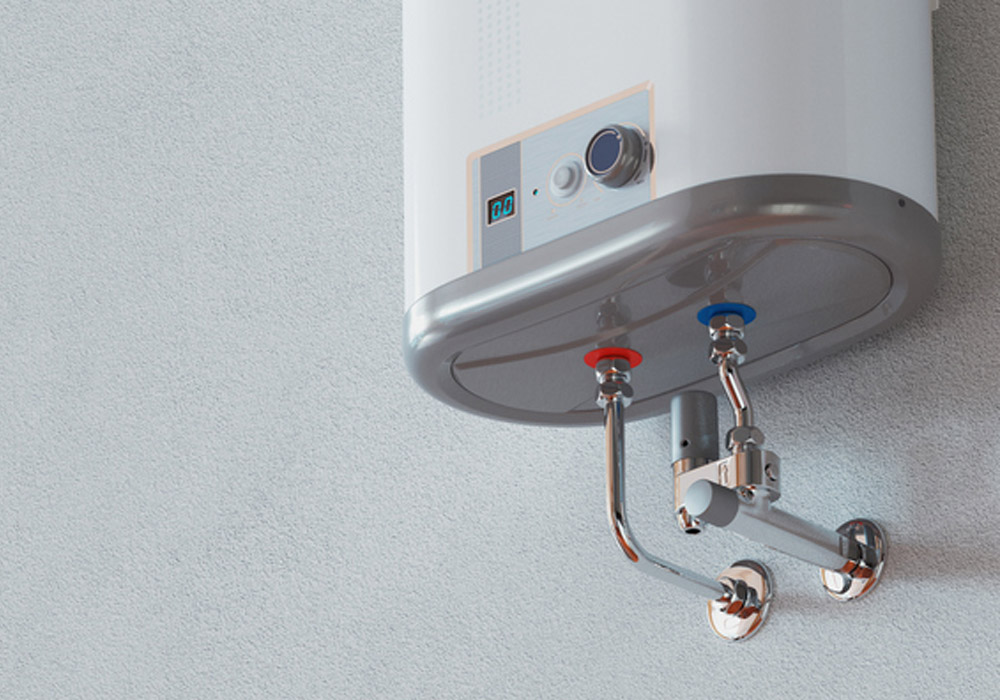
For many households, hot water needs change over time. A system that once worked well may start struggling when family size increases, routines change, or daily demand becomes higher. This gap between what a home currently has and what it actually requires can affect comfort, efficiency, and overall household satisfaction. Many homeowners begin exploring solutions such as a gas water heater when they need a system that better matches their usage patterns.
Recognising When a Hot Water System No Longer Fits
The first sign that a home may need a change is often inconsistency. A household might experience hot water running out too quickly, longer waiting times, or difficulty managing multiple uses at the same time.
These issues are often connected to a mismatch between system capacity and household demand.
Understanding this difference helps homeowners identify whether the problem is temporary or whether their current setup is no longer suitable.
Why Household Needs Change Over Time
A home’s hot water requirements are rarely fixed. Changes such as additional family members, new appliances, different schedules, or lifestyle adjustments can increase demand.
A system that was appropriate years earlier may not provide the same level of performance today.
This is why many homeowners reassess their hot water needs instead of simply replacing the existing system with the same type.
The Importance of Matching Capacity With Usage
Choosing the right hot water solution involves more than selecting a familiar option. Homeowners need to consider how much hot water they use, when they use it, and how often multiple people need access at the same time.
A system that is too small may create frustration, while one that is unnecessarily large may not be the most practical choice.
Finding the right balance helps create a more efficient household setup.
How High-Demand Homes Approach System Upgrades
Homes with higher hot water requirements often look at upgrades as an opportunity to improve both reliability and performance.
Rather than focusing only on replacing an old unit, homeowners may consider:
- daily hot water patterns
- household size
- peak usage times
- energy preferences
- future needs
This broader approach helps avoid choosing a system that only solves the immediate problem.
Why Reliability Becomes a Major Consideration
Hot water is something most households depend on every day. When supply becomes unpredictable, it can affect morning routines, cleaning, and general comfort.
For high-demand homes, reliability often becomes just as important as efficiency.
A dependable system allows households to manage their routines without constantly adjusting around limited hot water availability.
Considering Energy Use Alongside Performance
Homeowners today are also paying more attention to ongoing operating costs. A system needs to provide enough hot water while also fitting within household energy goals.
Understanding how different options perform over time helps people make decisions that support both comfort and budget planning.
The best choice is usually the one that aligns with the household’s actual requirements.
Planning for Future Household Changes
Another factor homeowners consider is whether their needs may increase in the future. A system that meets current demand but cannot adapt to likely changes may create another upgrade decision sooner than expected.
Thinking ahead allows households to choose solutions that provide longer-term value.
This forward-thinking approach has become an important part of modern home improvement decisions.
The Role of Professional Advice
Many homeowners begin researching options independently, but professional guidance can help clarify what size, type, and setup may be most suitable.
A proper assessment considers the unique needs of the property rather than relying on general assumptions.
This makes the upgrade process more focused and helps avoid unnecessary decisions.
Final Thoughts
Homes with high hot water demand often reach a point where their existing system no longer matches their lifestyle. Recognising this gap allows homeowners to explore better options that improve reliability, efficiency, and everyday comfort.
By understanding usage patterns and choosing a system that fits their real needs, households can create a more practical hot water solution for the years ahead.