Understanding how hidden electrical problems develop inside a home is important for maintaining safe and consistent power usage. These issues often form gradually, starting with small irregularities in wiring, outlets, or circuit behavior that are not immediately noticeable to homeowners. Over time, these subtle changes can affect lighting stability, appliance performance, and overall energy distribution throughout the property. Many faults remain concealed behind walls or within electrical panels, making them difficult to detect without structured evaluation methods.
Careful observation and systematic testing help reveal inconsistencies that would otherwise remain unnoticed. Identifying these concerns early reduces the risk of larger disruptions and supports a more stable electrical environment in modern homes.
How diagnosis methods work
1. Circuit Load Analysis and Testing
One of the primary ways electrical irregularities are identified in residential environments involves analyzing how circuits respond to different levels of electrical load. Homes often experience fluctuating demand from appliances, lighting systems, and electronic devices, which can reveal weaknesses in wiring or connections. By observing how voltage behaves under pressure, it becomes possible to identify areas where energy flow is inconsistent or reduced. This process often includes measuring output at various points in the system and comparing expected performance with actual readings.
Subtle drops in power delivery may indicate deteriorating connections, aging wiring, or overloaded circuits that are not immediately visible. Careful examination of these patterns allows for a clearer understanding of where disruptions originate and how they affect overall system stability. This method helps narrow down potential problem zones without unnecessary invasive work. It also supports safer troubleshooting by reducing guesswork during inspection procedures. Improving overall diagnostic accuracy significantly.
2. Tracing Faulty Wiring Paths
Hidden electrical issues often stem from wiring paths that have degraded over time or were installed without consistent standards. Locating these problems requires tracing the electrical circuit from the main panel through outlets, switches, and fixtures. Variations in resistance or continuity along these paths can signal damage, corrosion, or loose connections. Diagnostic tools help map these inconsistencies without needing to open every wall section. By comparing readings at multiple points, it becomes easier to identify where energy loss begins and how it spreads through the system.
In some cases, intermittent faults only appear under specific conditions, making detection more complex and requiring repeated observation over time. Electrician in Delaware County, PA often encounters similar hidden wiring issues during residential assessments. Technicians may need to revisit affected circuits multiple times to confirm consistency of results across varying electrical loads. This process improves the reliability of final findings over time.
3. Detecting Irregular Power Fluctuations
Power fluctuations within a home can be subtle, often presenting as dimming lights, inconsistent appliance performance, or unexpected resets of electronic devices. Identifying the source of these fluctuations requires monitoring voltage stability across different areas of the home. Variations may originate from overloaded circuits, aging distribution panels, or external supply inconsistencies. Careful measurement tools allow tracking of these shifts over time, helping distinguish between temporary disturbances and ongoing system issues. Documenting how voltage behaves under different conditions makes it easier to pinpoint sections of the electrical system that require further attention. Patterns of instability often reveal deeper structural concerns that may not be visible during a surface-level inspection.
Long-term monitoring can expose intermittent issues that standard checks might miss. This helps create a clearer picture of system behavior under varied usage conditions. Repeated testing improves confidence in diagnostic conclusions, especially in older homes and complex wiring layouts.
4. Thermal Patterns and Heat Detection
Electrical systems often produce heat when components are under strain, and detecting unusual thermal patterns can reveal hidden problems. Increased temperatures in wires, outlets, or breaker panels may indicate an overload or deteriorating connections. Monitoring heat distribution helps identify areas where energy is not flowing efficiently. Infrared scanning tools can highlight temperature differences that are not visible to the naked eye, allowing for a more precise evaluation of system performance. By observing how heat accumulates and dissipates, it becomes possible to locate stress points within the electrical network.
These findings often indicate issues that could escalate if left unaddressed, making thermal assessment an important part of the overall system evaluation. Consistent thermal tracking helps reveal patterns that indicate long-term degradation. These patterns are often linked to aging insulation or loose terminals. Early detection significantly reduces the risk of system failure and improves overall safety outcomes within residential electrical networks.
5. Analyzing Outlet and Switch Behavior
Outlets and switches often serve as early indicators of hidden electrical issues within a home. Irregular performance such as intermittent power loss, flickering connected devices, or unusual warmth can suggest deeper wiring problems. Evaluating these components involves checking continuity, voltage stability, and physical condition. Even small inconsistencies can signal underlying faults that may extend through larger sections of the electrical system. Observing how these points respond under different loads helps narrow down potential causes of disruption. This type of assessment provides valuable insight into how energy is distributed throughout the home and where interruptions may originate. Careful attention to these minor signs can prevent more significant complications from developing over time.
Repeated evaluation under varying conditions strengthens diagnostic accuracy. This approach also helps identify intermittent faults, especially in older electrical systems that experience frequent load changes. Improving long-term reliability significantly reduces unexpected outages across circuits and systems.
6. Panel Inspection and Circuit Mapping
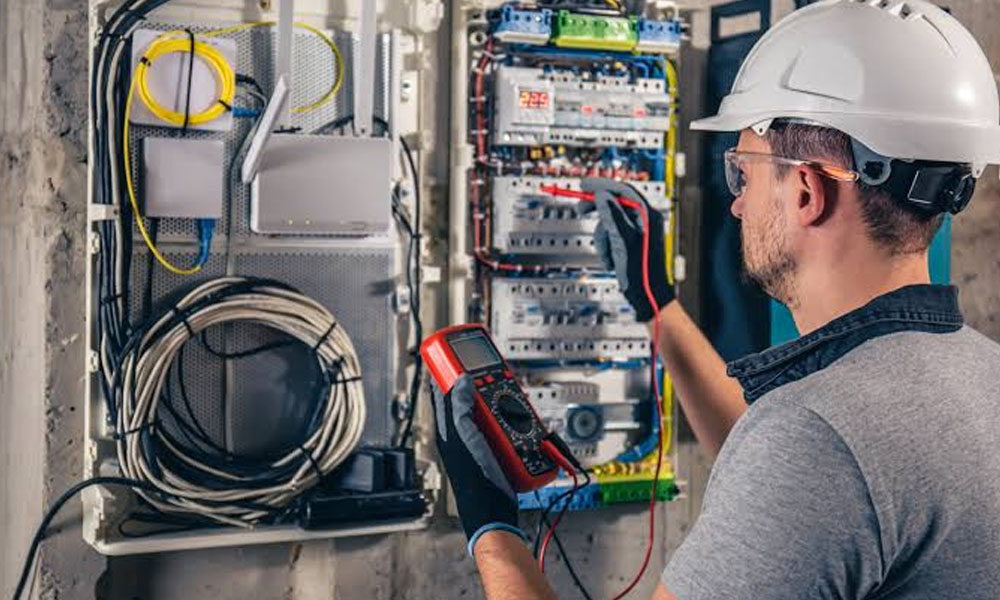
Electrical panels act as the central distribution point for all circuits in a home, making them a critical area for diagnosing hidden problems. Inspection of these panels involves examining breaker conditions, connection integrity, and load distribution across circuits. Any irregularity in how power is allocated can signal underlying issues elsewhere in the system. Circuit mapping techniques help trace how electricity flows from the panel to different areas of the home, revealing inconsistencies or overloaded sections. By understanding these pathways, it becomes easier to identify which parts of the system require further attention.
Detailed observation of panel behavior under varying conditions provides valuable insight into the overall health of the electrical infrastructure. Thermal and voltage analysis further enhances detection capabilities. This combined approach reduces diagnostic uncertainty and supports more reliable findings, especially in complex residential systems where multiple circuits frequently interact. Improving overall system clarity and safety outcomes.
7. Reliable Electrical System Insights
Hidden electrical problems in homes require careful evaluation because they often develop in areas that are not easily visible. Understanding how these issues are identified helps highlight the importance of structured observation and systematic testing across circuits, panels, and connected devices. By analyzing patterns such as voltage shifts, heat buildup, and irregular device behavior, it becomes possible to locate underlying faults before they escalate.
Consistent assessment supports safer and more reliable electrical performance throughout the home. This approach ensures that electrical systems remain stable, reducing unexpected disruptions and significantly improving long-term functionality and system reliability in residential environments.