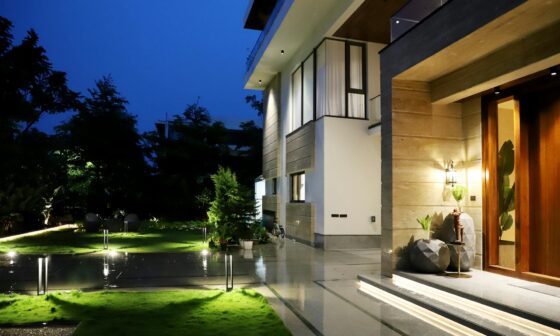
Transform your outdoor living area into a harmonious retreat by understanding the art of landscape design. This guide explores the fundamental differences and synergistic relationship between hardscaping and softscaping—essential components for any aesthetically pleasing and functional exterior. From paved pathways to vibrant plant beds, learn how to strike the perfect balance that enhances your home’s curb appeal, provides practical utility, and creates an inviting atmosphere for relaxation and entertainment.
The Foundation of Hardscaping
Hardscaping refers to the non-living, structural elements of a landscape. Think patios, walkways, retaining walls, driveways, decks, and outdoor structures. These elements form the backbone of any well-designed outdoor space, defining its shape and guiding how people move through it.
Defining Hardscaping Elements
At its core, hardscaping includes anything built from hard materials—stone, brick, concrete, wood, or metal. A stone pathway leading to a front door, a wooden deck overlooking a garden, a concrete retaining wall holding back a slope—these are all classic examples. Hardscaping establishes boundaries, adds structure, and provides surfaces for everyday outdoor activities.
The Practical Benefits of Hardscaping
Beyond aesthetics, hardscaping solves real problems. Retaining walls prevent soil erosion on sloped properties. Permeable pavers manage stormwater runoff. Patios and decks create usable living space in areas where grass simply wouldn’t survive heavy foot traffic. Properly installed hardscape features also require minimal upkeep, making them a low-maintenance investment over the long term.
Popular Hardscaping Materials
The material you choose sets the visual tone for your entire landscape. Natural stone—such as slate, limestone, and bluestone—offers timeless elegance and blends naturally with outdoor surroundings. Concrete is incredibly versatile, available in stamped, stained, or exposed aggregate finishes. Brick delivers a classic, warm aesthetic, while gravel and decomposed granite work well for informal pathways and ground cover. Each material comes with its own cost, durability, and maintenance considerations, so matching the right material to your climate and usage is key.
Embracing the Beauty of Softscaping
Where hardscaping provides structure, softscaping brings a landscape to life. Softscaping encompasses all living elements—plants, trees, shrubs, flowers, grass, and soil. It adds color, texture, movement, and seasonal change to an outdoor space.
Defining Softscaping Elements
Softscaping includes everything that grows. Lawns, garden beds, ornamental grasses, flowering perennials, shade trees, ground covers, and container plants all fall under this category. Even the soil and mulch used to support plant life are considered part of the softscape. Together, these living components create depth and natural beauty that no hard material can replicate.
The Aesthetic and Environmental Impact of Softscaping
A well-planned softscape does more than look beautiful. Trees provide shade, reducing cooling costs during warmer months. Native plants attract pollinators, supporting local ecosystems. Ground covers and mulch help retain soil moisture and reduce weed growth. Strategically placed shrubs can even act as natural privacy screens or wind barriers. Softscaping connects a property to the natural world in a way that makes the space feel alive and dynamic.
Choosing the Right Plants and Trees
Plant selection should be driven by your local climate, soil type, and available sunlight. Native species tend to thrive with less water and maintenance because they’re adapted to local conditions. Consider the mature size of trees and shrubs before planting—what starts as a small sapling can become a significant presence in five to ten years. Mixing evergreens with seasonal bloomers ensures year-round visual interest, while layering plants of different heights creates a sense of depth and dimension.
Achieving Harmony: Integrating Hardscaping and Softscaping
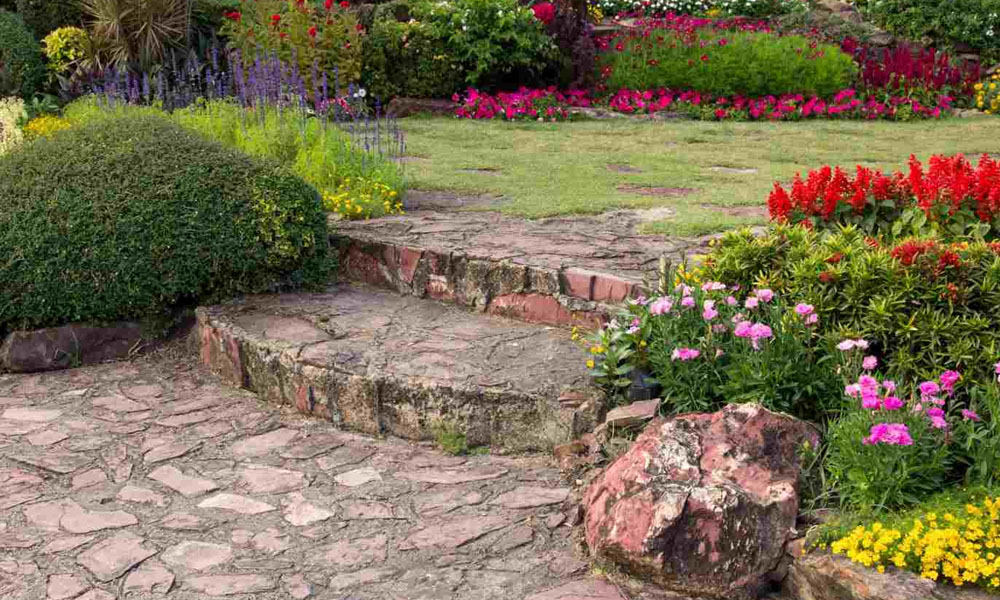
The most successful landscapes don’t treat hardscaping and softscaping as separate disciplines—they weave them together intentionally. A patio surrounded by lush garden beds, a stone pathway lined with low-growing ground cover, or a timber pergola draped in climbing vines all demonstrate how structure and nature can coexist beautifully.
Design Principles for a Balanced Landscape
Balance doesn’t mean equal proportions—it means thoughtful proportion. A yard dominated entirely by hardscape can feel cold and uninviting, while one overrun with unchecked plant growth may look chaotic. The goal is to let each element complement the other. Use hardscape features to anchor the design and softscape plantings to soften edges, add color, and create visual transitions between spaces.
Creating Focal Points and Flow
Every great landscape has focal points—areas that draw the eye and invite exploration. A water feature surrounded by ornamental grasses, a sculptural tree rising above a bed of decorative landscape rocks in Salt Lake City, or a bold flowering shrub positioned at the end of a walkway can all serve this purpose. Flow is equally important. Pathways and edges should guide visitors naturally through the space, creating a sense of discovery without confusion.
Considering Climate and Maintenance
Design with your local climate in mind. In arid regions, xeriscaping—using drought-tolerant plants alongside gravel and stone hardscaping—minimizes water use while maintaining visual appeal. In wetter climates, drainage becomes a priority, making permeable paving and raised garden beds particularly valuable. Think about the long-term maintenance commitment of every element you include. Beautiful is only sustainable if it remains manageable.
Budgeting and Planning Your Landscape Project
A well-designed landscape is an investment, and like any investment, it benefits from careful planning before spending begins.
Setting Realistic Expectations
Landscape projects often exceed initial budget estimates when unexpected site conditions arise—poor soil, drainage issues, or underground utilities can all add costs. Building a contingency of 10–15% into your budget provides a buffer. It also helps to phase the project, completing hardscape work first since it often requires heavy equipment and construction, then layering in softscape elements once the structural work is done.
Prioritizing Your Landscape Investments
Not all features deliver equal value. Functional improvements—like a patio, walkway, or retaining wall—tend to offer stronger returns on investment than purely decorative elements. Shade trees are another high-value addition; mature trees can meaningfully increase property value while reducing energy costs. Prioritize elements that improve how you use the space daily, and treat purely ornamental additions as secondary.
Working with Professionals
For complex projects, consulting a licensed landscape architect or designer is worth the upfront cost. Professionals bring knowledge of local building codes, drainage requirements, and plant hardiness zones that can prevent costly mistakes. For smaller projects, a landscape contractor or nursery expert can offer practical guidance on materials, plant selection, and installation best practices.
Enhancing Outdoor Living with Purpose
The most meaningful landscapes are designed around how people actually live—not just how a space looks in photographs.
Designing for Functionality and Enjoyment
Consider how you intend to use your outdoor space. Families with children need durable, open areas for play. Those who entertain frequently benefit from a large, level patio with easy kitchen access. Gardeners want raised beds and ample sun. Starting with function and layering in aesthetics ensures the final result is one you’ll actually enjoy using every day.
Personalizing Your Outdoor Space
Personal style should guide your material and plant choices. A modern aesthetic calls for clean lines, geometric shapes, and a restrained plant palette. A cottage-style garden leans into loose, abundant plantings with curved pathways and natural stone. Mediterranean-inspired landscapes use terracotta, gravel, and drought-tolerant herbs. Whatever your style, consistency across hardscape materials and plant choices creates a cohesive, intentional look.
Long-Term Value and Sustainability
Sustainability is no longer optional—it’s a design standard. Choosing native plants, installing efficient irrigation systems, using recycled or locally sourced materials, and designing for water management all reduce environmental impact while lowering long-term maintenance costs. A sustainable landscape also tends to age more gracefully, requiring less intervention as plants mature and settle into their environment.
Conclusion
Mastering the balance between hardscaping and softscaping is key to unlocking the full potential of your outdoor environment. By thoughtfully integrating durable structures with dynamic plant life, you can create a landscape that is visually stunning, functional, and sustainable. This deliberate approach ensures your outdoor space reflects your personal style while adapting to your practical needs and the surrounding ecosystem—a true extension of your home where every element contributes to a cohesive and inviting outdoor experience.