Children today spend more time indoors than ever before. Between school schedules, television, video games, and mobile devices, many kids have fewer opportunities to experience nature in meaningful ways. Because of this, parents are increasingly searching for activities that encourage outdoor exploration, learning, and family interaction away from screens.
Wildlife attractions and outdoor animal experiences have become popular choices for families looking to reconnect with nature. These activities allow children to see animals up close, explore natural environments, and learn through direct experiences rather than only through books or videos. Outdoor adventures often create stronger emotional connections and leave lasting impressions that children remember for years.
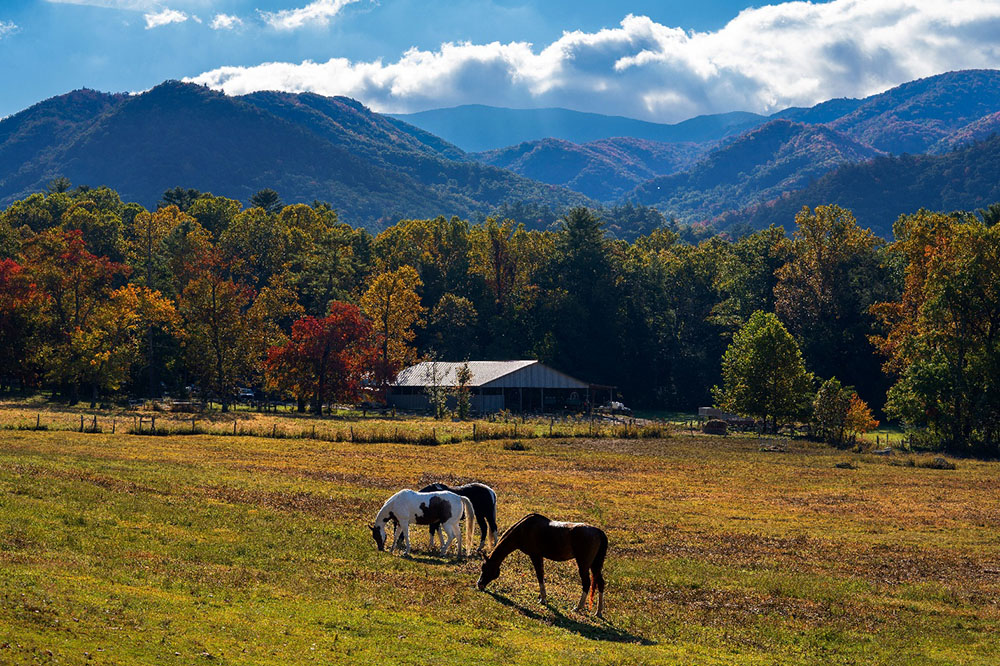
Tennessee has become one of the favorite destinations for families seeking nature-focused experiences, especially around the Smoky Mountain region. The area offers scenic landscapes, outdoor recreation, and interactive attractions designed for visitors of all ages. Wildlife encounters, safari rides, and nature-based activities provide children with opportunities to become more curious about animals, conservation, and the environment while enjoying a memorable time with their families outdoors.
Why Wildlife Experiences Create Lasting Learning Opportunities for Kids
Children often learn best when they can actively participate in an experience rather than simply reading or listening about it. Wildlife attractions create hands-on learning opportunities that help kids understand animals, habitats, and nature in a more engaging and memorable way.
Many families visiting the Smoky Mountain region enjoy exploring attractions featuring Tennessee animals because these experiences allow children to observe wildlife up close while learning about outdoor environments and regional animal habitats. SkyLand Ranch offers safari hayride experiences where visitors can see a variety of animals while enjoying scenic mountain surroundings and family-friendly outdoor activities designed to make learning both fun and interactive.
Seeing animals in person often creates a stronger emotional connection for children than watching documentaries or reading textbooks. Kids become naturally curious when they can observe animal behavior, movement, sounds, and interactions in real-life settings. These experiences encourage questions, conversations, and a deeper interest in the natural world.
Interactive attractions such as safari rides, feeding encounters, and guided tours also help children stay engaged throughout the experience. Instead of feeling like a formal lesson, outdoor wildlife activities feel exciting and entertaining while still providing educational value.
Parents also benefit from these experiences because they create opportunities for meaningful family conversations. Children often continue discussing the animals and what they learned long after the trip is over. These moments can help strengthen a child’s long-term interest in nature, wildlife, and environmental awareness.
Outdoor Animal Experiences Encourage Curiosity and Exploration
Wildlife experiences naturally encourage children to become more curious about the world around them. When kids see animals up close, they often begin asking questions about how animals live, what they eat, where they sleep, and how they survive in different environments.
This curiosity is an important part of learning. Outdoor animal experiences introduce children to topics such as habitats, ecosystems, food chains, and conservation in ways that feel exciting and easy to understand. Instead of learning through memorization, children learn through observation and personal experience.
Outdoor learning also activates multiple senses at once. Children hear animal sounds, see movement, feel outdoor environments, and interact with nature directly. This type of sensory learning often helps information become more memorable and meaningful.
Nature-based activities also encourage exploration and discovery. Kids become more interested in observing birds, plants, insects, and other parts of the natural environment around them. Even simple outdoor experiences can help children develop a stronger appreciation for nature and wildlife.
These experiences can inspire lifelong interests as well. Some children develop hobbies related to animals, conservation, photography, or outdoor recreation after positive wildlife encounters during family trips or educational outings.
The Benefits of Spending Time Outdoors as a Family
Outdoor activities provide important physical and emotional benefits for both children and adults. Spending time outside encourages movement, reduces screen time, and creates opportunities for families to enjoy shared experiences together.
Children who participate in outdoor activities often become more physically active. Walking through nature attractions, participating in safari rides, and exploring outdoor spaces encourage movement and exercise in a natural and enjoyable way.
Outdoor environments can also help reduce stress and improve mood. Fresh air, natural scenery, and time away from daily routines often help families feel more relaxed and connected during trips. These positive experiences contribute to emotional well-being for both parents and children.
Wildlife attractions also create opportunities for family bonding. Shared moments such as seeing animals together, taking photos, or participating in outdoor activities help families create meaningful memories that last long after the trip ends.
Balancing entertainment with outdoor exploration is especially important today as many families look for healthier ways to spend time together. Wildlife experiences provide both fun and educational value while encouraging children to appreciate the outdoors in a positive way.
How Wildlife Attractions Support Environmental Awareness in Children
One of the most valuable aspects of wildlife experiences is how they help children develop environmental awareness from an early age. Seeing animals in natural or carefully maintained environments helps children understand the importance of protecting wildlife and preserving habitats.
Many wildlife attractions include educational information about animal care, conservation efforts, and environmental responsibility. These lessons help children understand how human actions can affect animals and ecosystems.
Children who are exposed to nature regularly are often more likely to develop respect for the environment as they grow older. Learning about wildlife conservation through real experiences makes these topics easier to understand and more personally meaningful.
Outdoor attractions also help children recognize the importance of caring for animals responsibly. Observing how animals are fed, protected, and cared for encourages empathy and respect for living creatures.
Environmental education becomes much more engaging when children can connect lessons with real experiences. Instead of hearing abstract concepts, they can see firsthand why habitats, clean environments, and conservation efforts matter.
As environmental concerns continue growing worldwide, helping children build stronger connections with nature may encourage future generations to care more deeply about protecting wildlife and outdoor spaces.
Wildlife experiences play an important role in helping children connect with nature in meaningful and memorable ways. Through hands-on learning, outdoor exploration, and interactive animal encounters, kids develop curiosity, environmental awareness, and a deeper appreciation for the natural world.
These experiences also provide important benefits for families by encouraging outdoor activity, reducing screen time, and creating opportunities for shared adventures and lasting memories. Wildlife attractions combine education and entertainment in ways that feel engaging and enjoyable for visitors of all ages.
As more families search for activities that support learning, connection, and outdoor exploration, wildlife-focused experiences will continue to grow in value. In today’s increasingly digital world, helping children build stronger relationships with nature may be more important than ever.