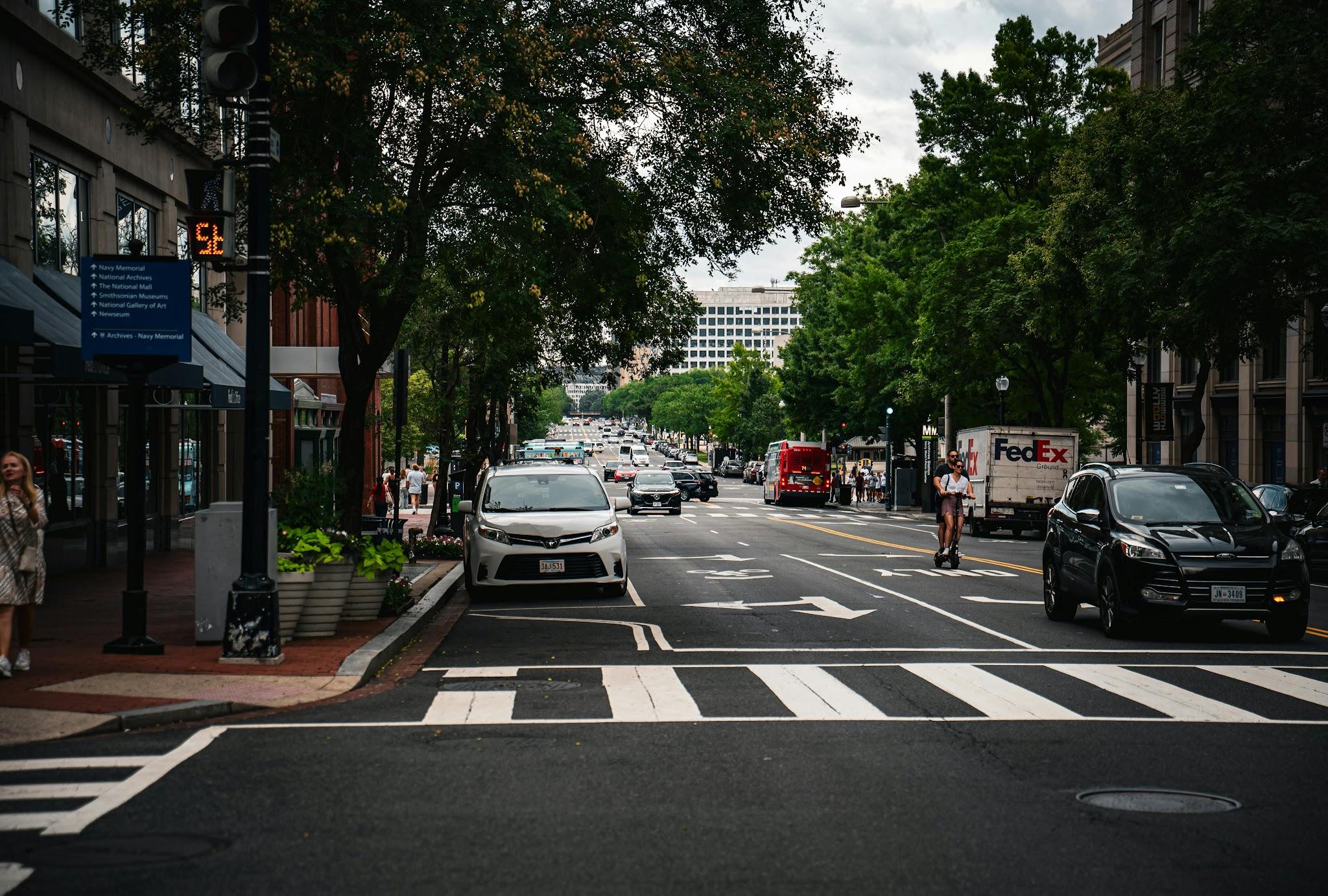
Rising fuel costs and endless traffic jams have made the standard morning drive a source of daily frustration.
The cost of congestion adds up to nearly $750 for every commuter in the United States annually.
Shifting toward compact transportation for errands and short commutes offers a highly effective way to reclaim that lost time and money.
Applying these scooter commuting tips helps riders bypass gridlock, offering a practical and increasingly popular lifestyle upgrade.
1. Pick the Right Trip Distance for Scooter Success
Evaluating your route is the first step toward a better ride. The sweet spot for compact transportation involves routes under 10 miles on roads with speed limits between 25 and 45 mph.
Map your actual daily drive and look for side streets, quiet residential corridors, and low-speed roads you might normally skip in a car.
Matching the vehicle to the route is crucial for creating a beginner scooter checklist. A 50cc engine suits very short and low-speed neighborhood hops, while a 150cc model handles slightly longer stretches with much more confidence.
For readers actively comparing affordable options, exploring a reliable moped from NTX Power Sports provides a practical starting point for building out this budget.
Looking at established dealers alongside local listings ensures you find vehicles with consistent parts support.
Consider Marcus, a graphic designer in suburban Dallas. He routinely faced a 30-minute car crawl for a commute that was only four miles long.
By mapping a back-street route on his scooter, he cut that trip down to a breezy 12 minutes, eliminating parking drama, fuel stops, and daily stress.
If your workplace route stays under 45 mph and clocks in under 10 miles, you are in the perfect position to make the switch.
| Key Insight: The best commuter route isn’t always the shortest. It is the one that keeps you under 45 mph and away from heavy car traffic. |
2. Know the Rules for Street Legality and Licensing
Navigating local laws does not have to be intimidating when transitioning to smaller vehicles. In many states, engines that are 50cc and under only require a standard driver’s license to operate.
However, if the vehicle is larger than 50cc, you must secure a motorcycle endorsement before hitting the road.
You can quickly verify your local requirements by checking your state’s DMV website using search terms like motor-driven cycle or street-legal moped.
When evaluating vehicles, look for C.A.R.B.-approved models to ensure compliance. If a unit meets California’s strict emissions and safety standards, it generally registers cleanly in most other states without additional administrative hurdles.
It is also wise to steer clear of anonymous online sellers who skip proper VIN documentation and clear title transfers.
Dealing with missing paperwork creates massive registration headaches that easily negate the upfront financial benefits of an affordable commuter scooter.
Always insist on proper documentation from the moment of purchase to guarantee street legality. Having all your forms in order makes the eventual DMV visit a simple and painless process.
3. Budget for Fuel, Maintenance, and the Real Cost of Commuting
A fuel-saving scooter radically changes your monthly transportation budget, but you need accurate numbers to plan correctly.
Gas models regularly deliver 80 to 100 mpg, meaning a 20-mile daily round trip might cost less than a single dollar in fuel.
Traffic delays add an additional annual cost of roughly $820 per commuter, alongside 38 extra hours spent sitting on the road. Electric models operate on mere pennies per charge, requiring no oil changes or spark plugs.
For gas models, maintenance is highly accessible and straightforward for new riders. Simply check tire pressure weekly, monitor belt tension, and change the oil every few months to keep the vehicle running smoothly.
To avoid sticker shock, build a realistic checklist that includes the vehicle’s purchase price, a helmet, a sturdy disc lock, and a basic tool kit.
Once you calculate the total cost, compare it against car depreciation, heavy insurance premiums, paid parking, and daily gas station stops.
The lean and predictable expense of a moped for city travel quickly proves its financial worth.
By factoring in both time saved and fuel eliminated, the investment often pays for itself within the first year.
| Pro Tip: Compare your scooter’s monthly fuel and parking total to just one week of car payments, insurance, and garage fees. The difference is immediate. |
4. Gear Up and Stash It for Safety and Storage
Organizing your gear and logistics ensures your daily routine remains seamless and safe.
Your non-negotiable safety gear includes a DOT-approved helmet with a snug fit, an abrasion-resistant jacket or riding shirt, durable gloves, and sturdy closed-toe footwear.
For early-morning or evening commutes, add a reflective vest or high-visibility layer to ensure you are seen in traffic.
When arriving at work, utilize smart scooter parking tips by securing a disc lock or heavy-duty chain to an immovable object.
It is also worth asking your employer if dedicated motorcycle parking is available, as many workplaces offer it without actively advertising the perk.
For home storage in an open carport or driveway, combine a weatherproof cover with a heavy ground anchor.
Finally, streamline your daily carrying capacity for maximum convenience. Utilize under-seat storage or bolt on a top case to stash your helmet safely during the day.
A structured backpack handles your laptop, while a handlebar phone mount paired with a USB charger keeps your navigation running smoothly on longer days.
Small Changes, Big Freedom
Take a moment to mentally ride your daily route and evaluate your comfort level. Notice the intersections where a car feels like overkill and a smaller vehicle would feel completely free.
These compact commuting strategies work best when they genuinely fit your actual life, route, and parking situation.
You can start with a low-pressure approach by running solo weekend errands first. Once the rhythm feels natural, graduate to commuting a few days a week to test the waters.
Small transportation changes compound quickly, turning fuel savings and parking ease into genuine daily enjoyment.
When you are ready to make the switch, thoroughly research commuter-ready scooters and mopeds that fit your specific needs.
Finding a practical and reliable machine built for the everyday journey makes all the difference.
By taking the time to match the right vehicle to your daily lifestyle, you unlock a completely new level of commuter freedom.
| Author Profile: NTX Power Sports is a leading provider of affordable powersports vehicles for riders and adventure seekers across the U.S., delivering to all states except Alaska and Hawaii. |