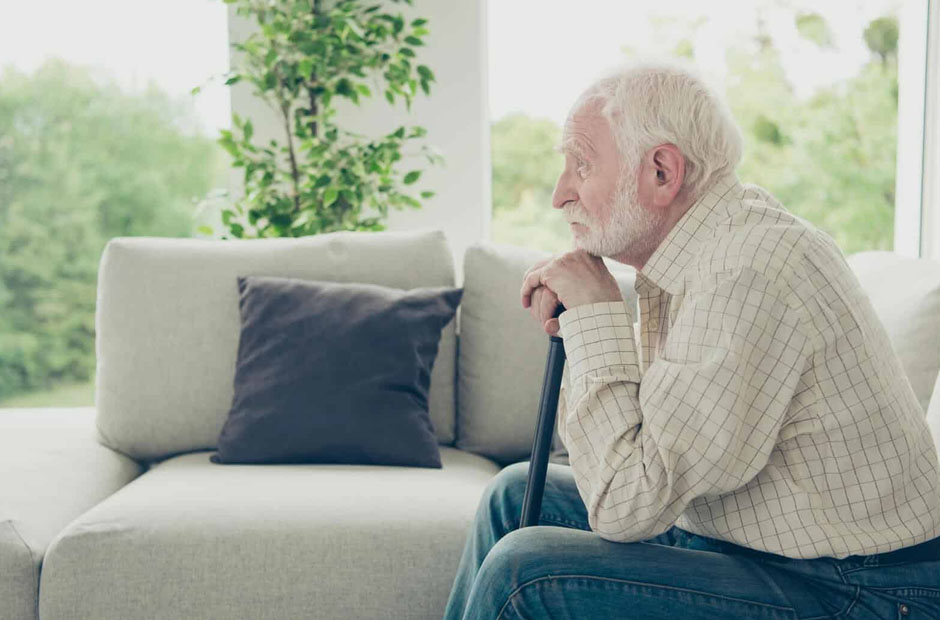
Isolation in older people isn’t a ‘nice to have’ or a ‘shouldn’t we do something about that when we have time’. Our bodies exist in an ecosystem; they always did. That ecosystem includes regular, meaningful social contact and particular types of human touch. As we age, we sometimes end up outliving friends and family. It’s a double blow. It’s not just the distressing emotional loss, but the fact that it physically makes us less robust and more prone to all sorts of medical conditions.
The Safety Gap Nobody Talks About
Living alone results in a safety net fraying, the period in time between the situation turns bad and another person notices. A forgotten medicine, a collapse in the washroom, an unexpected cognitive decline. Such an occurrence is easily identified early in a senior with family close by or a caregiver. However, if that senior lives alone, the same occurrence can go unaddressed for many hours.
Falls are a significant and illustrative example. The more likely a senior is to be living alone, the more likely they are to be sedentary. And sedentary leads to rapid progress in the loss of muscle balance. Without somebody regularly observing their functional balance, small deficits are not being noticed till an emergency occurs.
But the safety gap isn’t limited to physical safety. The entire handling of activities of daily life is more dangerous when there is no companion next door. Bathing, eating or managing prescriptions are all more hazardous if no one else is home.
Professional Support As A Tool For Independence
Many family caregivers are doing the best they can to stay ahead of troubles, but they are not experts on human behavior or the subtle signs that things may be starting to go wrong. A companion does many things that a family caregiver doesn’t have time to do. They play cards and tell stories, go walking, shopping, participate in day-to-day activities with their clients, and become their friends.
For families navigating this in the Lehigh Valley area, home care Allentown PA services provide the kind of structured, regular contact that addresses isolation as a clinical risk factor – not just as a scheduling concern. Companion care models are specifically built around social engagement alongside safety monitoring. A caregiver present several days a week isn’t just a safety net. They’re the consistent human contact that regulates sleep, encourages eating, supports mobility, and catches the early signs of decline.
An hour of professional supervision in their own home is almost always worth a week or more in the hospital. Long before anyone can quantify the cost of checking on a neighbor, we can all see the value.
Social Interaction As Brain Exercise
Research in the field of geriatrics has revealed a connection between cognitive decline and isolation. Interacting with other people requires attention, processing language, emotional regulation, and memory – in essence, it engages almost all cognitive faculties at the same time. When this stimulation is lacking, the brain doesn’t stay idle, it deteriorates faster.
An almost 50% increase in the risk of dementia and a 29% increase in the risk of heart disease have been linked to social isolation by the National Academies of Sciences, Engineering, and Medicine. These numbers are similar to the risk factors for obesity or smoking, yet isolation isn’t taken as seriously from a clinical perspective.
Spending regular time with caregivers, family members, or the community over multiple generations seems to be one of the most effective ways of protecting oneself from cognitive decline. This isn’t some vague benefit, this is like going to the gym for your brain.
What Isolation Does To Nutrition
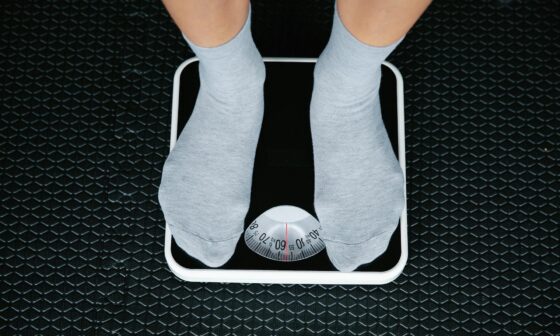
A phenomenon known as “tea and toast syndrome” often sets in with elderly caregiving. When seniors no longer share meals with others, their appetites tend to wane. Few caregivers bother to cook a proper meal for just one person. The social cues that normally regulate our eating habits – conversation, shared preparation, the mere fact of having a meal together – disappear. What’s left is a cycle of minimal eating, unintended weight loss, and the nutrient deficiencies that drive even less appetite and further weight loss.
Malnutrition in older adults multiplies nearly every other health risk. It undermines wound healing, immune response, cognitive function, and overall energy levels; it lowers the effects of medication used to manage common diseases in the elderly, such as heart disease and diabetes; and it raises the risk of getting sick in the first place.
Still, malnutrition will remain invisible until it becomes severe. A spouse or family who calls and checks in may have no idea that their parent has gone days consuming nothing but a single cup of yogurt or a bowl of cereal. A caregiver who is there at mealtimes will know.
Treating Isolation With The Urgency It Deserves
Families tend to underplay isolation because there is no drama to it. No hospital trip, no broken arm. It arrives insidiously: sleep cycles changing, food less appetizing, blood pressure rising, thought processes shrinking. The correct response is not simply greater vigilance. It is to establish a steady, dependable human connection in the week of an elderly individual.
This is what skilled care actually does and is something that must be arranged long before it becomes an inevitability.