House battery backup is changing emergency power by giving homeowners a quieter, faster, and more practical way to stay protected during outages. Instead of relying only on fuel-powered generators, many households now want stored electricity that responds automatically and fits into daily energy use. A modern battery system can support essential appliances, improve resilience during grid failures, and work alongside solar for added independence. That combination of backup protection and smarter energy management is why house battery backup is becoming a preferred solution for emergency preparedness at home.
Why House Battery Backup Is Replacing Traditional Backup Options
Provides Quiet and Cleaner Emergency Power
House battery backup offers a major advantage over traditional fuel-based systems by supplying power without the constant engine noise, exhaust fumes, or on-site combustion. That makes it more comfortable for families during long outages and better suited to neighborhoods where noise and air quality matter. Because batteries deliver stored electricity directly, they also create a cleaner indoor-outdoor experience during emergencies. For homeowners who want dependable backup without the disruption of a loud machine running nearby, battery systems present a more practical emergency power option.
Delivers Faster Backup During Unexpected Outages
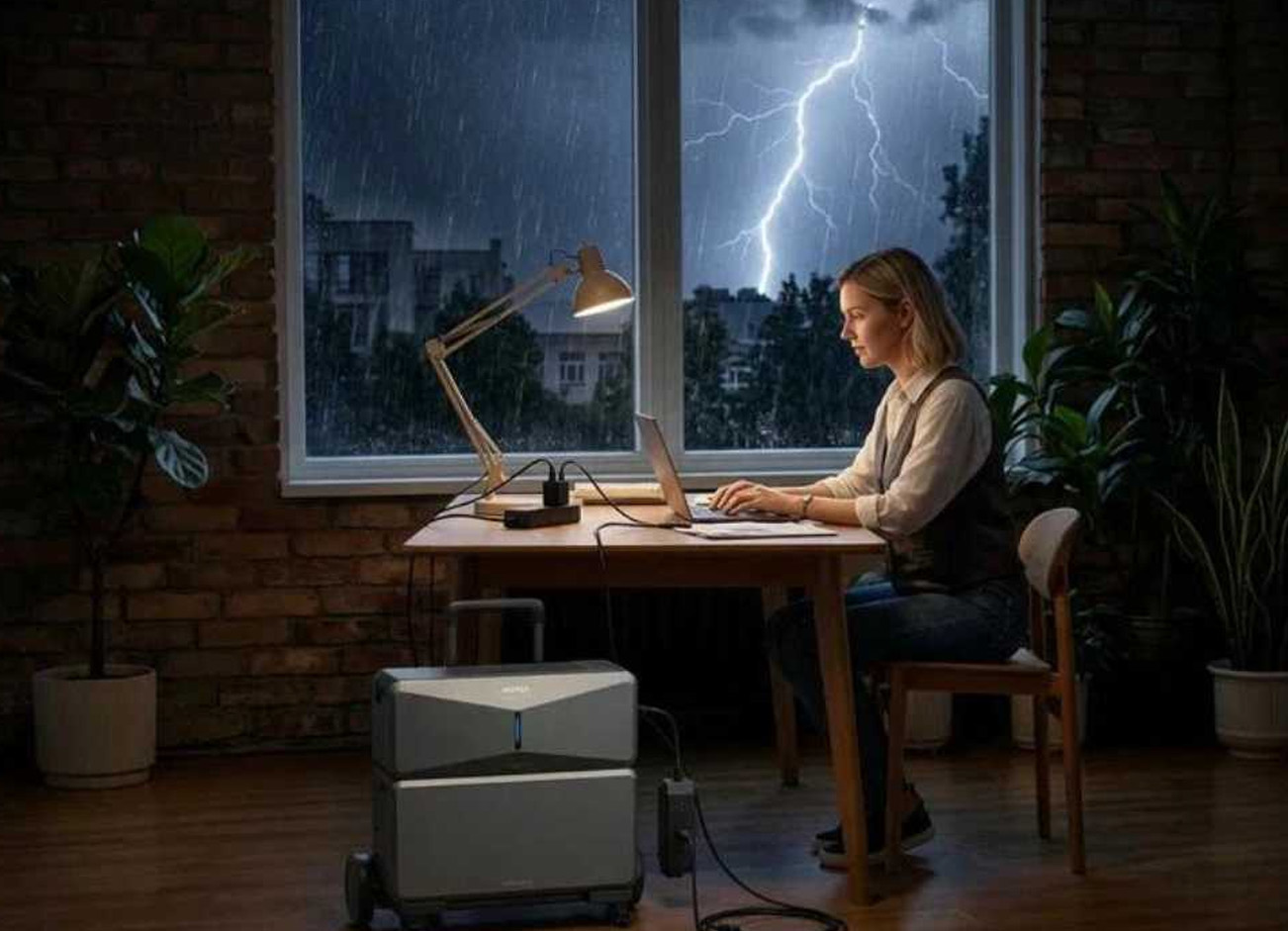
Speed matters during an outage, especially when lights, internet equipment, refrigeration, or medical devices need continuous power. House battery backup systems can switch over automatically, helping reduce interruption when the grid suddenly fails. Unlike manual backup methods that require setup time, a battery system is designed to respond almost immediately. That fast transition helps protect comfort, safety, and routine household functions. For homeowners, the benefit is simple: emergency power becomes available sooner, with less effort and less disruption during stressful moments.
Reduces Maintenance and Fuel Management Needs
Traditional backup equipment often requires regular engine servicing, fuel storage, refueling plans, and routine testing to ensure reliable operation. House battery backup reduces much of that burden because it does not depend on combustion or gasoline deliveries during an emergency. Homeowners can avoid concerns about stale fuel, difficult startup conditions, or supply shortages during severe weather. With fewer moving parts and less hands-on upkeep, battery systems fit more easily into everyday life. That lower maintenance profile is one reason many households are moving away from generator-only strategies.
How House Battery Backup Improves Energy Resilience
Stores Power for Use When the Grid Fails
A house battery backup system strengthens energy resilience by storing electricity ahead of time and releasing it when utility service stops. That stored power gives the home a built-in reserve, allowing critical circuits to keep operating instead of going dark immediately. During storms, grid instability, or local outages, the battery becomes a dependable bridge between normal service and emergency needs. This capability improves preparedness because homeowners are not waiting for external fuel deliveries or manual intervention. The result is a more stable and responsive backup power strategy.
Keeps Essential Home Devices Running Longer
Battery backup helps households prioritize what matters most during an outage, such as refrigeration, lighting, communications, security systems, and selected outlets. By supporting essential loads instead of trying to run every device at once, stored energy can last longer and serve the most important needs first. This selective approach improves comfort and safety while reducing waste. Homeowners gain more control over outage planning because they can match battery use to daily priorities. That makes emergency power more efficient, practical, and useful during extended disruptions.
Supports Solar Energy for Greater Independence
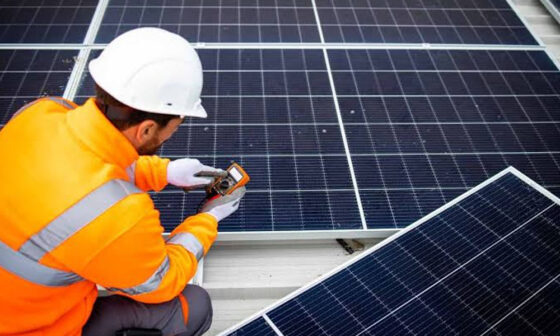
When paired with solar, house battery backup becomes more than an outage solution; it also supports greater energy independence. Solar panels can produce electricity during daylight hours, and the battery can store that energy for later use at night or during grid failures. This setup helps households rely less on the utility and make better use of the energy they generate on-site. It also adds resilience during longer outages, since stored solar power can extend backup capability and improve confidence in emergency preparedness.
What Makes a Modern Battery Backup System More Practical
Offers Flexible Capacity for Different Home Sizes
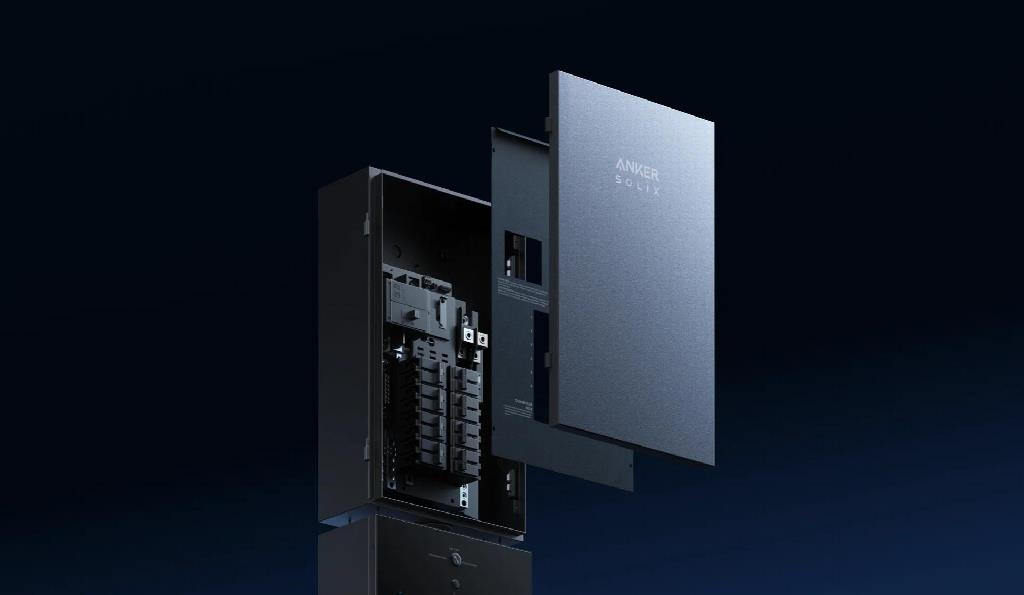
Modern battery backup systems are more practical because they can scale to match different household demands instead of forcing a one-size-fits-all setup. For example, Anker SOLIX E10 scales from 6 kWh to 90 kWh, allowing homeowners to size backup around essential loads or broader whole-home needs. An E10 configuration with Power Dock also provides 120V/240V split-phase output and automatic switchover in up to 20 ms. Those features make battery backup easier to tailor for apartments, family homes, and larger properties alike.
Enables Smarter Energy Monitoring and Control
A modern house battery backup system does more than hold stored electricity; it also helps homeowners manage energy more intelligently. Built-in monitoring and control tools can show how much power is available, which circuits are using the most energy, and how backup reserves are performing during an outage. That visibility supports better decisions about when to conserve, when to shift usage, and how to prepare for extended downtime. Smarter control turns emergency power from a passive safeguard into an active part of household energy planning.
Adapts to Changing Household Power Needs
Household energy needs rarely stay fixed. Families add appliances, work-from-home equipment, electric cooking, or new comfort systems over time, and backup planning needs to keep pace. A modern battery backup system is practical because it can align with those changes more easily than rigid emergency setups. Homeowners can build around current priorities while preserving room for future expansion or revised load management. That adaptability makes battery backup a stronger long-term investment, since the system can continue supporting the home as daily power demands evolve.
Conclusion
House battery backup is changing emergency power because it combines reliable outage protection with quieter operation, lower maintenance, and smarter energy management. It helps homes respond faster to grid failures, keep essential devices running, and make better use of solar energy when available. Modern systems also offer scalable capacity and improved control, making them practical for a wide range of households. For homeowners seeking a more resilient and user-friendly backup strategy, battery storage has become a clear step forward.